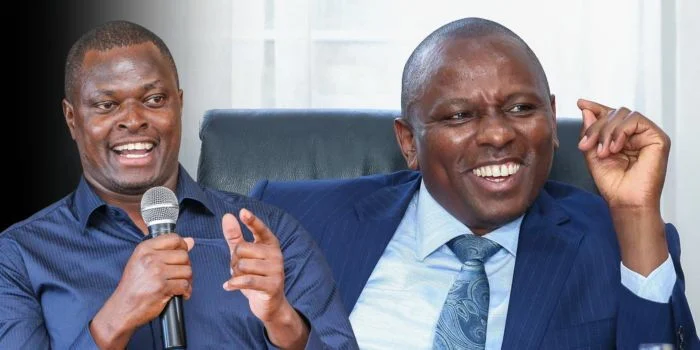
Suits, Ties, and Lies? Ndindi Nyoro Tears Into Government’s “Stabilized Economy” Claims

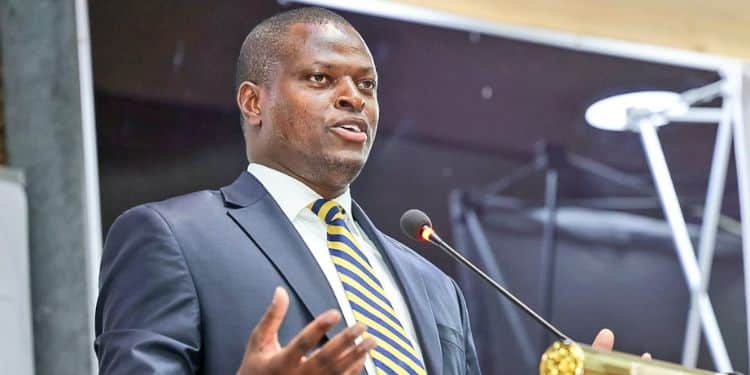
The halls of the National Assembly witnessed a rare moment of intra-government friction as Kiharu MP Ndindi Nyoro launched a blistering critique of the National Treasury’s current economic trajectory. In a session that has since gone viral, Nyoro—who traditionally chairs the powerful Budget and Appropriations Committee—did not mince words, accusing government officials of wearing “suits and ties” while peddling a false narrative of economic stability to the Kenyan public. He argued that the current borrowing patterns have effectively turned the country’s economy into a high-stakes “Ponzi scheme” that relies on continuous domestic borrowing to stay afloat.
The core of Nyoro’s argument rests on a staggering figure: Kenya is now borrowing approximately KSh 4 billion every single day. He challenged the National Treasury to prove the economy’s “stability” by going just two months without domestic borrowing, predicting that the state would be unable to even meet its basic obligation of paying civil servant salaries. This “liquidity trap,” according to Nyoro, is the result of an unsustainable appetite for debt that has seen the national tally jump from KSh 8.7 trillion to over KSh 12.5 trillion in just three years—a pace of KSh 1.2 trillion annually.
Perhaps most concerning was Nyoro’s expose on what he termed “off-book” or “audience” loans. He alleged that massive projects—including the construction of the Talanta Sports City Stadium, road sectors, and even the Bomas of Kenya—are being funded through securitization and specialized funds to keep them hidden from the main national debt registry. By keeping these debts “under the radar,” Nyoro argues the government is avoiding the strict transparency requirements of international lenders like the IMF, choosing instead to borrow domestically at double-digit interest rates while leaving cheaper 3% international money on the table.
The MP warned that this “domestic-heavy” strategy is currently crowding out the private sector, as banks and pension funds like the NSSF are pressured to funnel resources into government bonds rather than lending to small businesses. Comparing Kenya’s current path to the economic collapses seen in Sri Lanka and Ghana, Nyoro urged a return to genuine fiscal accountability. As the 2027 political cycle begins to warm up, this public “friendly fire” from within the ruling coalition suggests that the economy remains the ultimate battlefield for Kenya’s leadership.