
Over 4,000 Families Flee Kenya’s Rising Lake Naivasha (VIDEO)

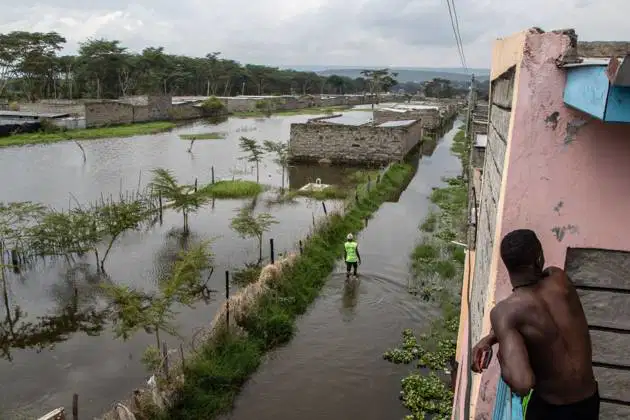
The calm waters of Lake Naivasha, a jewel of Kenya’s Rift Valley, have turned into a source of humanitarian disaster. Unrelenting heavy rains since early 2025 have caused the lake’s water levels to surge dramatically, triggering a silent but devastating crisis that has displaced more than 4,000 families.
In communities like Kihoto, the disaster isn’t abstract—it’s immediate and life-altering. Homes, essential farmlands, and even schools have been submerged, stripping thousands of people of their livelihoods and security. This is a crisis of displacement, leaving vulnerable families exposed and desperately in need of aid, shelter, and basic resources. The flooding has wiped out sources of income, compounding the economic hardship faced by these already marginalized communities.
While high rainfall is the immediate cause, experts point to a dangerous combination of human actions and global trends that have amplified the disaster:
- Environmental Degradation: Extensive upstream deforestation and unsustainable agricultural water use have compromised the ecosystem’s ability to manage water runoff, accelerating the speed and severity of the flooding.
- Climate Change Link: The cyclical, extreme weather patterns affecting Lake Naivasha and its counterparts—Lakes Baringo, Turkana, Nakuru, and Bogoria—are increasingly linked to the global climate crisis. This suggests that these extreme events are becoming the new norm, not just temporary setbacks.
As these interconnected lakes rise, vital grazing lands are also disappearing, threatening the existence of pastoral communities across the Rift Valley.
Local leaders are issuing urgent pleas for intervention as weather forecasts predict more rain through November 10. The priority now is not just managing the current displacement but addressing the systemic failures that made it inevitable.
The calls to the Kenyan government are clear:
- Immediate Aid: Provide humanitarian relief, temporary shelter, and food security for the displaced families.
- Relocation: Implement organized and safe relocation strategies for communities trapped in flood-prone zones.
- Compensation: Establish a process for compensation to help families rebuild the lives and businesses lost to the water.
This event is a stark reminder that the environmental crisis is, fundamentally, a human crisis. The resilience of the Rift Valley communities depends entirely on a coordinated, long-term response to both the immediate tragedy and the underlying causes of climate vulnerability.