
7% of GDP Wasted: World Bank Exposes the Shocking Cost of State Incompetence

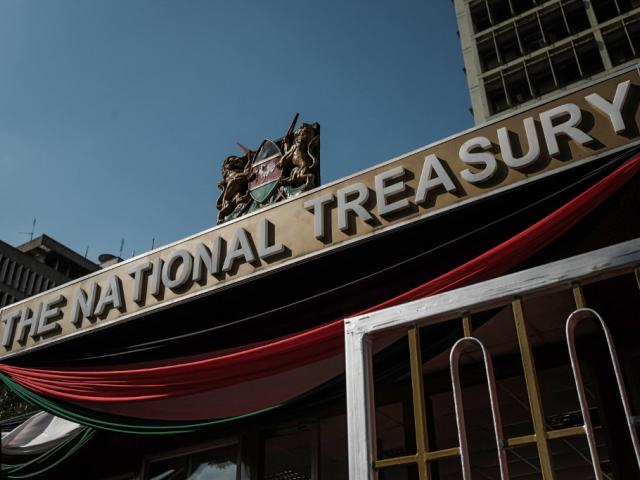
In a damning indictment of fiscal mismanagement that should alarm every policymaker in Nairobi, a joint report by the World Bank and the Competition Authority of Kenya has laid bare the staggering cost of sustaining the country’s bloated public sector. The revelation that Kenyan taxpayers are forking out over Ksh 1 trillion annually to prop up more than 200 under-performing State-owned enterprises (SOEs) is not just a statistic; it is a political scandal. This massive financial hemorrhage represents a burden equivalent to 7% of the country’s GDP, money that is effectively being incinerated through endless subsidies, bailouts, debt write-offs, and government-backed loans. Instead of driving development, these “zombie” firms are draining the national coffers, keeping loss-making entities on life support while the average citizen grapples with the rising cost of living.
The political implications of this report are profound, exposing deep-seated structural rot in critical sectors such as energy, sugar, transport, and fertilizer distribution. The report details a landscape of chronic inefficiency where these entities operate with abysmal productivity yet continue to survive by exploiting financing advantages denied to the private sector. By continuing to funnel public funds into these failing institutions, the state is actively suppressing formal job creation and distorting the market. Private investors, who could bring efficiency and innovation, are being crowded out by state monopolies that have no incentive to perform because they know the Treasury—and by extension, the taxpayer—will always bail them out.
Ultimately, this report serves as a harsh wake-up call regarding Kenya’s economic competitiveness on the global stage. The mounting losses incurred by these parastatals are eroding fiscal resources that should be directed toward healthcare, education, and infrastructure. The continued protection of these inefficiencies suggests a lack of political will to implement necessary, albeit painful, reforms. If the government is serious about economic recovery and fiscal consolidation, it must dismantle the culture of state-sponsored waste. Continuing to shield these 200 failing entities is not just bad economics; it is a betrayal of the public trust that undermines the very foundation of Kenya’s future prosperity.