Why Kenyan Governors are Boycotting the Senate “Soko Huru”

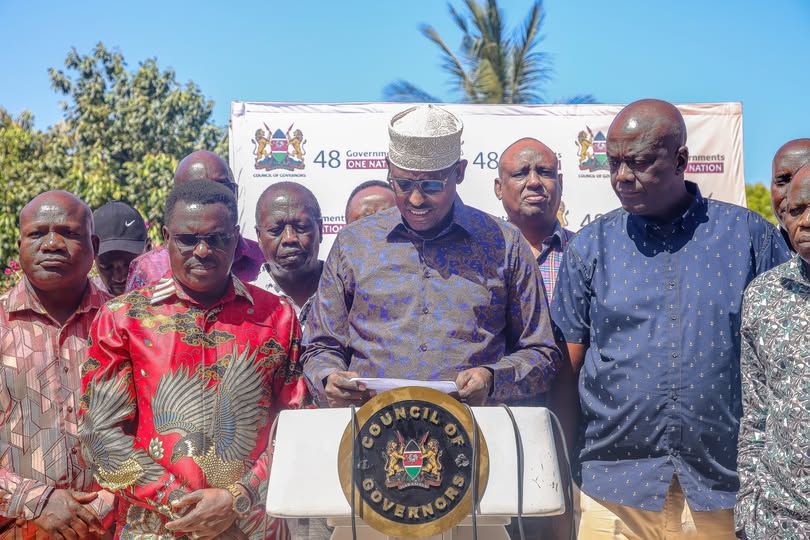
A fierce constitutional standoff has erupted between the Council of Governors (CoG) and the Senate, threatening to paralyze the oversight of billions in devolved funds. In a bold resolution passed on Monday, February 9, 2026, during a retreat in Kilifi, the CoG unanimously voted to halt all appearances before the Senate County Public Accounts Committee (CPAC). The governors, led by Chairperson Ahmed Abdullahi (Wajir) and Vice Chair Muthomi Njuki (Tharaka Nithi), claim that the committee has devolved from a watchdog into a “soko huru” (open market) where some members allegedly demand massive bribes to clear audit queries
The allegations are specific and explosive. The CoG has singled out four senators—whom they describe as “notorious”—accusing them of using the committee to extort and humiliate county bosses. Specifically, CoG leaders cited instances where governors were allegedly pressured for cash to ignore “ghost projects,” such as Mandera’s controversial non-existent seedlings and lavish spending in Vihiga. Vice Chair Muthomi Njuki took the protest a step further by staging a dramatic walkout from a committee session, later claiming that the environment has become a “political circus” designed to station cameras for social media clout rather than genuine financial scrutiny.
In a swift and stinging rebuttal, CPAC Chairman Moses Kajwang’ (Homa Bay) dismissed the boycott as an unconstitutional attempt to dodge accountability. Supported by Senators Edwin Sifuna and Aaron Cheruiyot, Kajwang’ argued that “suspects cannot choose their own bench,” emphasizing that the Senate’s mandate under Articles 125 and 229 of the Constitution is non-negotiable. The senators maintain that the sudden outcry over “harassment” is merely a smokescreen to hide the plunder of public resources recently highlighted by Auditor-General Nancy Gathungu. They have vowed to enforce attendance, warning that skipping summons is a criminal offense that could lead to arrest or prosecution by the DPP.
The timing of this clash is critical for Kenya’s political landscape. President William Ruto previously echoed these concerns during a 2025 Parliamentary Group meeting, alleging that he had “raw intelligence” of senators demanding up to KSh 150 million to influence impeachment or audit outcomes. As both sides dig in, the stalemate leaves the public in a precarious position: caught between governors who claim they are being bullied by an “extortion ring” and senators who insist they are the last line of defense against the theft of taxpayer money. Until “structured engagement” between the Senate leadership and the CoG occurs, the wheels of county accountability remain at a grinding halt.