
Sifuna Brands Sakaja-Ruto Deal a “Backdoor Takeover”

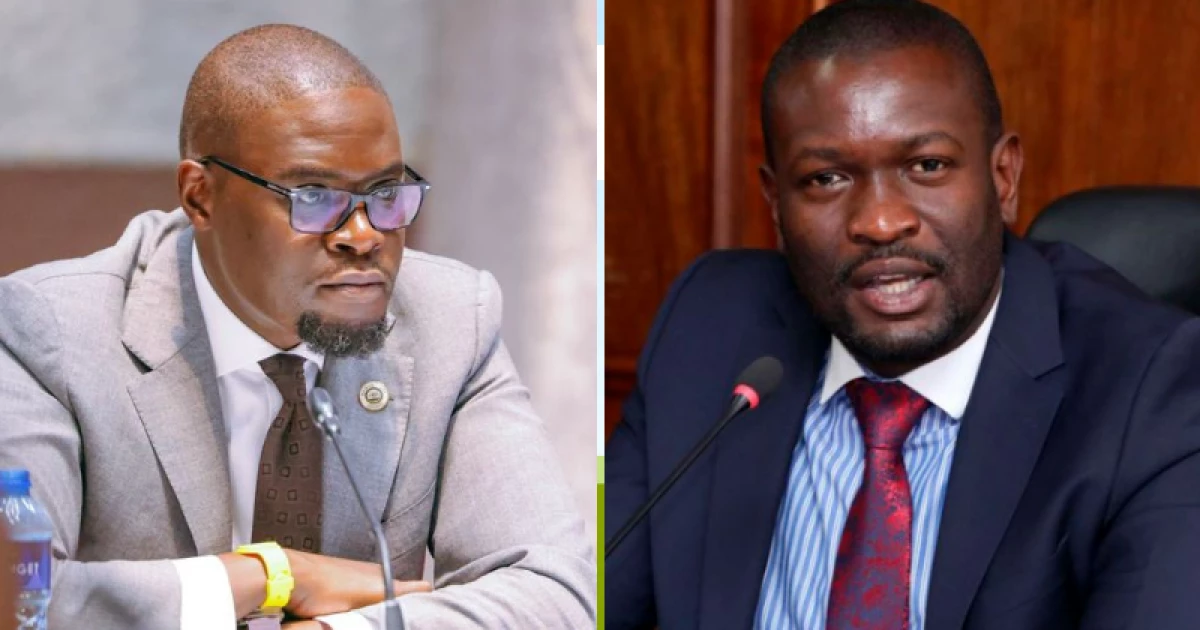
The political temperature in Nairobi reached a boiling point this week as Senator Edwin Sifuna and Governor Johnson Sakaja faced off over the newly signed KSh 80 billion cooperation agreement between the County and the National Government. In a heated Senate committee session on February 26, 2026, Sifuna launched a scathing critique, dismissing the deal as a “constitutional violation” and a thinly veiled attempt to reintroduce the defunct Nairobi Metropolitan Services (NMS) model through the back door.
Sifuna’s primary bone of contention lies in the structure of the deal’s steering committee. He pointed out that of the 12 members overseeing the KSh 80 billion projects, a staggering two-thirds are National Government appointees. Chaired by Prime Cabinet Secretary Musalia Mudavadi, with Sakaja as his deputy, Sifuna argued the framework effectively strips the Governor of his executive autonomy.
“From its structure, the Governor will play subservient to the Prime Cabinet Secretary, making Sakaja the new Deputy Governor for all intents and purposes,” Sifuna claimed during a press briefing.
The Senator further poked holes in the procedural integrity of the pact, noting that it was signed at State House before any public participation was conducted. He described the proposed 14-day window for “post-facto” citizen engagement as a “mere disrespect to Nairobians,” suggesting the outcome is already predetermined and limits feedback only to “amendments” rather than allowing residents to reject the deal entirely. Sakaja, however, defended the move, stating that a draft document was necessary for the public to have something concrete to discuss.
While President Ruto framed the KSh 80 billion as a major infrastructure boost for street lighting, water, and roads, Sifuna dismissed it as a “rouse.” He argued that the National Government currently owes Nairobi County over KSh 100 billion in unpaid rates and obligations. Instead of a new “partnership,” the Senator urged the President to simply direct state agencies to pay what they owe and allow the County Assembly to ring-fence those funds for local projects.
Governor Sakaja has remained firm, insisting that the partnership is not a “transfer of functions” but a necessary collaboration to fix a city that is “sinking in filth.” He clarified that while the Steering Committee sets policy, he chairs the Implementation Committee, which handles day-to-day execution. Sakaja maintains that Nairobi’s unique status as a global hub requires funding levels that far exceed standard county allocations, and that working with Ruto is the only way to deliver “order and dignity” to the capital.


