Malava By-Election Withdrawal Sends Shockwaves Through Western Kenya Politics


The political temperature in Western Kenya’s Malava Constituency has just spiked, transforming the upcoming November 27 by-election from a local contest into a potential barometer for the 2027 General Election.
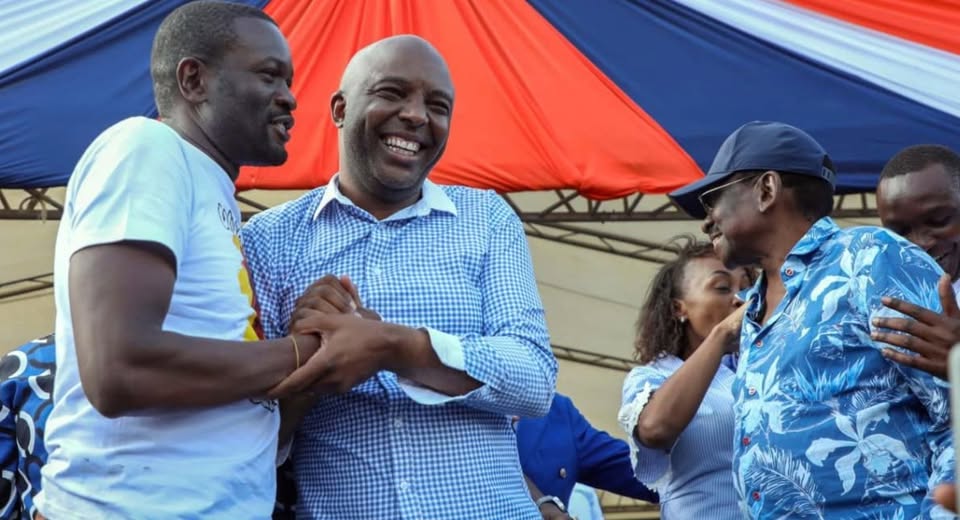
In a significant political maneuver this past Sunday, former 2022 third-place candidate Joab Burudi Manyasi announced his withdrawal from the race. Crucially, Manyasi did not simply exit; he threw his weight behind the United Democratic Alliance (UDA) flagbearer, David Ndakwa, who currently serves as the Kakamega County Assembly minority leader.
The move was immediately hailed by Prime Cabinet Secretary Musalia Mudavadi, a key figure in the ruling coalition. Mudavadi praised Manyasi’s decision as a definitive “step toward coalition unity,” a powerful signal that the governing alliance is serious about consolidating its power base, particularly in vote-rich Western Kenya.
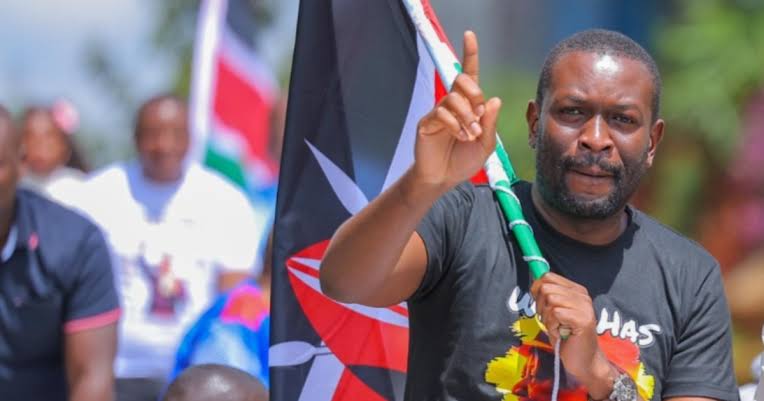
This endorsement hands UDA’s Ndakwa a substantial boost. Ndakwa is running a campaign focused on grassroots issues: local development, youth empowerment programs, and vital aid for farmers—a platform designed to resonate deeply with the Malava electorate. Manyasi’s backing likely brings his established voter base directly into Ndakwa’s fold, significantly tightening the race.
However, the political drama doesn’t end there. The opposition, led by candidate Seth Panyako, is equally determined to capture the seat. Panyako is receiving strong support from former Defence Cabinet Secretary Eugene Wamalwa and his Democratic Action Party–Kenya (DAP-K). This sets up a classic clash of political titans: Mudavadi’s ruling coalition vs. Wamalwa’s opposition bloc, with Malava as the epicenter.
The by-election is now a critical test of loyalty and influence. It is a snapshot of the shifting political alliances in this key Western Kenya hotspot and will indicate which faction holds the current advantage heading into the next general election cycle.
For political observers, the Malava outcome is less about one parliamentary seat and more about the broader coalition calculus for 2027.
If Ndakwa, bolstered by Manyasi’s endorsement, secures a win, it will be interpreted as a major victory for the ruling coalition’s unity agenda and Mudavadi’s regional leadership. Conversely, a Panyako win would give the opposition a powerful narrative that the region is resisting the consolidation efforts of the ruling alliance.
All eyes are now on November 27. The result in Malava could very well be the first public hint of the broader political coalitions that will define the next national election.