Western Kenya Split Over Edwin Sifuna’s 2027 Presidential Ambitions

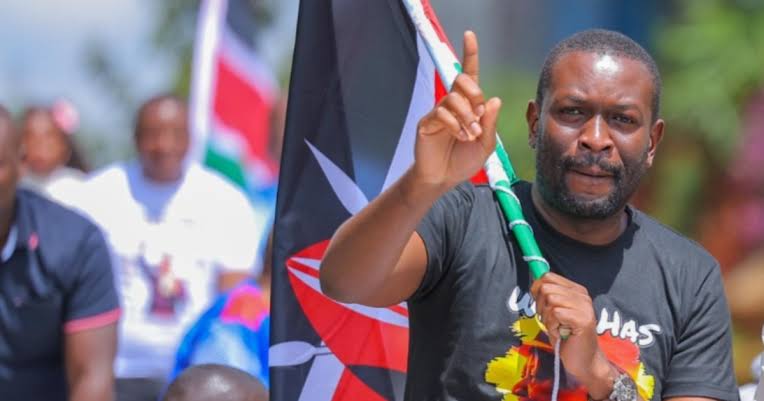
Political activity is intensifying in Western Kenya ahead of the 2027 General Election, with rival camps positioning themselves over the growing influence of Nairobi Senator Edwin Sifuna, whose allies are preparing to launch what they describe as his journey onto the national political stage.
Leaders allied to Sifuna are expected to converge in Bungoma County on July 26 for a high-profile political gathering that supporters say will mark the beginning of a broader national movement centered around the Nairobi senator.
However, even before the meeting takes place, competing political campaigns have already emerged across the region, exposing divisions over Sifuna’s political future.
Supporters argue that Western Kenya has waited long enough to produce a national leader and believe the region should unite behind one of its own in the next election cycle.
Over recent months, Sifuna has steadily expanded his political presence beyond Nairobi, increasing his engagements across his home region as he seeks to strengthen his influence ahead of the 2027 contest.
Addressing supporters during one of his recent engagements, Sifuna challenged Kenyans to rethink the region’s role in national leadership.
“This time around, in 2027, I want to face Kenyans and ask them: You have a responsibility like no one else. Use that respect for two things—power and development.”
His allies say the July 26 meeting will signal a new chapter in Western Kenya politics, positioning the senator as a leader capable of competing on the national stage.
The growing momentum behind Sifuna has, however, prompted an equally determined response from leaders aligned with President William Ruto, who have intensified political tours across the region in a bid to consolidate support for the Kenya Kwanza administration.
Government-allied leaders have maintained that their focus remains on securing another term for President Ruto in 2027, arguing that the region should continue supporting the current administration.
Despite those efforts, some leaders attempting to dismiss Sifuna’s growing influence have reportedly faced resistance from crowds during public meetings, with supporters chanting his name and demanding that he be recognized as Western Kenya’s emerging political leader.
Political analysts say the current political atmosphere differs from previous election cycles when other regional leaders sought the presidency without fully uniting Western Kenya behind their candidacies.
According to observers, Sifuna appears to be attracting broader enthusiasm across parts of the region, although questions remain about whether that support can be sustained nationally.
Analysts also note that the success of any presidential bid from Western Kenya could depend heavily on the ability of opposition parties to build a united political front ahead of the 2027 General Election.
Whether the planned July 26 gathering in Bungoma becomes the launchpad for a serious national political movement or simply another chapter in Western Kenya’s internal political contest remains to be seen.
As political realignments continue to gather pace, Western Kenya is increasingly emerging as one of the country’s key battlegrounds, with leaders from both the opposition and the government seeking to shape the region’s role in determining Kenya’s next political leadership.