Cracks Deepen in Linda Mwananchi as Leaders Clash Over 2027 Political Strategy


Fresh divisions have emerged within the Linda Mwananchi movement, threatening to slow the momentum of one of Kenya’s fastest-growing opposition formations as the race towards the 2027 General Election begins to intensify. The internal disagreements have sparked concerns over the coalition’s future, with key leaders reportedly split over whether the movement should maintain its independence or formally join forces with the broader United Opposition.
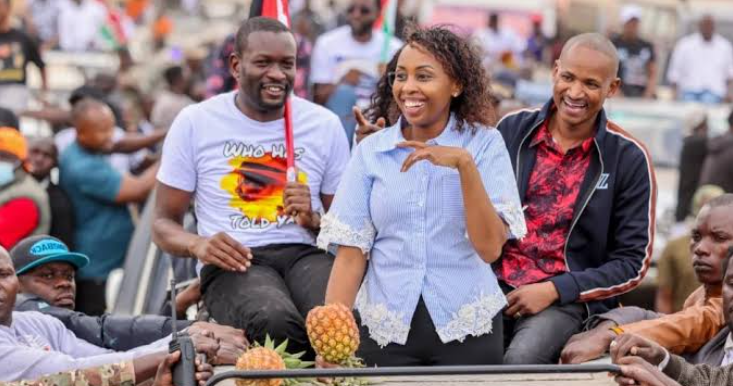
When the Linda Mwananchi movement was launched in February this year under the leadership of Nairobi Senator Edwin Sifuna and other youthful opposition figures, it quickly attracted national attention by presenting itself as a fresh political force championing accountability, governance reforms, and youth-driven leadership. The coalition’s rallies drew large crowds across different parts of the country, rapidly positioning it as a significant player in the opposition landscape while complicating political calculations for both the Kenya Kwanza administration and the wider opposition alliance.
However, just four months after its emergence, signs of internal strain have begun to surface. According to reports, the coalition is increasingly divided over its long-term political strategy, with one faction pushing for closer cooperation with the United Opposition while another insists the movement should preserve its identity and chart an independent political path.
Supporters of the United Opposition argue that defeating President William Ruto in the 2027 election will require a united front capable of fielding a single presidential candidate. They believe cooperation with experienced opposition leaders would strengthen the coalition’s electoral prospects and prevent the fragmentation of opposition votes.
On the other hand, another group within Linda Mwananchi believes the movement was created to offer Kenyans an alternative to the country’s traditional political establishment. They argue that aligning too closely with veteran politicians could dilute the movement’s reform agenda and alienate the young supporters who have embraced its message of political renewal. According to this faction, Linda Mwananchi should build its own political structures and remain independent rather than becoming another affiliate within the broader opposition coalition.
The disagreements are now beginning to affect the coalition’s activities on the ground. Political observers have noted a slowdown in public engagements compared to the movement’s energetic launch earlier this year. The postponement of a planned rally in Kisii County, which has now been rescheduled, has further fueled speculation that internal consultations are taking priority over public mobilization.
The apparent divisions have also presented an opportunity for leaders aligned with the Kenya Kwanza administration, who say they are closely monitoring developments within the opposition. Some government-allied politicians have openly claimed they are engaging opposition leaders in an effort to weaken the emerging anti-government coalition. They have specifically mentioned ongoing discussions with Wiper Party leader Kalonzo Musyoka, expressing confidence that he could eventually support President William Ruto’s re-election bid if negotiations prove successful.
While those claims remain unverified, the remarks illustrate how political realignments are already taking shape well ahead of the 2027 elections. Kalonzo himself has not publicly indicated any intention to leave the opposition, and senior figures allied to him have continued to maintain that discussions within the opposition are ongoing.
Meanwhile, members of the Linda Mwananchi movement have largely avoided appearing alongside the principals of the United Opposition at joint political rallies. Instead, reports indicate that some leaders have preferred holding separate consultations with opposition figures as negotiations over possible cooperation continue behind closed doors. This has fueled speculation that consensus on the coalition’s future direction has yet to be reached.
Political analysts warn that the emerging disagreements could significantly affect Linda Mwananchi’s influence if they remain unresolved. They argue that the movement’s rapid rise was largely driven by its image as a united, youthful alternative focused on governance and accountability. Prolonged internal wrangles, they say, risk undermining public confidence and weakening the coalition’s bargaining power in any future opposition negotiations.
Despite the reported tensions, leaders within the movement continue to insist that discussions are part of a normal democratic process and that consultations will eventually produce a strategy capable of strengthening the opposition ahead of the next general election. Nevertheless, the unfolding divisions have already shifted attention from the coalition’s policy agenda to questions about its internal unity.
As political activity accelerates across the country, the future of Linda Mwananchi is expected to play a significant role in shaping Kenya’s opposition politics. Whether the movement ultimately joins the United Opposition or chooses to remain an independent political force could influence not only the opposition’s ability to present a united challenge to President William Ruto but also the broader political landscape heading into the 2027 General Election.