Ruto Unveils New Political Slogan as UDA Messaging Shifts Ahead of 2027


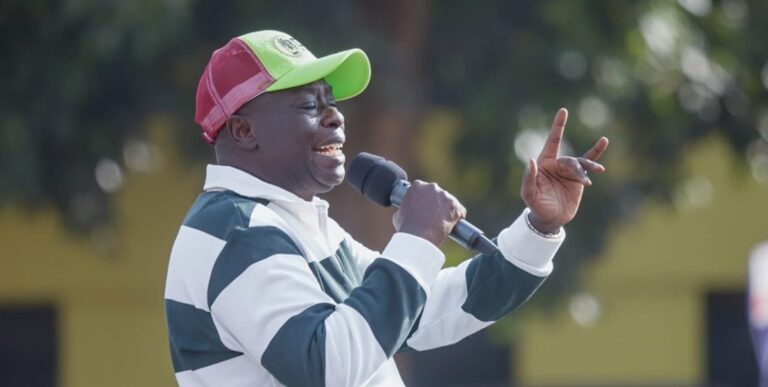
President William Ruto’s ongoing tour of the Rift Valley is providing fresh clues about how his political camp could reshape its messaging ahead of the 2027 General Election, with a new slogan increasingly featuring in his public rallies.
During his tour of Uasin Gishu and Elgeyo-Marakwet counties, Ruto repeatedly used the phrase “Pamoja,” meaning “together,” alongside messaging centred on equality and unity. The repeated use of the new language has triggered speculation that the United Democratic Alliance (UDA) could be preparing to refresh its political identity as the next election approaches.
The emerging slogan is notable because similar language has already been associated with other political formations in Kenya.
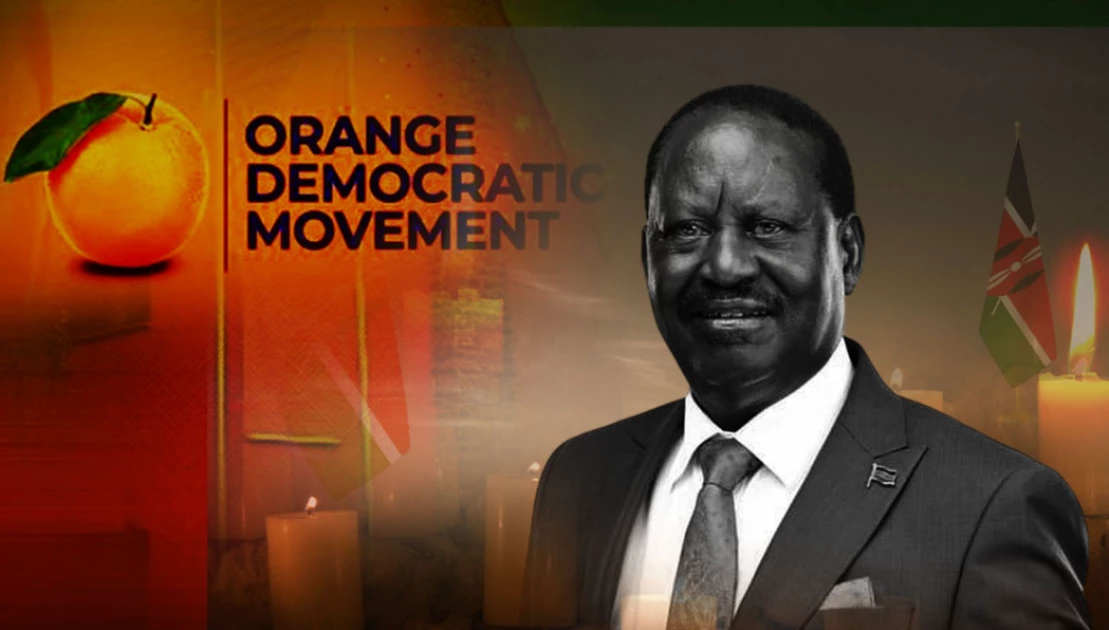
The phrase “Mbele Pamoja,” meaning “Forward Together,” is officially associated with both Jubilee Party and the Orange Democratic Movement (ODM). The Office of the Registrar of Political Parties currently lists ODM’s slogan as “Mbele Pamoja,” while Jubilee’s registered slogan is listed separately as “Tuko Pamoja.” ORPP
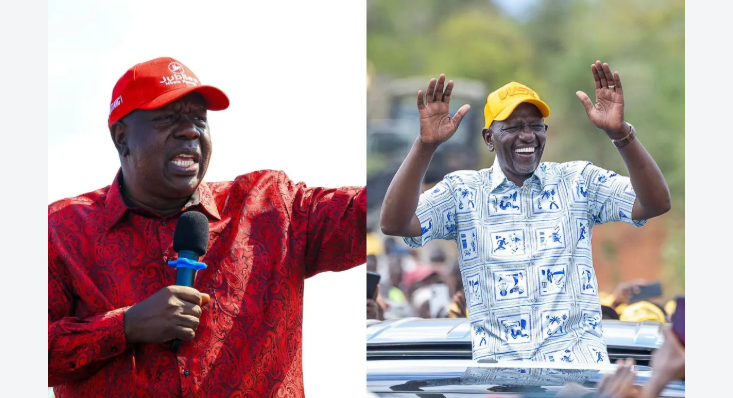
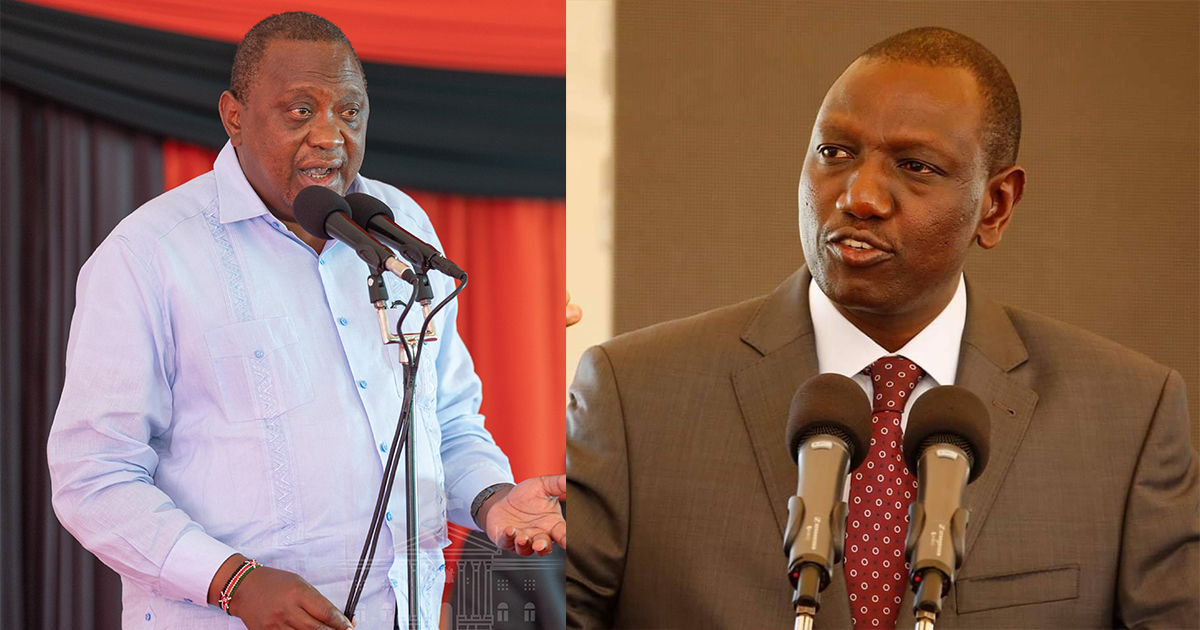
Jubilee, however, adopted “Mbele Pamoja” as part of its rebranding in December 2021, replacing its earlier “Tuko Pamoja” slogan. The change came during the political fallout between then-President Uhuru Kenyatta and his deputy, Ruto. Kenyans
The emergence of similar terminology around Ruto has consequently sparked debate among political observers and supporters of rival parties, particularly because political slogans are an important component of campaign branding.
Ruto’s political messaging in the 2022 election was strongly associated with the Bottom-Up Economic Transformation Agenda and the slogan “Kazi kwa Vijana, Kazi kwa Mama, Kazi kwa Mzae,” as his Kenya Kwanza coalition presented itself as the political vehicle for ordinary Kenyans.
The campaign also relied heavily on the contrast between what Ruto described as “hustlers” and the political “dynasties,” helping his team create a distinct identity around economic empowerment and opposition to established political elites.
Four years later, however, the political environment has changed significantly.
Ruto is now campaigning as an incumbent seeking a second term, meaning his political messaging must contend with his administration’s record rather than simply promising an alternative to the previous government.
Political communication strategist and analyst Barack Muluka, who was involved in shaping messaging around the Kenya Kwanza campaign, suggested that the emerging language could be an indication of a political strategy being adjusted in response to changing public sentiment.
The repeated use of “Pamoja” during the President’s Rift Valley tour is therefore being interpreted by some observers as more than a simple rallying phrase.
The language places greater emphasis on unity and collective progress, potentially representing an attempt to broaden the administration’s political appeal beyond the identity and economic messaging that dominated the 2022 campaign.
The timing is also significant.
Ruto’s current tour comes as political parties and emerging movements begin positioning themselves for the 2027 election. The President’s political team is expected to face a much more competitive environment, with opposition figures and former allies working to consolidate support in different parts of the country.
The use of a new slogan could therefore form part of a wider effort to refresh the administration’s public image.
However, there has been no formal announcement that UDA has changed its official name, colours, logo or registered slogan. The emerging messaging should therefore not automatically be interpreted as a formal party rebranding.
The comparisons with rival political movements have nevertheless already begun.
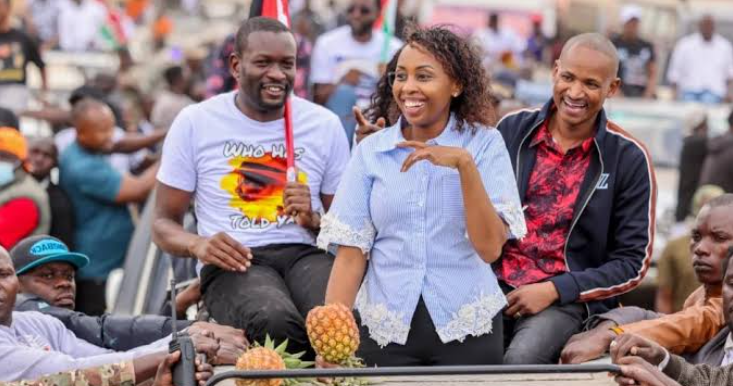
Supporters associated with Nairobi Senator Edwin Sifuna’s political formation have pointed to similarities between the new language being used by Ruto and messaging centred on equality and unity.
The broader political significance lies in the fact that slogans often become shorthand for a party’s identity. In Kenya’s highly competitive political environment, carefully chosen phrases can help political movements communicate their central message and distinguish themselves from their competitors.
The history of “Mbele Pamoja” demonstrates how political branding can also evolve alongside changing alliances. Jubilee adopted the phrase in 2021 after abandoning “Tuko Pamoja” as it sought to distance itself from political associations linked to Ruto’s former United Republican Party. Kenyans
ODM’s official party constitution also lists “Mbele Pamoja” as its slogan. Orange Democratic Movement
That makes the renewed use of similar “Pamoja” language particularly interesting as Kenya’s political parties prepare for another election cycle.
For Ruto’s administration, the challenge will be ensuring that any new political branding is accompanied by a message that resonates with voters beyond campaign rallies.
The President’s 2022 campaign was built around economic transformation and the promise of improving the lives of ordinary Kenyans. His current messaging appears to place greater emphasis on unity, equality and moving forward together.
Whether that represents a permanent shift in UDA’s political identity or simply a campaign phrase used during the President’s current tour remains to be seen.
What is already clear, however, is that political branding for 2027 is beginning to take shape. As rival parties and emerging movements seek to establish their identities, familiar political phrases are once again becoming contested territory.
Ruto’s repeated use of “Pamoja” may therefore be an early indication of how the President’s political team intends to present his administration as the country moves toward the 2027 election.