NTSA Defends Mandatory Vehicle Inspection Rule as Legal Challenges Intensify


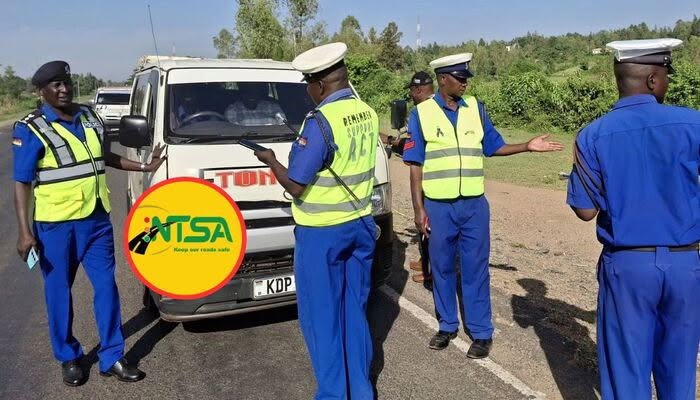
The National Transport and Safety Authority (NTSA) has defended its controversial directive requiring annual inspections for private vehicles older than four years, maintaining that the policy is lawful, necessary for road safety, and critical to improving the country’s vehicle registration system. The authority’s position comes even as legal challenges against the regulations continue to mount, with a second petition now filed before the High Court seeking to halt their implementation.
Speaking during an interview on NTV’s Fixing the Nation programme, NTSA Director General Francis Kundiwa dismissed claims that the mandatory inspection requirement had been introduced abruptly. He explained that the regulations have been under consideration for nearly a decade and are intended to operationalize existing legal provisions rather than introduce a completely new policy.
According to Kundiwa, the four-year inspection threshold is based on the average lifecycle and mechanical integrity of vehicles operating on Kenyan roads. He argued that the inspections are not only meant to identify mechanically unsafe vehicles but also to help the authority maintain an accurate and reliable national vehicle registry.
One of the key concerns raised by the NTSA boss is that the authority currently lacks an accurate record of active vehicles in the country. He revealed that once vehicles are registered, many remain in the national database even after they are no longer in use or have been scrapped, making it difficult for the government to determine the exact number of operational vehicles on Kenyan roads.
Under the new Traffic Motor Vehicle Inspection Rules 2026, owners of private vehicles that are more than four years old will be required to subject their vehicles to annual inspections at a cost of KSh2,000. Motorcycle and tuk-tuk owners will pay KSh500 for mandatory inspections. NTSA maintains that the exercise is designed to enhance road safety by ensuring only roadworthy vehicles are allowed to operate while also strengthening the integrity of the national transport database.
Despite the authority’s assurances, opposition to the regulations continues to grow. The Law Society of Kenya (LSK) has moved to the High Court seeking urgent orders to suspend the implementation of the new rules, arguing that they were enacted without adequate public participation as required by the Constitution. The petition also questions the legality of imposing mandatory inspection requirements on private motorists through regulations rather than legislation passed by Parliament.
The latest court action adds to earlier legal challenges filed against the regulations, reflecting growing public concern over the financial burden the annual inspections could place on vehicle owners at a time when many Kenyans are already grappling with the high cost of living.
Meanwhile, fresh controversy has emerged over NTSA’s digital traffic fines payment system after city lawyer Donald Kipkorir questioned why an alleged traffic fine paid by his brother was reportedly directed to a Kenya Commercial Bank (KCB) account registered under the name of an individual instead of an official government account. Kipkorir has demanded clarification from both NTSA and KCB, arguing that public funds should only be deposited into properly designated government accounts if the payment request was legitimate.
The questions surrounding the payment system have added another layer of scrutiny to the transport authority at a time when it is already facing criticism over the proposed inspection regulations.
With the new rules scheduled to take effect soon, attention now shifts to the High Court, which is expected to determine whether the implementation of the mandatory annual inspection programme will proceed as planned or be temporarily suspended pending the hearing and determination of the constitutional petitions.
The court’s decision is likely to have far-reaching implications for millions of motorists across Kenya, as well as for the government’s broader efforts to reform road safety, vehicle regulation, and transport sector oversight.