Kenya-Uganda Infrastructure Deals Cement East Africa’s Economic Future


A major tectonic shift is underway in East African manufacturing, centered on the newly commissioned Devki Mega Steel Plant in Uganda’s Tororo District. Built by Kenya’s industrial giant, the Devki Group, on a massive 400-acre site, the facility is a beacon of regional ambition, aiming to produce an impressive one million tonnes of steel annually.
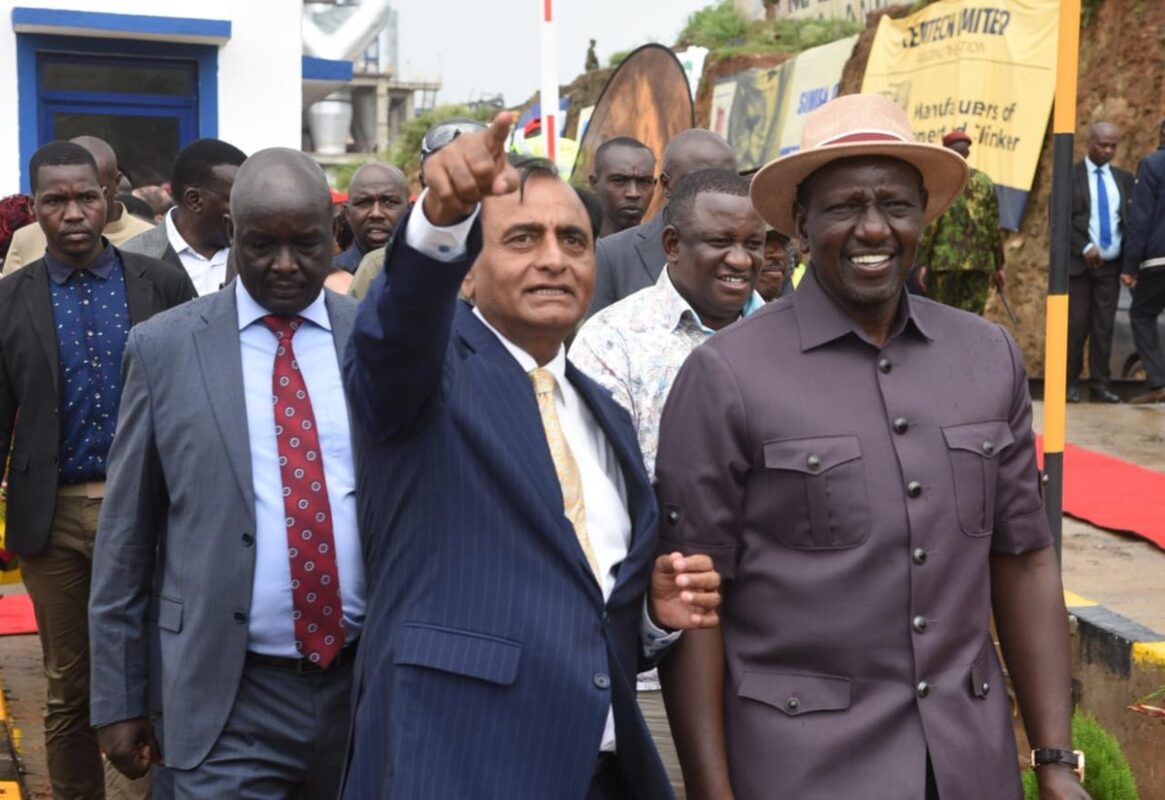
The economic impact is immediate and significant. The plant is projected to create 15,000 direct jobs in Tororo and Mbarara, a figure expected to balloon to 20,000 across the region by 2027. Leaders on hand celebrated the facility not just as a job creator, but as a critical path toward industrial independence. By processing local minerals and drastically reducing the region’s reliance on steel imports, the plant aims to foster crucial economic self-reliance for East Africa. Industrialist Narendra Raval notably praised President Ruto’s leadership at the event, underscoring the political support for this cross-border venture.
The inauguration was leveraged by Kenyan President William Ruto to promote deeper regional integration. He made two significant pledges to facilitate trade:
- Guaranteed Sea Access: Ruto promised reliable and unhindered sea access for landlocked Uganda via Kenya’s ports.
- Joint KPC Ownership: More controversially, he suggested the joint ownership of the Kenya Pipeline Company (KPC) between the two nations to further cement regional trade security.
While this proposal is intended to foster regional trade and strengthen the East African Community (EAC) bloc, it has immediately stirred up a strong domestic debate. Some Kenyans have voiced concerns over the proposal, questioning the wisdom of sharing control over what is viewed as a vital national strategic asset.
The Devki Mega Steel Plant thus stands at the intersection of business and diplomacy. It is a symbol of East Africa’s industrial future, simultaneously highlighting the economic integration ambitions of political leaders and sparking necessary conversation about the sharing of national resources for the collective regional good.