
Residents Blame Failed Drainage as Floods Ravage Nairobi, Syokimau and Kiambu

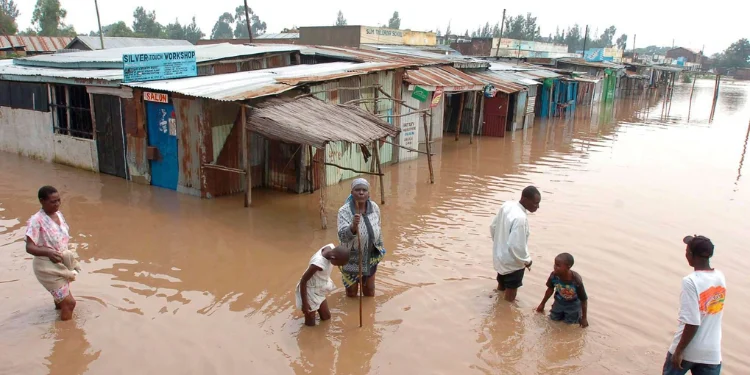
Heavy rainfall has once again plunged parts of Kenya into a state of emergency, with Syokimau, Kiambu, and Nairobi bearing the brunt of devastating floods. As the rains intensify, the sheer volume of water has overwhelmed urban infrastructure, submerging entire neighborhoods and forcing families to abandon their homes in a desperate scramble for safety. What was once a seasonal concern has escalated into a full-scale humanitarian crisis, leaving residents to navigate waist-deep water and murky currents to reach higher ground.
In residential hubs like Syokimau, the situation is particularly dire. Residents in high-density estates, such as the 360 Apartments, have reported a total collapse of local drainage systems. Despite previous assurances from developers and management teams regarding flood mitigation, the current deluge has rendered those efforts useless. Even more concerning are reports of floodwaters mixing with open sewage lines, creating a hazardous environment that puts thousands at risk of waterborne diseases. For many families, the daily routine has been replaced by the grueling task of bailing out water and stacking furniture on stones in a futile attempt to protect their lifelong investments.
The transport network across the capital and its surrounding counties has effectively been paralyzed. Floodwaters spilling onto Mombasa Road and the Eastern Bypass have triggered massive traffic gridlock, leaving motorists and public transport commuters stranded for hours. In a rare and urgent response to the congestion, the Moja Expressway Company announced a temporary waiver of toll fees at selected exits to divert traffic away from the most severely submerged sections of the highway. This move highlights the severity of the situation, as the main arteries of the nation’s economy struggle to stay functional under the weight of the downpour.
Beyond the urban centers, Kiambu County has seen a significant impact in areas like Muthaiga, where residents woke up to find their ground floors completely underwater. The Kenya Red Cross and other emergency response teams have been deployed to search for missing persons and evacuate marooned households in low-lying areas. While the Kenya Meteorological Service continues to issue warnings of even heavier rainfall in the coming days, the public discourse has shifted from the weather itself to the root causes of the disaster.
Critics and residents alike are pointing to systemic failures in leadership and urban planning. The recurring nature of these disasters is being blamed on unchecked construction on riparian land, the grabbing of natural waterways, and a chronic lack of investment in modern drainage infrastructure. As the water levels continue to rise, the crisis stands as a stark indictment of the gap between urban growth and disaster preparedness. Until the government moves from rhetoric to real enforcement of building codes and environmental protection, the rainy season will continue to be a time of fear and loss rather than a source of life for the nation.