The Embu County Showdown: Gachagua vs. Kindiki in a High-Stakes By-Election Battle


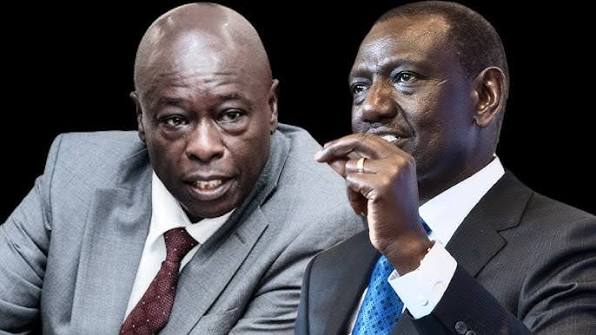
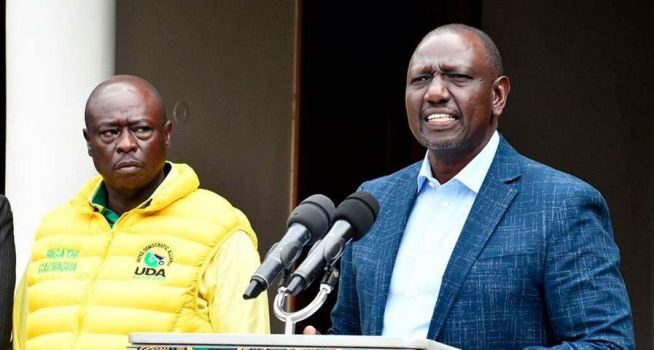
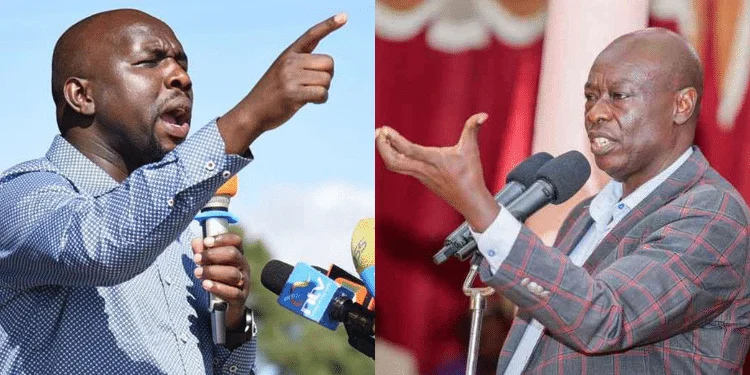
The upcoming November 27 by-election for the vacant Embu County seat—left open by the exit of Geoffrey Ruku—has escalated into a major political battlefield, pitting Deputy President Rigathi Gachagua directly against Deputy President Kithure Kindiki. This contest is rapidly morphing into a critical test of regional loyalties and policy priorities within President William Ruto’s government.
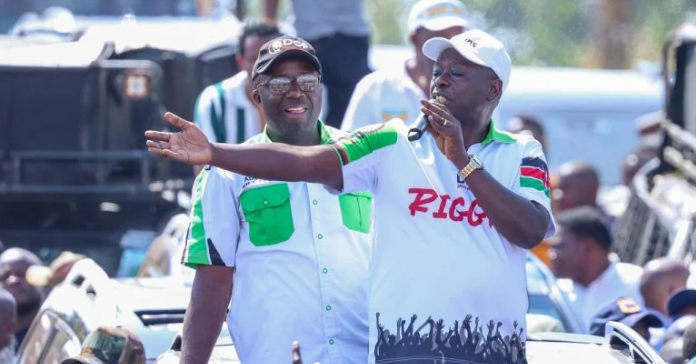
Deputy President Gachagua has deployed a classic grassroots strategy, campaigning vigorously door-to-door for DCP candidate Newton Kariuki. Gachagua’s messaging is sharply focused on economic populism, targeting the anxieties of local farmers and traders.
During his outreach—which included engaging directly with residents over traditional tea sessions—Gachagua urged support for Kariuki by promising improved muguka prices and market access. Crucially, he used the platform to deliver veiled criticism of government taxation policies and regulatory bans, positioning Kariuki as the candidate fighting against measures that are currently straining ordinary families.

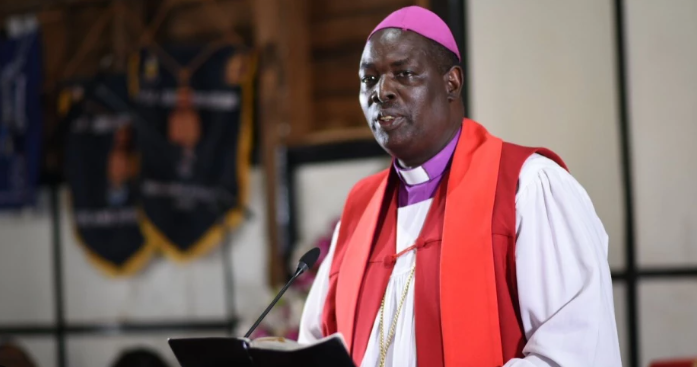
Countering Gachagua’s grassroots movement, Deputy President Kindiki has rallied support for the ruling party’s candidate, Leonard Wamuthende (UDA). Kindiki’s campaign narrative centers on the power of the central government’s mandate and tangible resource allocation.
Kindiki highlighted the commitment of the Ruto administration to pouring billions in development projects into the region, citing critical infrastructure advancements like irrigation schemes and road networks. His message aims to persuade voters that aligning with the UDA candidate ensures sustained access to executive resources and long-term economic development.
With polls suggesting an exceptionally tight race, the Embu by-election transcends local dynamics. It serves as a political barometer, testing the regional influence and policy resonance of the two powerful deputies. The outcome will be closely watched as an indicator of whether voter loyalty lies with the promise of immediate, grassroots economic relief (Gachagua’s approach) or the security of large-scale development funded by the central government (Kindiki’s appeal).