Why the New Graffiti and Tinted Window Ban Has the Streets Talking

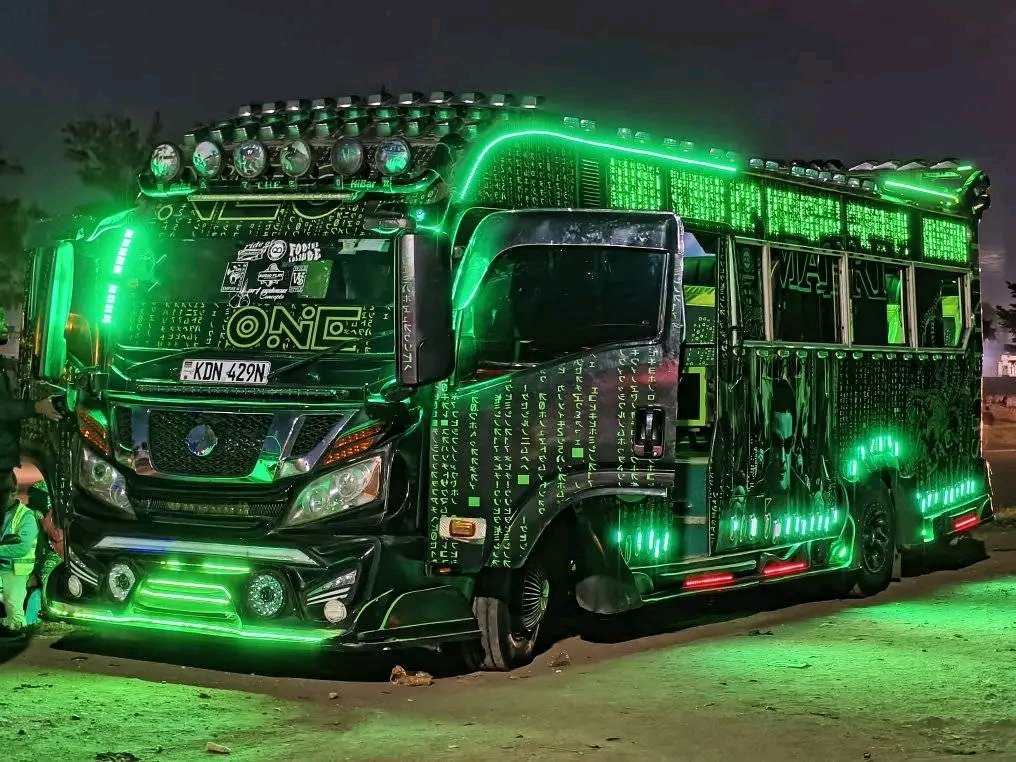
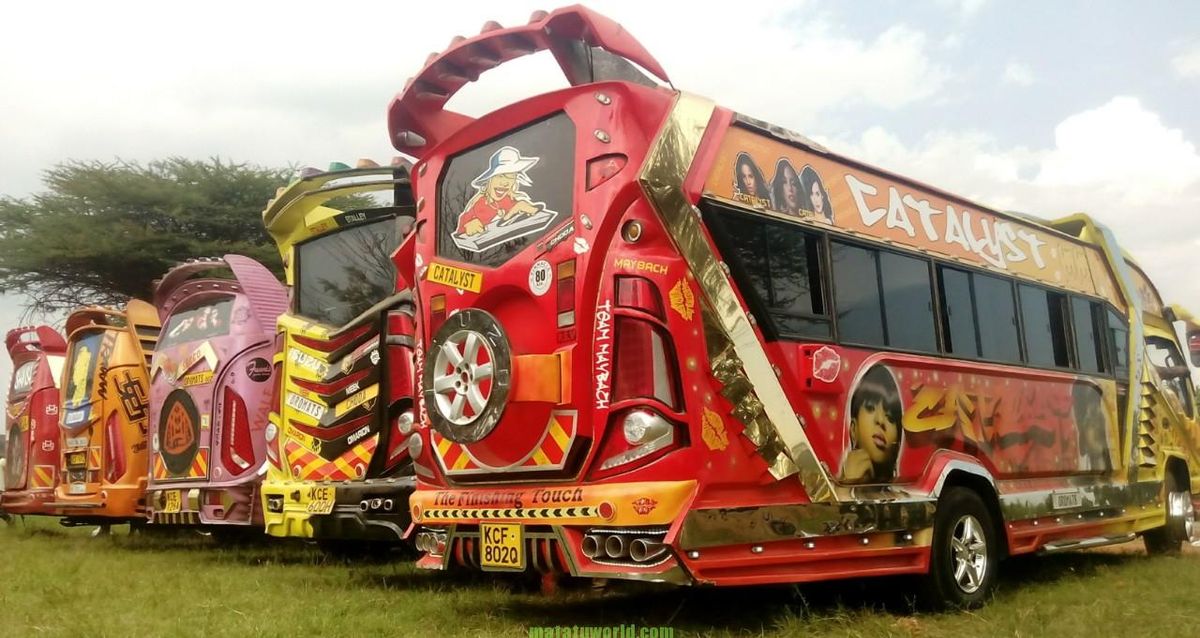
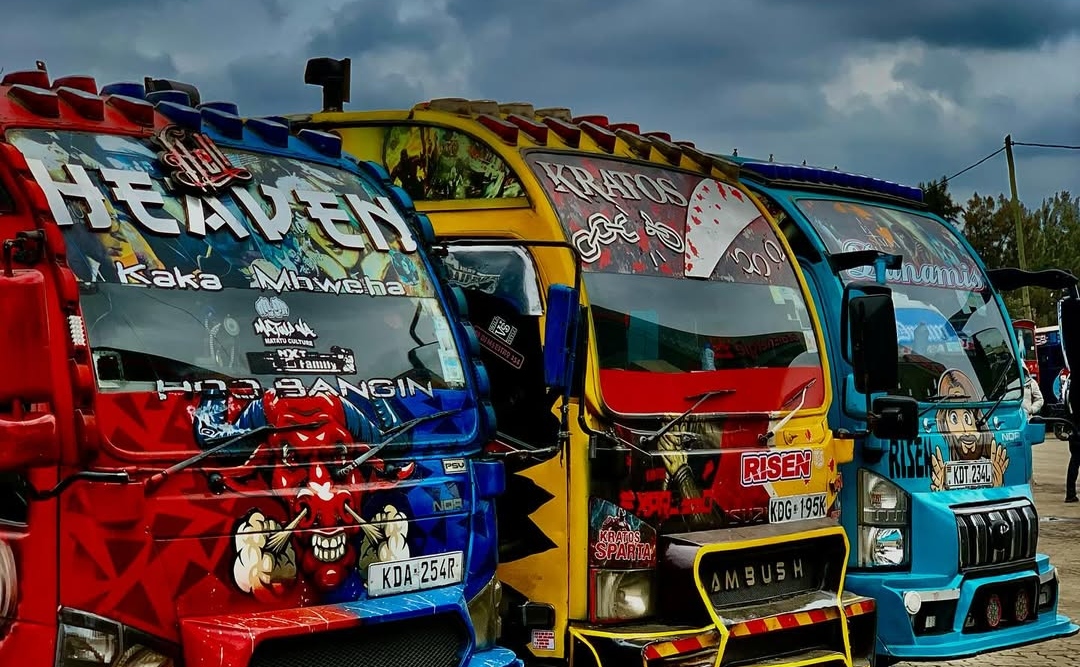
Nairobi’s streets are at the center of a massive cultural identity crisis as the government moves to enforce a sweeping ban on the very things that made the city’s public transport world-famous: vibrant graffiti and heavy window tints. Following a landmark High Court ruling that upheld a directive from the National Transport and Safety Authority (NTSA), the era of the “moving gallery” is under serious threat. For decades, the matatu industry has been the heartbeat of local pop culture, serving as a canvas for world-class street artists and a primary attraction for international visitors seeking to experience the raw, unscripted energy of the city.
This controversy has sparked a heated debate across digital platforms, capturing the frustration of a generation that sees this crackdown as an attack on artistic expression. Critics argue that graffiti is far more than just paint on a vehicle; it is a massive informal economy that employs thousands of young designers, airbrush artists, and decorators. By criminalizing this art form, many feel the government is stifling a unique industry that has historically served as a visual archive of music trends and social movements. The argument is simple: why target an industry that creates jobs and fosters creativity when it doesn’t inherently harm the public?
However, the debate takes a sharper turn when it comes to the issue of security. The ban on tinted windows has been met with a more nuanced response from the public. Commuters have frequently pointed out the risks of “pitch black” interiors during daylight hours, which can make it difficult for passengers to track their routes or feel secure in their surroundings. There is a growing consensus that while the art on the outside is a source of national pride, transparency on the inside is a fundamental safety requirement. Public transport must remain visible to ensure that the interior environment is safe for everyone and easily monitored by law enforcement.
The broader conversation is now shifting toward whether the authorities are focusing on the right priorities. While the NTSA targets paint and window film, many urban culture enthusiasts point out that more dangerous behaviors—such as reckless driving, hanging on open doors, and ignoring traffic signals—remain the true threats to road safety. The hope among many is for a compromise that prioritizes passenger security without stripping away the color and soul that makes the Kenyan matatu an international symbol of urban creativity. As the crackdown begins, the streets of Nairobi are waiting to see if their most famous subculture can once again find a way to reinvent itself under pressure.