Opposition Unveils Sh4.3 Trillion ‘People’s Budget’, Promises No New Taxes

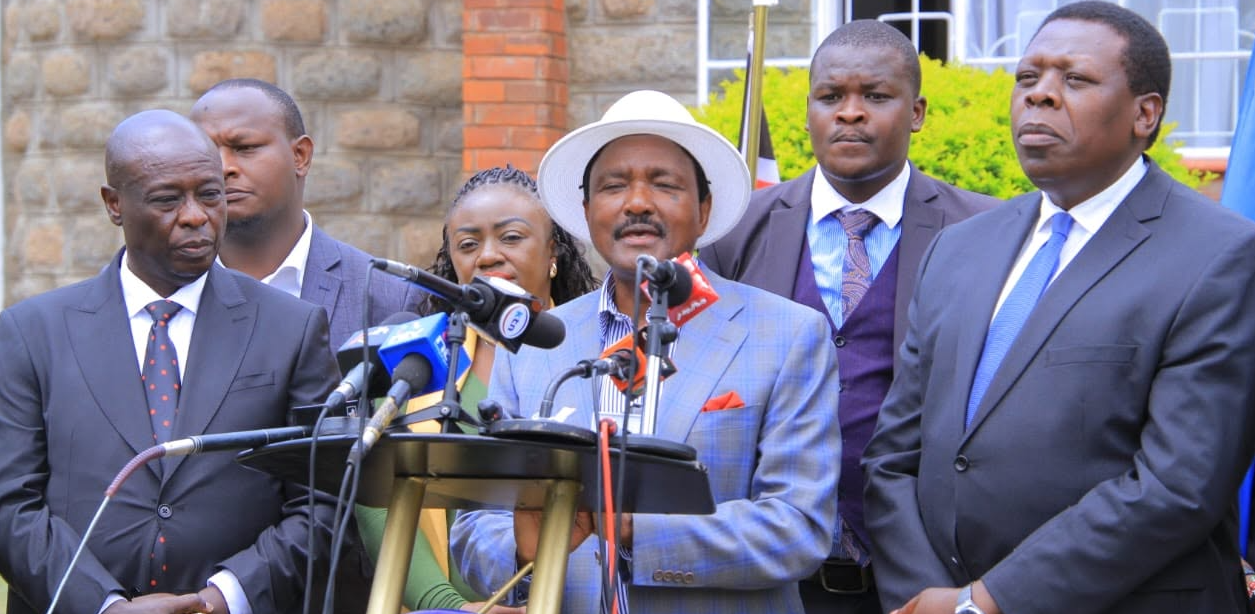
Kenya’s opposition has unveiled what it calls a “People’s Budget” worth KSh4.3 trillion, positioning it as an alternative to the government’s proposed spending plan and promising relief for households struggling with the high cost of living.
The proposal was presented just hours before Treasury Cabinet Secretary John Mbadi’s budget presentation and immediately set the stage for a fierce political contest over the country’s economic direction. Opposition leaders argued that their plan would reduce the tax burden on citizens while still funding essential government services and development programmes.
According to the opposition coalition, the proposed budget would be approximately KSh499 billion lower than the government’s projected KSh4.8 trillion expenditure plan. The coalition estimates that its budget would be supported by KSh3.7 trillion in revenue and operate with a fiscal deficit of KSh593 billion, which would be financed partly through domestic borrowing.
At the heart of the opposition’s proposal is a promise to shield Kenyans from additional taxation. Coalition leaders accused the Kenya Kwanza administration of relying excessively on taxes and levies at a time when many households are already struggling with rising living costs, fuel prices, and economic uncertainty.
The opposition outlined significant allocations to key sectors, including KSh737.3 billion for education and KSh242.3 billion for healthcare. Leaders behind the proposal said the allocations are designed to strengthen public services while ensuring that ordinary citizens receive better value from government spending.
One of the most notable proposals is the commitment to make education more affordable and accessible. Opposition leaders argued that investment in education should remain a national priority and pledged to expand support for learners and schools should they form the next government.
The coalition also proposed substantial cuts to some government expenditures. Among the areas targeted for reduction are the State House budget and the allocation to the National Intelligence Service (NIS). The opposition argues that savings generated from these cuts could be redirected toward social services and programmes that directly benefit citizens.
Another major pillar of the proposal is the abolition of the controversial Housing Levy. Opposition leaders vowed to scrap the levy if they assume power, arguing that it places an unnecessary burden on workers and businesses. They further urged Kenyans not to commit themselves to housing projects they believe could become financially problematic in the future.
To finance its spending plan, the opposition outlined several revenue-generation and cost-saving measures. These include proceeds from the sale of completed affordable housing units, efficiency gains through a strengthened Treasury Single Account system, taxation reforms targeting large landlords, cancellation of what they termed wasteful government contracts, and the suspension of non-priority capital projects.
The coalition also claimed that billions of shillings could be saved through reforms in public procurement and better management of government resources. According to opposition leaders, these measures would reduce wastage while ensuring sufficient funds remain available for critical sectors of the economy.
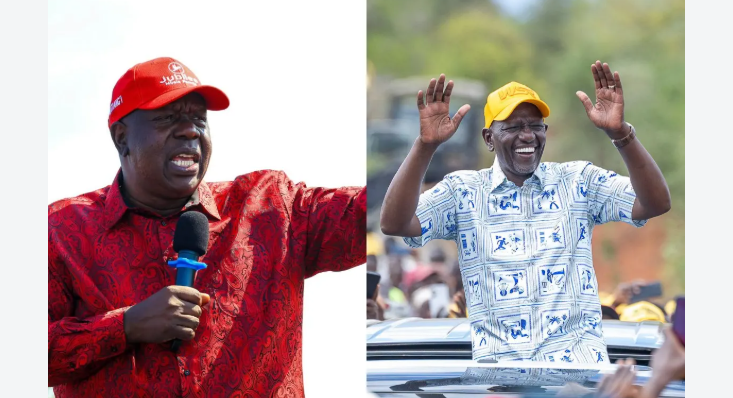
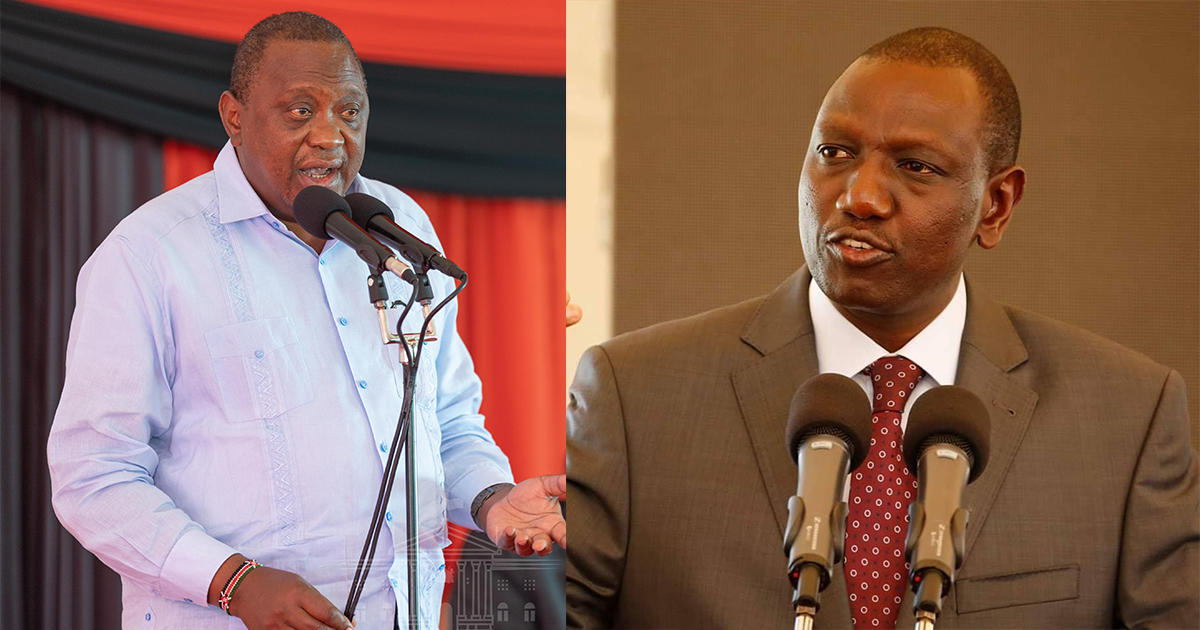
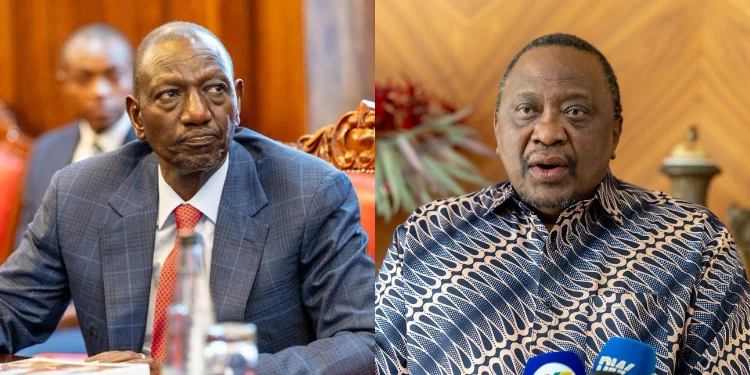
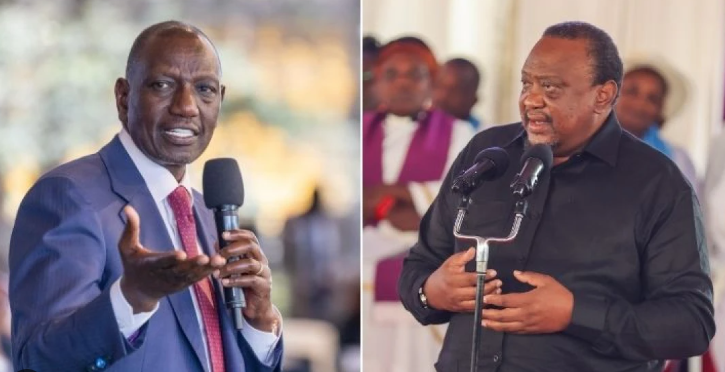
Beyond the numbers, the unveiling of the budget carried a strong political message. Opposition leaders used the event to criticize President William Ruto’s administration, accusing it of ignoring the economic hardships facing ordinary Kenyans. They described the government’s budget proposals and the Finance Bill 2026 as punitive and disconnected from the realities confronting many households.
The coalition has now instructed its allied Members of Parliament to oppose any provisions in the Finance Bill that would introduce new taxes or increase existing ones. Leaders are calling on lawmakers to force recorded votes on contentious measures so that Kenyans can see where each elected representative stands on tax-related issues.
The budget proposal also signals the opposition’s intention to make economic management and cost-of-living concerns central campaign issues as the country moves closer to the 2027 General Election. By presenting an alternative budget framework, the coalition hopes to convince voters that it offers a different approach to governance and public finance.
Whether the proposals are economically viable or politically achievable is likely to become a subject of intense debate in the coming weeks. However, the unveiling of the alternative budget has already injected fresh energy into the national conversation about taxation, public spending, debt management, and the future direction of Kenya’s economy.
As Parliament prepares to debate the Finance Bill and the national budget, Kenyans are likely to witness an increasingly sharp contest between the government’s economic agenda and the opposition’s promise of lower taxes, reduced government spending, and greater relief for households struggling with the cost of living.