
Protests Victims Reject Ruto’s Sh2 Billion Compensation, Demand Publication of Beneficiaries

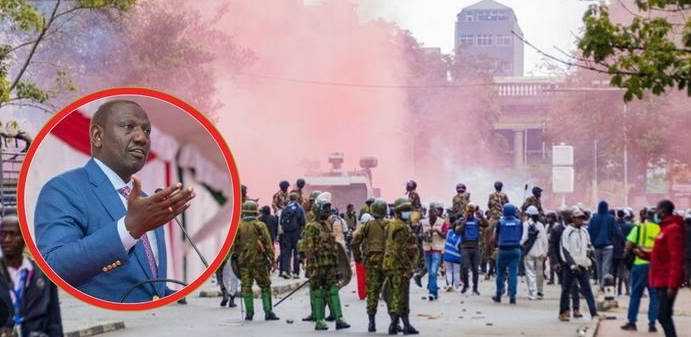
Fresh questions have emerged over the transparency and accountability of the government’s newly announced KSh2 billion compensation program for victims of human rights violations, with survivors, victims’ families, and their lawyers demanding the immediate publication of the beneficiary list.
The compensation package, which is expected to benefit at least 1,000 victims, was unveiled amid growing pressure on the government over delays in delivering justice, accountability, and reparations for those affected by past human rights abuses.
While the announcement was initially welcomed as a significant step toward addressing long-standing grievances, concerns are now mounting over the criteria used to identify beneficiaries and the lack of public disclosure surrounding the process.
Representatives of the victims’ coalition say they have little confidence in the current system and fear that genuine victims could be left out while undeserving individuals benefit from the compensation fund.
The government announced the compensation plan just days before victims and activists were expected to launch nationwide demonstrations over delays in the reparation process.
“We were supposed to start a nationwide protest today, June 16, 2026, had the government not responded to the demands we made on June 9,” one representative of the victims’ coalition said.
However, coalition leaders insist that the compensation announcement alone is not enough. They have issued a seven-day ultimatum demanding meaningful progress on accountability, justice, and implementation of the compensation process.
“Should our holistic process of accountability, justice, and compensation fail to commence within the next seven days, we shall resume nationwide protests immediately and without any further notice,” the coalition warned.
At the center of the dispute is the government’s refusal to publicly release the list of beneficiaries. Victims and their legal representatives argue that transparency is necessary to ensure that compensation reaches the intended recipients.
“We don’t want a situation where someone who is not a victim receives KSh2 million while actual victims miss out. That is why we are saying the list must be made public,” one victims’ representative stated.
Beyond concerns over transparency, survivors have also expressed dissatisfaction with the compensation amounts proposed under the government’s reparation framework.
According to victims’ lawyers, several categories of compensation were reduced from amounts that had previously been recommended during consultations. Families of deceased victims are reportedly set to receive KSh2.5 million instead of the KSh3 million initially proposed. Compensation for victims of enforced disappearances has reportedly been reduced from KSh2 million to KSh1.5 million, while payments for survivors of sexual and gender-based violence have been cut from KSh4 million to KSh2 million.
The reductions have sparked anger among victims’ groups, who argue that the revised figures fail to adequately reflect the pain, suffering, and long-term consequences experienced by survivors and affected families.
Human rights activists have also accused the government of focusing on compensation while neglecting broader issues of accountability and justice.
One activist questioned whether financial compensation alone could adequately address the loss suffered by affected families.
“Would any family accept an apology two years later and KSh2.5 million after losing a loved one?” the activist asked.
The debate now unfolds as families and rights organizations prepare a series of memorial events to honor those who lost their lives during past protest-related violence. Weekly candle-lighting ceremonies and wreath-laying events are scheduled to take place every Sunday for the next two months as part of ongoing calls for justice and remembrance.
As the government prepares to begin compensation payments on June 22, attention is now focused on whether officials will release the beneficiary list and address concerns raised by victims before fresh demonstrations are launched.
With tensions rising and trust in the process under scrutiny, the coming days are likely to determine whether the compensation program becomes a milestone in the pursuit of justice or another source of controversy in the country’s ongoing human rights debate.