Civil Society Demands Answers on KSh180 Billion JKIA Contract

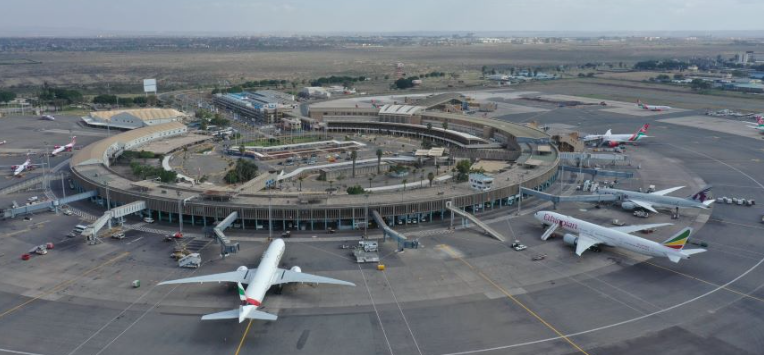
Fresh questions are emerging over the government’s handling of the multi-billion-shilling Jomo Kenyatta International Airport (JKIA) expansion project after reports revealed that a Chinese firm is set to lead the airport’s modernization and upgrade.
The project, which is expected to transform Kenya’s largest and busiest airport, has become the subject of growing controversy amid allegations of secrecy, limited public disclosure, and concerns over the procurement process.
Civil society organizations, lawmakers, lawyers, and governance activists are now demanding that the government fully disclose the details of the contract, including the companies involved, the procurement process followed, and the total financial obligations taxpayers will shoulder.
The latest developments come as government agencies linked to the project continue to maintain silence despite mounting public interest and scrutiny.
According to reports, the contract for the modernization and expansion of JKIA has already been awarded and is expected to be formally signed in the coming days after the expiry of a mandatory review period that allows unsuccessful bidders to challenge the procurement outcome.
Sources familiar with the process indicate that the project could cost between KSh150 billion and KSh180 billion, depending on prevailing exchange rates, making it one of the largest infrastructure projects undertaken in the country in recent years.
Reports further suggest that two major Chinese firms — China Road and Bridge Corporation (CRBC) and Sinohydro — submitted bids for the lucrative contract, with indications that CRBC emerged as the preferred bidder.
The Ministry of Transport is reported to have overseen the procurement process, although official details regarding the award have yet to be publicly released.
The controversy has intensified following claims that the project may involve a partnership arrangement with a company reportedly linked to businessman Wicknell Chivayo, allegations that have fueled demands for greater transparency and accountability.
While no official confirmation has been provided regarding the involvement of any private partners, the reports have triggered calls for public disclosure of all entities associated with the project.
Several prominent leaders and organizations have raised concerns about the lack of information available to the public. Busia Senator Okiya Omtatah has questioned why Parliament and ordinary Kenyans have not been adequately informed about a project of such national importance.
The Consumers Federation of Kenya (COFEK) has also announced plans to challenge the contract through the courts, arguing that the public deserves full disclosure of all parties involved and the terms under which the agreement was awarded.
Other voices demanding transparency include governance groups, human rights organizations, and legal experts who argue that major public infrastructure projects must be subjected to public scrutiny to safeguard accountability and prevent potential abuse of public resources.
The debate comes months after the Kenya Airports Authority (KAA) publicly denied reports that India’s Adani Group had been awarded the JKIA expansion project. At the time, government officials maintained that plans to modernize the airport were still under consideration.
The expansion project is expected to significantly increase JKIA’s capacity as Kenya seeks to strengthen its position as East Africa’s leading aviation hub.
Government projections indicate that the airport’s annual passenger handling capacity could grow from the current 8.9 million passengers to approximately 22.3 million passengers by the year 2045.
The first phase of the project is expected to raise passenger capacity to about 12 million annually within the next 18 months while improving terminal facilities, passenger experience, cargo handling capabilities, and overall airport infrastructure.
Supporters of the project argue that the upgrade is necessary to accommodate growing passenger traffic, attract more international airlines, boost tourism, and support Kenya’s broader economic ambitions.
However, critics maintain that the benefits of the project cannot outweigh the need for transparency, especially given the scale of public resources involved.
As pressure continues to build, many Kenyans are now demanding answers to a simple question: if the JKIA expansion is in the national interest, why has so much of the procurement process remained hidden from public view?
With legal challenges already being discussed and public scrutiny intensifying, the coming days are likely to determine whether the government releases more details about one of the country’s most significant infrastructure projects or faces an even bigger battle over transparency and accountability.