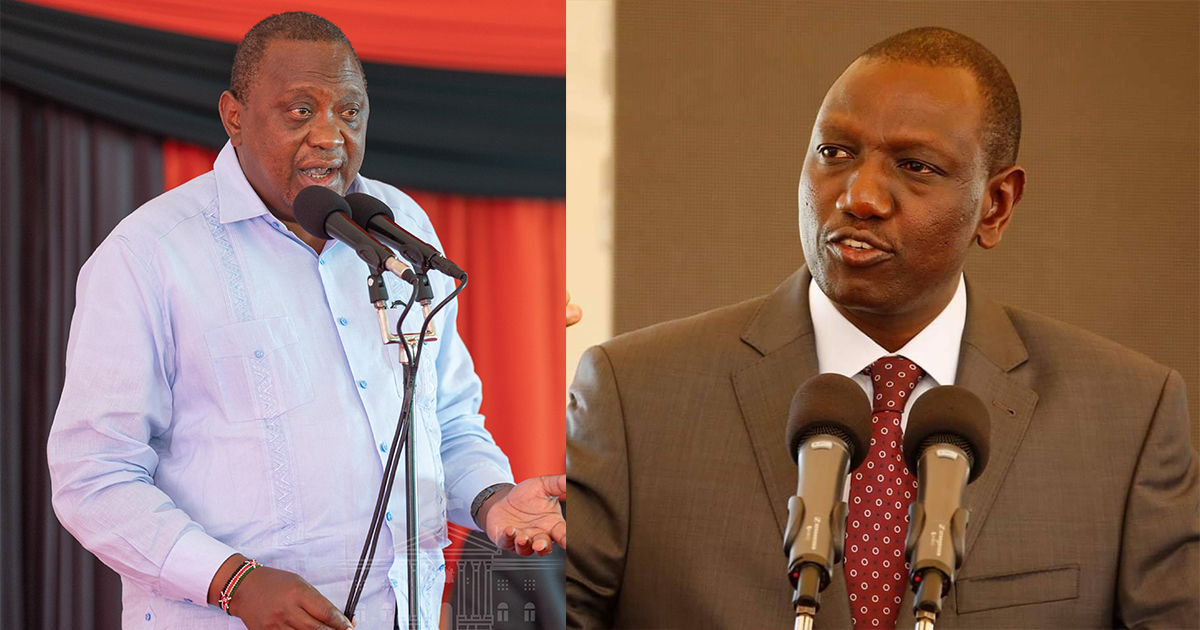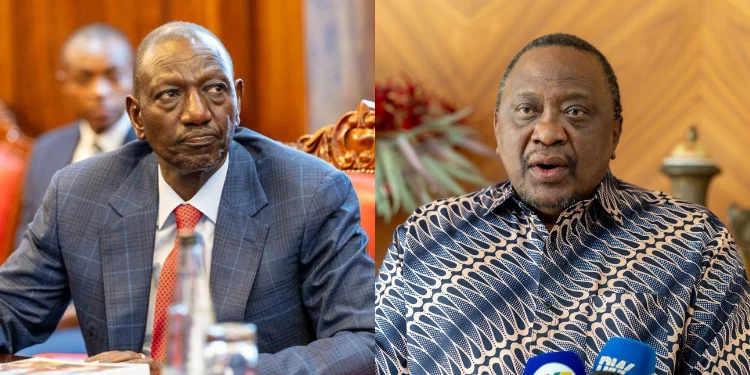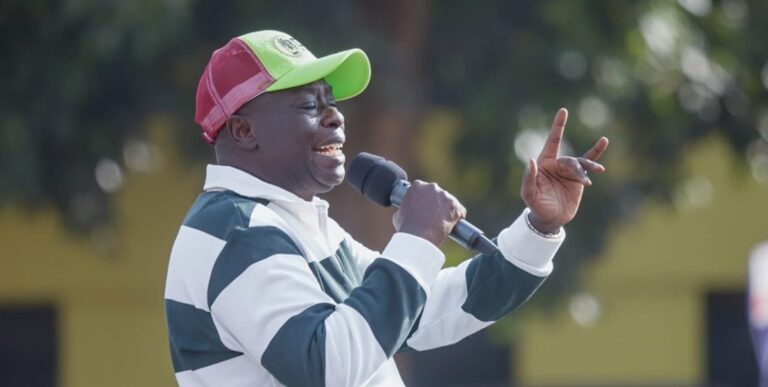
Ruto-Natembeya Clash Deepens as Masinde Muliro Market Becomes Political Battleground


A growing political standoff between President William Ruto’s administration and Trans Nzoia Governor George Natembeya has taken a new turn, with the Masinde Muliro Market in Kitale emerging as the latest flashpoint in a dispute over development, leadership and political credit.
The disagreement intensified after the Trans Nzoia County government moved to allocate market stalls to traders ahead of President Ruto’s planned official opening of the facility. County officials allocated spaces to thousands of traders on October 10, while the President is scheduled to officially open the market on October 16. Tuko.co.ke – Kenya news.
The move has been viewed against the backdrop of increasingly sharp exchanges between Ruto and Natembeya over development projects in Trans Nzoia.
The national government has accused the governor of frustrating or obstructing national government projects in the county, while Natembeya has pushed back, accusing the national administration of attempting to take political ownership of projects and undermine the county government.
The Masinde Muliro Market has become particularly sensitive because of its history. The project was initiated during the administration of former Trans Nzoia Governor Patrick Khaemba and was officially opened in August 2022, with the project involving the county government and the World Bank. The earlier facility was reported to have cost about Sh840 million and included more than 3,000 stalls. The Star
The market later faced delays and additional construction requirements. By February 2026, reports indicated that the facility was more than 95 per cent complete, with the county government having provided most of the funding while the national government agreed to support the completion of outstanding works. The Star
That history has now become central to the competing claims over who deserves credit for delivering the facility to traders.
Natembeya’s administration has maintained that the county played a significant role in moving the project forward. The county has also previously been involved in plans to allocate thousands of business spaces at the market, with officials saying the process should be transparent and give genuine traders an opportunity to secure stalls.
The county’s latest allocation of stalls has therefore added another layer to the dispute. According to reports, 2,700 traders benefited from the latest allocation, giving them access to the modern trading facility ahead of the President’s planned launch. Tuko.co.ke – Kenya news.
The disagreement goes beyond the market itself.
President Ruto has repeatedly criticised Natembeya, with the national government accusing the governor of concentrating on his political activities rather than working closely with the administration on development programmes in Trans Nzoia.
Natembeya, on the other hand, has strongly rejected the criticism and accused the national government of using development projects as a political tool.
The governor has also questioned the national government’s contribution to the market’s completion, including claims surrounding a promised financial contribution. Those claims have become part of the broader argument over which level of government should receive recognition for completing the project.
The dispute illustrates one of the recurring challenges of Kenya’s devolved system of government, where national and county administrations can sometimes find themselves competing over projects implemented within counties.
Development projects can carry significant political value, particularly when they directly affect traders and residents. A modern market can provide thousands of people with formal business spaces, improve the appearance of a town and increase economic activity. Consequently, control over the project’s launch and implementation can become politically significant.
For traders, however, the immediate concern is whether the market will provide reliable and affordable business spaces rather than which politician receives credit.
The Trans Nzoia County government has previously said that market spaces should be allocated fairly and directly to genuine traders rather than landlords or cartels. In 2024, Governor Natembeya said displaced traders would receive consideration in the allocation process.
The county has also described the market as an important part of its efforts to improve trading conditions in Kitale.
Meanwhile, the national government has presented its involvement as part of President Ruto’s broader programme of completing stalled development projects under the Bottom-Up Economic Transformation Agenda.
A government update in July said the market had surpassed 95 per cent completion and was being prepared for handover to traders. The government said completing stalled projects was part of its wider development agenda. Nairobileo
With the official opening still scheduled, attention is now focused on whether the competing political positions will overshadow the facility’s intended purpose.
The Masinde Muliro Market was ultimately built to serve traders and stimulate economic activity in Kitale. But its history, financing and completion have now placed it at the centre of a wider political contest between the national and county governments.
As Ruto and Natembeya continue to exchange accusations, the market has become a visible symbol of the broader struggle over development ownership and political influence in Trans Nzoia.
For residents and traders, the hope is that the political rivalry will not interfere with the market’s operations and that the facility will deliver the economic opportunities promised when the project was first conceived.