Why Uhuru Remains a Key Target in Ruto’s 2027 Political Strategy

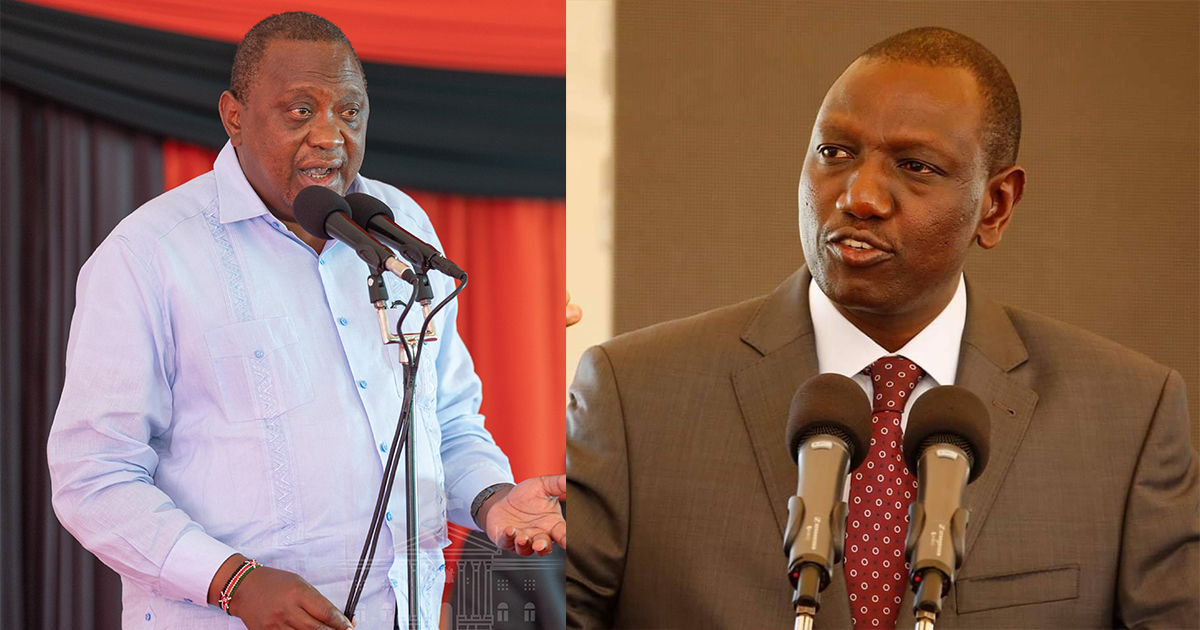
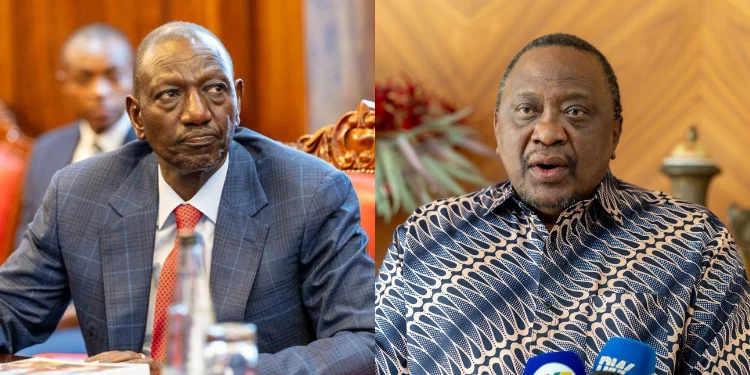
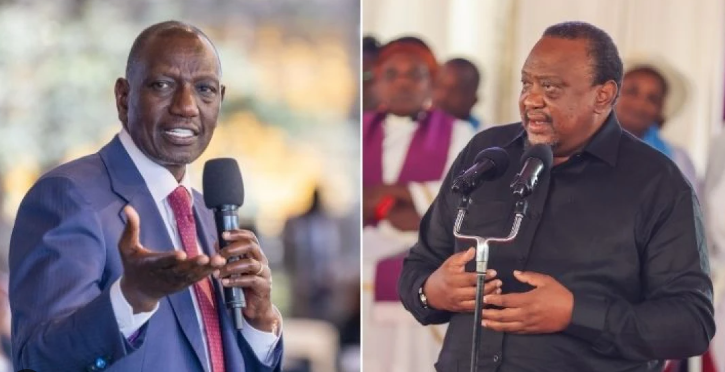
President William Ruto has intensified his attacks on retired President Uhuru Kenyatta, reopening one of the most bitter political rivalries in Kenya and raising questions about why the former president has once again become a central target of the administration’s political messaging.
During his ongoing North Rift tour, Ruto accused Uhuru of betraying him after years of political cooperation and described him as a political conman. The President also warned opposition figures working with the retired president that they could suffer the same fate he says he experienced. Citizen
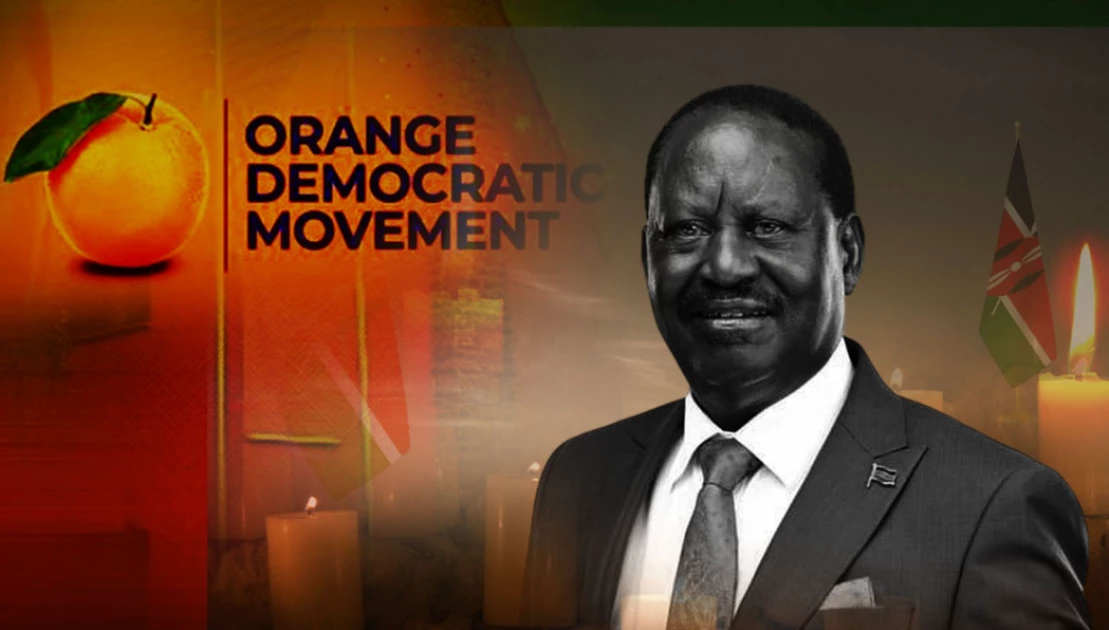
The renewed confrontation comes as Kenya moves closer to the 2027 General Election and follows Uhuru’s recent assertion that he still believes the late Raila Odinga won the 2022 presidential election. That claim has reopened a highly contested political debate, despite the official declaration of Ruto as the winner and the Supreme Court’s decision upholding the result. The Star
Ruto’s latest comments appear to be rooted partly in the collapse of his political relationship with Uhuru during their second term in office.
The two men worked together closely after the 2013 and 2017 elections, with Ruto serving as Uhuru’s deputy president for the entire 2013–2022 period. Their relationship, however, deteriorated dramatically during Uhuru’s second term, particularly after the 2018 political handshake between Uhuru and Raila and the former president’s eventual decision to support Raila’s presidential bid in 2022.
Ruto now argues that there was an understanding that Uhuru would serve for 10 years before supporting him for another decade. During his North Rift tour, he claimed that he stood with Uhuru during the 2013 and 2017 presidential campaigns but was abandoned when he sought the presidency himself. Nation Africa
The accusations have become increasingly personal.
Ruto has not only criticised Uhuru’s political decisions but has also questioned the former president’s current engagement with opposition leaders. He has accused Uhuru of supporting efforts to undermine his administration and warned politicians working with him to be cautious.
The President’s renewed focus on Uhuru has generated debate among political analysts over whether the attacks are part of a deliberate strategy ahead of the 2027 election or a continuation of unresolved differences dating back to their time in government.
Some analysts cited in the report argue that Ruto may be responding to the growing political activity around Uhuru, particularly his role in bringing together figures opposed to the current administration.
Uhuru is no longer an elected political office holder and is not seeking the presidency in 2027. However, his influence remains politically significant, particularly because of his former position as president and his continued relationships with leaders across different political formations.
Recent reporting has pointed to Uhuru’s behind-the-scenes role in efforts to bring opposition figures together against Ruto, making him an important figure in the emerging 2027 political contest despite his retirement from active electoral politics. The Star
That influence may help explain why the former president remains a recurring subject of Ruto’s political speeches.
The situation has also become more complicated because of the debate surrounding the 2022 election.
In September, Uhuru said he remained convinced that Raila won the election, a position that directly challenges the official outcome. The Independent Electoral and Boundaries Commission declared Ruto the winner, and the Supreme Court subsequently upheld the result. People Daily
Ruto’s latest attacks therefore come at a time when the two leaders are once again offering sharply different accounts of their political history.
For Ruto, the central issue is betrayal and the collapse of an alleged succession understanding. For Uhuru and his allies, the focus has increasingly shifted toward the performance of the current administration and the political direction of the country.
Critics of Ruto argue that repeatedly attacking a retired president risks diverting attention from problems facing his own government.
Among the issues competing for public attention is the ongoing university lecturers’ strike. The industrial action began on October 2, 2026, amid a dispute over the 2025–2029 Collective Bargaining Agreement. Negotiations have remained unresolved, with the government maintaining that arrears under previous agreements have been cleared. Education News
Other political critics have similarly accused the administration of shifting blame toward the previous government rather than focusing on issues such as the cost of living, unemployment, healthcare and education. Opposition leaders made similar accusations against Ruto earlier this year. The Eastleigh Voice
But the political significance of Uhuru cannot easily be dismissed.
His influence in the Mount Kenya region remains an important factor in discussions about the 2027 election. Political analysts cited in the report argue that the region’s voting direction cannot simply be assumed to belong to either Ruto or Uhuru’s camp.
The situation could become even more complicated if other influential figures from the region, including former Deputy President Rigathi Gachagua, play a major role in shaping the political choices of Mount Kenya voters.
Ruto’s political relationship with the region has already undergone significant changes since the 2022 election. His latest attacks on Uhuru could therefore be aimed not only at the former president himself but also at shaping the political narrative among voters who once strongly supported the two men when they worked together.
With the 2027 election approaching, political parties and alliances are increasingly positioning themselves, while former allies are reassessing their relationships. Ruto has already begun using his public appearances to rally support for his re-election, including during his current North Rift tour, where he has challenged his political base to increase its vote tally in 2027. Nation Africa
Whether the attacks on Uhuru will benefit Ruto politically remains uncertain. What is clear is that the political divorce between the two former allies has not ended.
Instead, their old disagreements over succession, the 2022 election and political loyalty have returned to the centre of national debate.
For now, Uhuru remains outside the ballot while Ruto prepares to defend his presidency. Yet the retired president’s continued influence and involvement in opposition politics appear to have ensured that their political rivalry remains relevant.
As the 2027 contest takes shape, the question may no longer simply be why Ruto is attacking Uhuru. It is whether the continuing feud between the two former partners will influence the alliances, voting patterns and political realignments that eventually define Kenya’s next presidential election.