Raila Odinga’s Death Leaves Power Vacuum, Raises Questions Over Ruto’s Stability


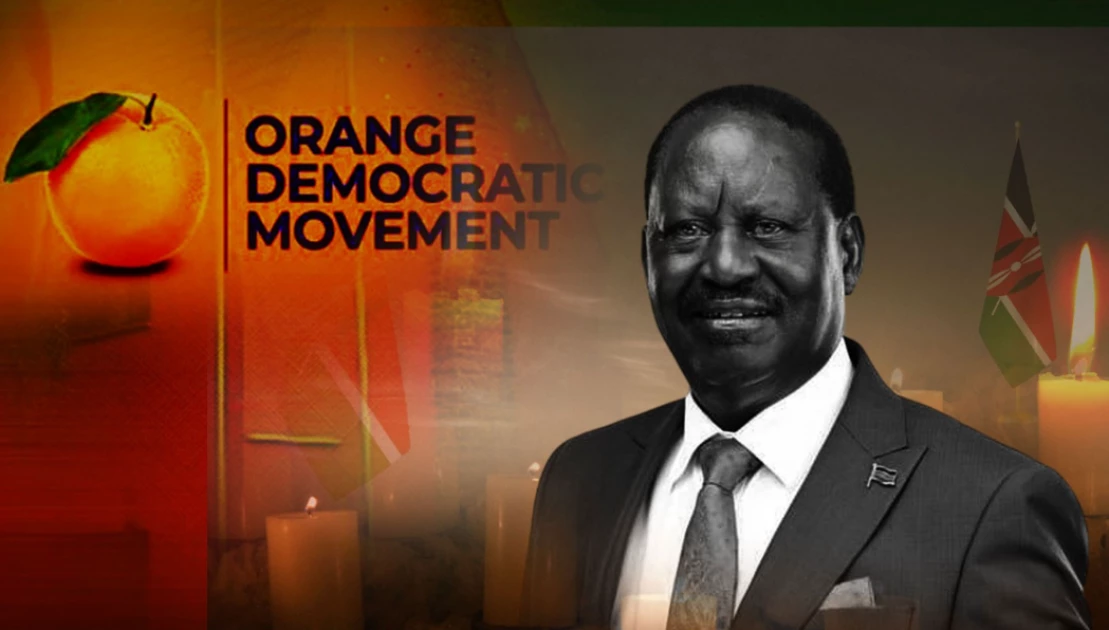
Kenya has entered one of the most unpredictable moments in its political history following the death of former Prime Minister Raila Amolo Odinga. For decades, Raila was not just a political figure—he was the gravitational force around which Kenya’s opposition, political negotiations, and even national stability revolved. His death has opened a dangerous political vacuum, one that threatens to shake the very foundations of President William Ruto’s administration.
For years, Raila was the only political figure who could challenge power without collapsing the nation. He was the balance between state power and public outrage—the one man who could calm protests with a single statement or ignite a political revolution with just a rally. Whether you loved him or hated him, Raila was an institution. And now, that institution is gone.
Ruto’s Silent Nightmare
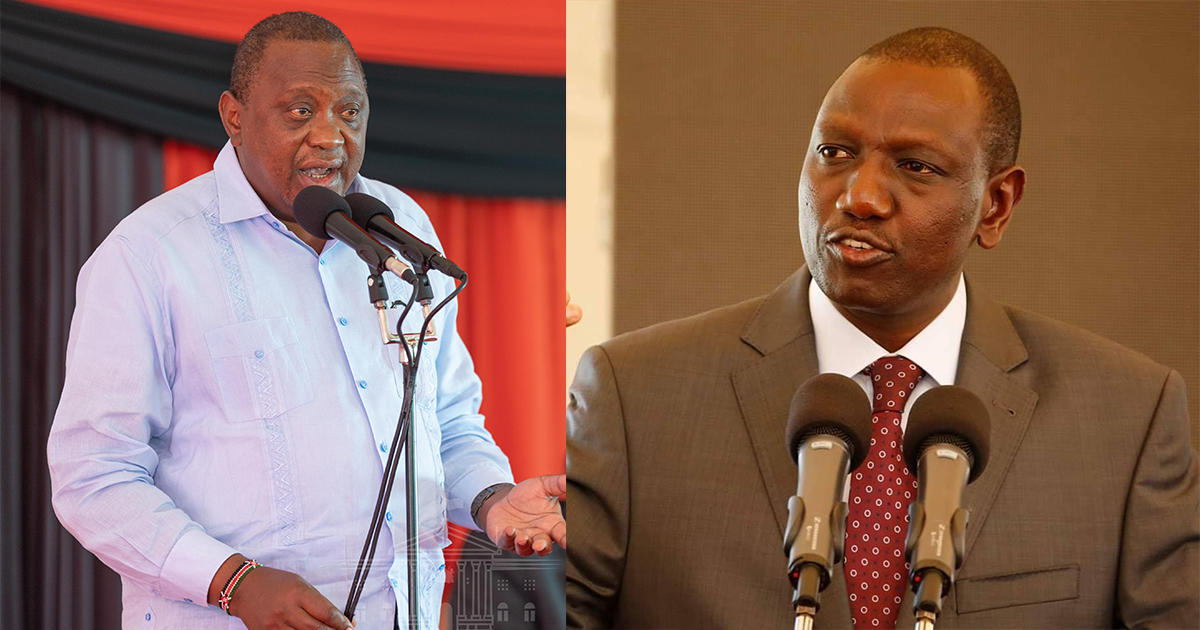
State House may have issued the usual condolences, but behind the scenes, Raila’s death is causing political discomfort for President Ruto. With Raila alive, the government had a recognizable opponent to negotiate with—someone predictable, structured, and powerful. Now, Kenya’s anger no longer has a single outlet. It is uncontained, leaderless, and potentially volatile.
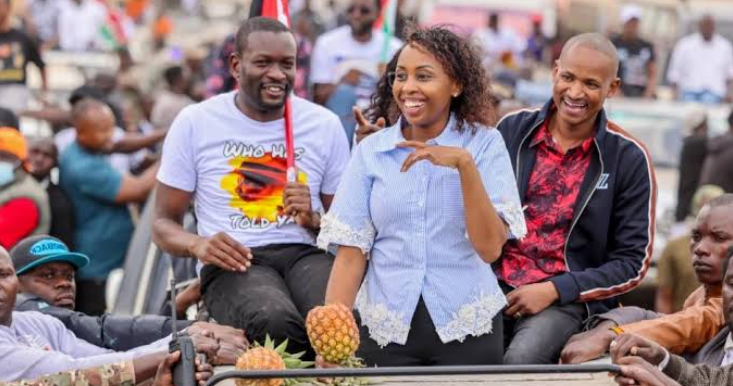
Raila kept the political battlefield civilized. He controlled political emotions and gave Kenyans hope that change could still come through democracy. Now the question is: who will take charge of the streets? Who will speak for millions who feel excluded, overtaxed, and betrayed? Without Raila, political pressure may explode uncontrollably—especially among the restless youth who already proved their power during the Gen Z protests.
The Fragmentation of the Opposition
The opposition is now headless. Wiper leader Kalonzo Musyoka, Narc Kenya’s Martha Karua, DAP-K’s Eugene Wamalwa, and other Azimio figures will all attempt to fill Raila’s shoes—but none of them command his national loyalty or emotional authority. The Luo Nyanza vote block is now the biggest political prize in Kenya, and the succession battle has just begun. Will it go to Raila Junior, Winnie Odinga, or a seasoned politician like Opiyo Wandayi or James Orengo? Either way, it will be messy.
2027 Just Changed Forever
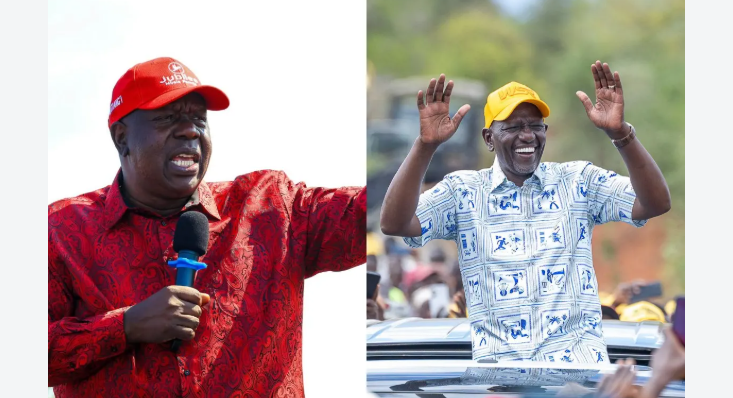
With Raila out of the picture, 2027 becomes a political minefield. President Ruto will face an angry, reorganizing public without a clear opposition leader to negotiate political peace. Former Deputy President Rigathi Gachagua has already been positioning himself as defender of Mt. Kenya. Kalonzo Musyoka will fight to inherit the opposition. Governors like Wanga and Nyong’o will step forward. But nobody yet has Raila’s influence to calm the streets or strike grand bargains.
Kenya in Transition
This is more than just a political story—it’s a historic turn. Raila Odinga shaped Kenya’s multi-party democracy, risked detention and exile, battled five elections, survived assassination attempts, and became the face of resistance. His death leaves Kenya exposed—uncertain, emotionally raw, and politically unanchored.
The coming months will determine whether Kenya moves toward reform or disorder. Raila’s death is not just the end of a political career—it is the beginning of a dangerous power struggle.
The question that now defines Kenya is simple but terrifying: Without Raila, who holds the country together?