Ruto’s State of the Nation: The Two-Term Chant That Drowned Out the Nation’s Pain

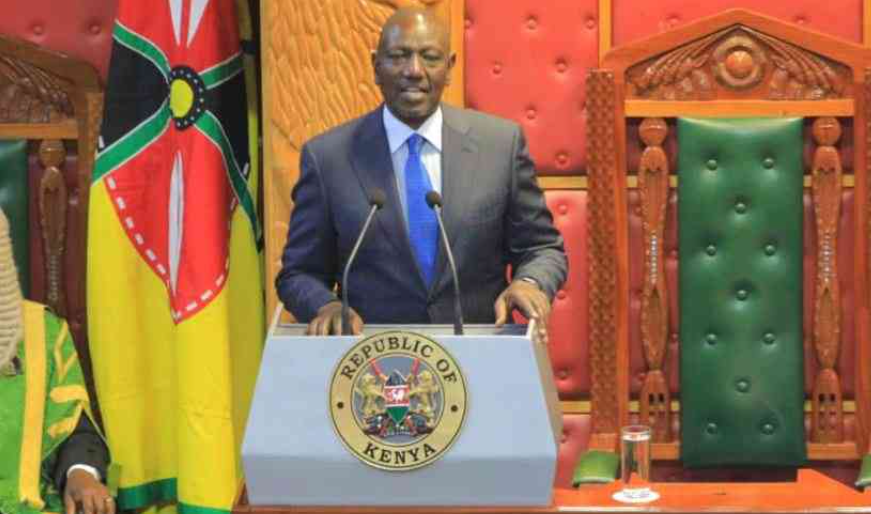
President William Ruto’s third State of the Nation Address was not merely a report; it was a carefully orchestrated political spectacle. While the speech, at over an hour long, was liberally laced with polished statistics, selective truths, and yet another wave of grand promises, the most telling moment was the political cheering section. As the President delivered his upbeat report card, his allies broke into chants of ‘two term’, turning the serious constitutional address into an early campaign rally that opposition leaders immediately dismissed as self-congratulatory fanfare.
MPs chanting ‘two term’ as Ruto cherry-picked data hiding pain of a troubled nation, perfectly captures the stunning disconnect on display. The President and his supporters seemed fixated on political longevity and a narrative of recovery, even as they deliberately skirted the troubled areas that matter most to struggling Kenyans.
The “polished statistics” presented—citing inflation falling to 4.6%, the Shilling stabilizing at Sh129 against the dollar, and maize flour prices dropping to below Sh150 per 2kg packet—attempted to paint a picture of economic mastery. Yet, this narrative is divorced from the lived reality of many households. For ordinary citizens, the macroeconomic gains are canceled out by the relentless burden of rising costs, escalating taxation, and the implementation of deeply unpopular policies.
The core of the critique is that the address failed to offer any meaningful acknowledgement or plan to address the real sources of public anger: the crushing weight of the Housing Levy, the systemic issues plaguing the rollout of the Social Health Insurance Fund (SHIF), and the unaddressed concerns of the youth-led protests (Gen Z) that erupted over corruption and economic strain. The event in Parliament was therefore seen less as a State of the Nation report and more as a forceful display of political ambition, prioritizing a ‘two-term’ future over the immediate suffering of the present.