Government Plans to Use Housing Levy as Security for Sh100 Billion Loan

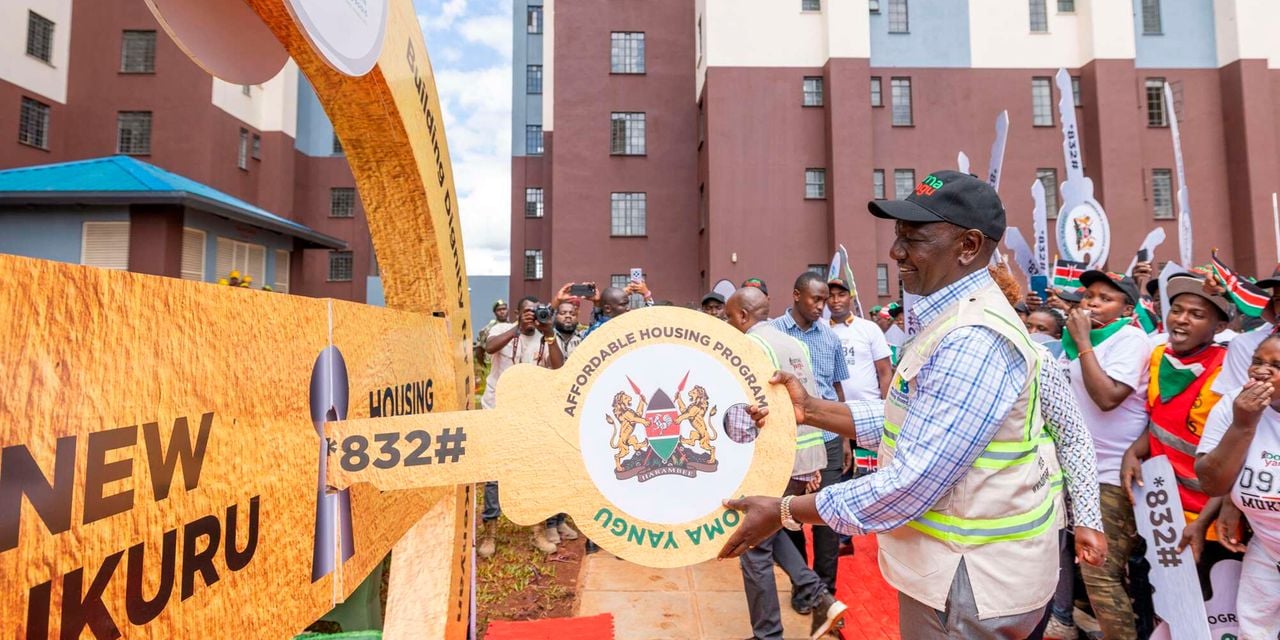
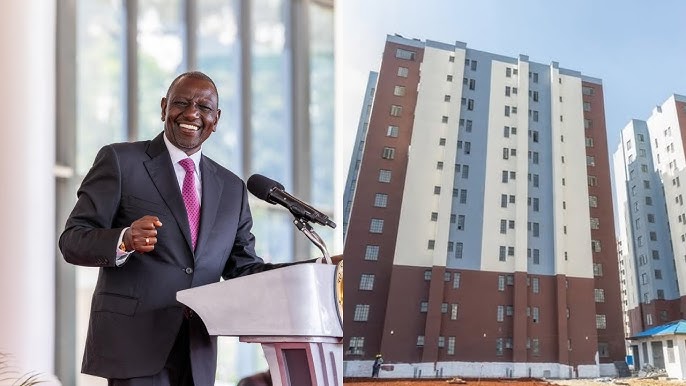
The controversial Housing Levy could become a permanent feature in Kenyan payslips after the government unveiled plans to use the fund as security for a massive Sh100 billion loan aimed at financing affordable housing projects across the country.
According to a new parliamentary report, the State Department for Housing intends to securitize future Housing Levy collections in order to unlock financing from development partners. The proposal is part of efforts to bridge a staggering Sh118 billion budget deficit that threatens the implementation of the government’s ambitious affordable housing programme.
Under the plan, future revenue generated from the Housing Levy would be used as collateral to guarantee loan repayments, effectively allowing the government to borrow against expected contributions from workers and employers. The move could provide immediate funding for housing projects but has also raised concerns about the long-term implications for taxpayers and contributors.
Supporters of the proposal argue that the financing arrangement would accelerate the construction of affordable housing units, create jobs, stimulate economic growth, and help address Kenya’s housing deficit. They maintain that leveraging predictable levy collections could provide the government with access to much-needed capital without relying entirely on traditional borrowing methods.
However, critics warn that using the levy as security could lock future governments and generations of workers into servicing debt linked to the programme. Some analysts argue that securitization could make it difficult to abolish or significantly alter the levy in the future, as the revenue stream would already be committed to repaying long-term loans.
The proposal is also likely to reignite debate over the Housing Levy itself, which has remained one of the government’s most contested policies since its introduction. While supporters view it as a critical tool for funding affordable housing and expanding home ownership opportunities, opponents have repeatedly questioned its structure, transparency, and impact on workers’ incomes.
The parliamentary report indicates that the borrowing plan is being considered as part of broader efforts to sustain momentum in the affordable housing programme amid growing financial pressures. With construction costs rising and funding requirements increasing, the government is exploring alternative financing mechanisms to keep projects on track.
If approved, the Sh100 billion facility would rank among the largest funding arrangements linked to the Housing Levy since the programme was launched. The proposal is expected to attract intense scrutiny from lawmakers, economists, civil society groups, and taxpayers who will be keen to understand the long-term financial obligations associated with the arrangement.
As debate over the plan intensifies, one thing is clear: the future of the Housing Levy has once again become a major national conversation, with questions emerging about affordability, sustainability, public accountability, and the financial commitments that future generations of Kenyans may ultimately inherit.