Opposition Escalates Fight Against Laikipia Ebola Facility, Accuses Ruto of Misleading Kenyans

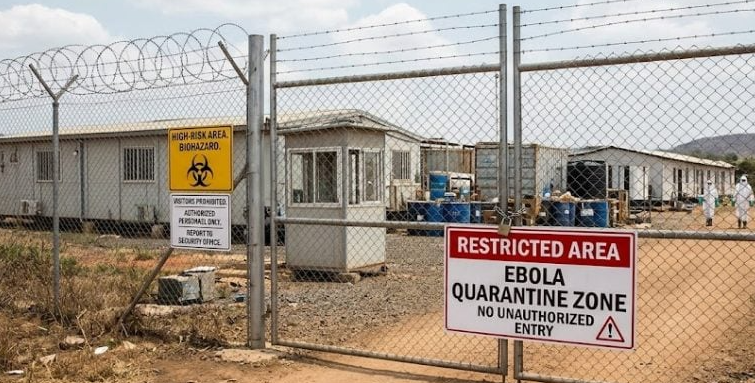
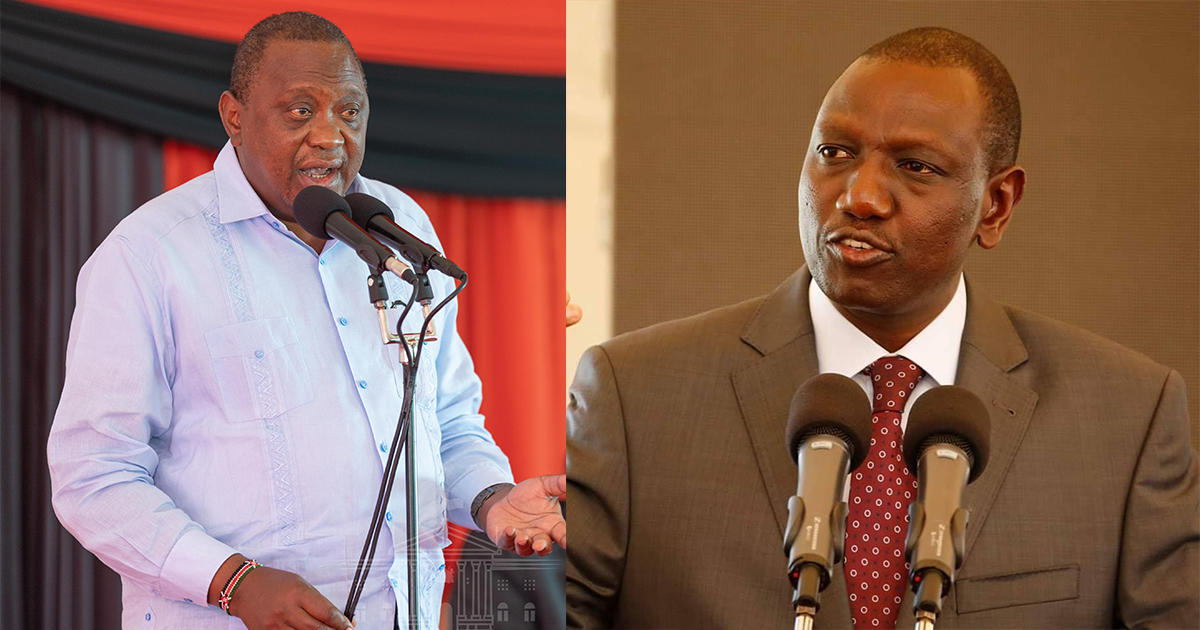
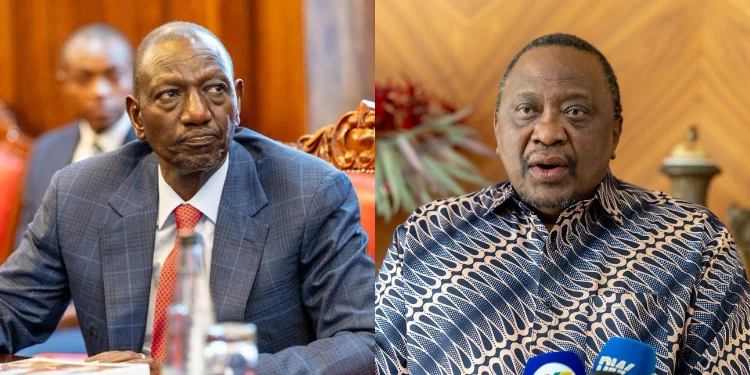
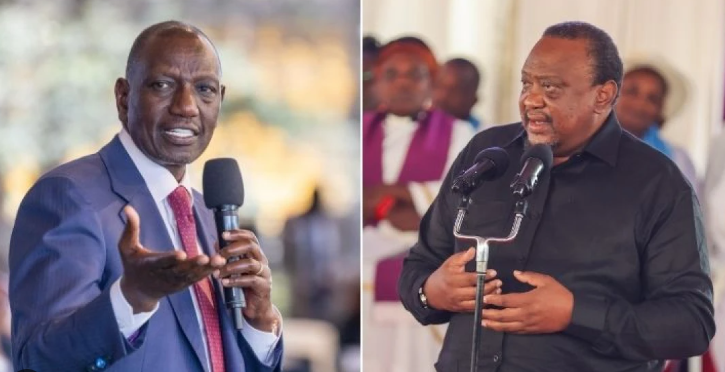
The political battle over the proposed Ebola quarantine facility at Laikipia Air Base has intensified, with opposition leaders accusing President William Ruto and Health Cabinet Secretary Aden Duale of misleading Kenyans about the purpose of the controversial project.
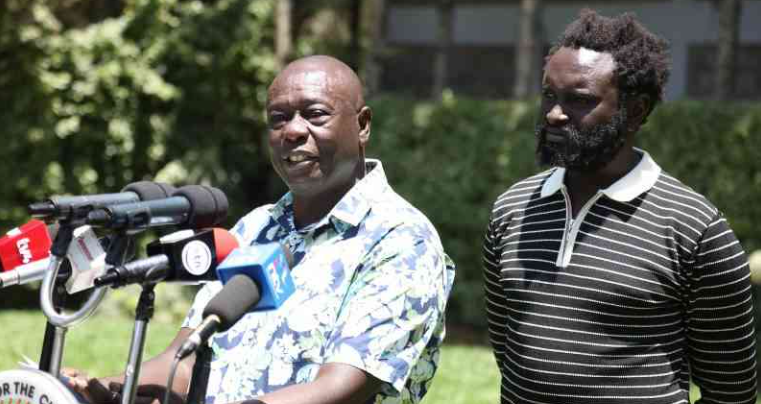
Speaking during a press briefing, opposition figures claimed that official statements from the United States indicate the facility is intended exclusively for American citizens exposed to Ebola, contrary to assurances from Kenyan government officials that the centre would benefit both Kenyans and foreign nationals. The opposition is now demanding that the government release all agreements signed with the United States and fully disclose the terms under which the facility is being established.
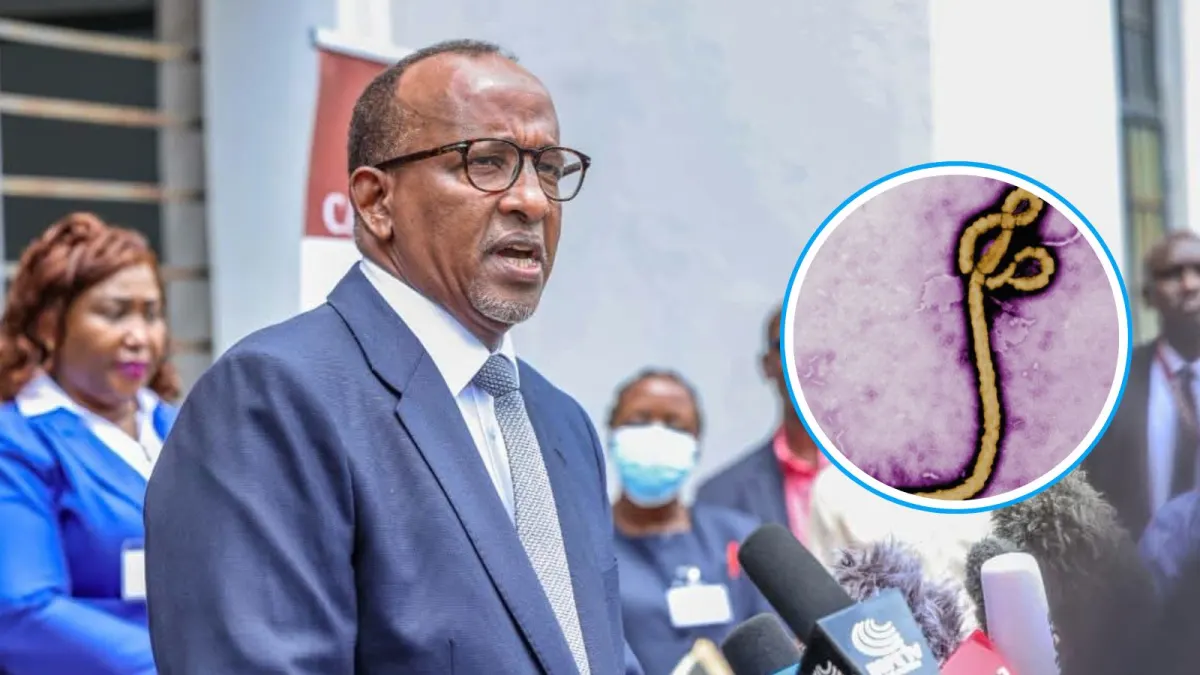
The dispute stems from conflicting accounts regarding the facility’s intended use. President Ruto and Health CS Aden Duale have repeatedly defended the project as part of a broader public health preparedness strategy that would strengthen Kenya’s capacity to respond to infectious disease outbreaks. Government officials have maintained that the facility forms part of long-standing health cooperation between Kenya and the United States.
However, reports from US officials have indicated that the 50-bed facility at Laikipia Air Base is primarily intended for American citizens who may be exposed to Ebola while working or traveling in outbreak-affected regions such as the Democratic Republic of Congo and Uganda. Reuters reported that a US official stated the facility would be staffed by American personnel and used to care for American citizens, a position that has fueled criticism from opponents of the project.
The controversy has already triggered nationwide protests, legal challenges, and public debate. In Nanyuki, hundreds of residents have demonstrated against the facility, arguing that Kenya should not bear the risks associated with quarantining foreign nationals exposed to a deadly disease when the country currently has no confirmed Ebola cases. The protests turned deadly earlier this week when two people were killed during clashes with security forces.
The High Court has since extended orders temporarily suspending the establishment and operation of the facility while directing the government to disclose agreements and operational protocols related to the project. Despite the court orders, reports indicate that equipment, personnel, and construction activities have continued at the site, further fueling public concern and political criticism.
Opposition leaders argue that the government’s handling of the matter has raised serious questions about transparency, sovereignty, and public participation. They insist that Kenyans deserve clear answers about who the facility is intended to serve, the obligations Kenya has undertaken, and the potential risks involved.
Meanwhile, President Ruto has continued defending the arrangement, describing it as a humanitarian responsibility and part of Kenya’s commitment to global health cooperation. The President has argued that refusing assistance to international partners during a health crisis would be inconsistent with Kenya’s long-standing role in regional and global public health efforts.
As legal proceedings continue and political pressure mounts, the Laikipia Ebola facility has evolved from a public health issue into one of the most contentious political debates currently facing the government. With protests growing and questions remaining unanswered, the controversy shows little sign of fading anytime soon.