Ol Kalou By-Election Turns Into Cash Splash as Rival Camps Intensify Campaigns


The Ol Kalou parliamentary by-election has emerged as one of Kenya’s most expensive political contests in recent years, with reports of widespread cash handouts and campaign giveaways as rival political camps intensify efforts to win over voters ahead of the July 16 poll.
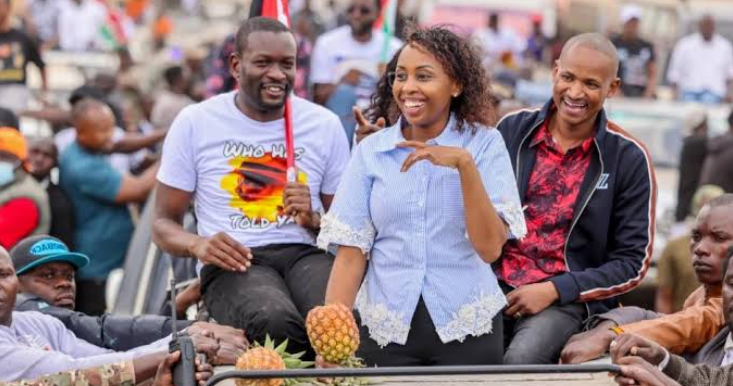
The once quiet constituency in Nyandarua County has transformed into a bustling campaign hub, with residents flocking to political rallies, campaign caravans, and public meetings where candidates and their supporters are reportedly distributing money and other incentives.
The scale of campaign spending came into sharp focus after Nakuru Town East MP David Gikaria publicly acknowledged spending KSh1.2 million during a campaign event, describing the expenditure as a “voter facilitation exercise.” His remarks have reignited debate over the role of money in Kenyan elections as campaigns enter their final stretch.
Across Ol Kalou, the economic effects of the political spending are already being felt.
At Tumaini Town, local business owner Helen Wanjiru says her small eatery has experienced a sharp increase in customers since campaign activities intensified. She proudly displayed an LPG gas cylinder she received during a political rally two days earlier, saying it has helped reduce her business expenses while allowing her to serve more customers.
According to Wanjiru, the influx of campaign money has also enabled many of her customers to settle outstanding debts that had accumulated over several months.
Outside her hotel, crowds gather each day waiting for campaign vehicles to pass through the town, hoping to receive money or campaign merchandise from competing political camps.
For many unemployed youth, the by-election has become an unexpected source of income. Some have abandoned their normal routines and devised creative ways to participate in campaign activities, moving from one political rally to another in search of financial rewards and other benefits.
The effects of the campaigns have also extended to the agricultural sector.
Farms that would ordinarily be bustling with activity have experienced a noticeable drop in labour as workers leave their jobs to attend campaign events.
“In normal occasions, you’d find several workers already hard at work at this point, but there’s only one today because of the campaigns.”
Residents say the campaign season has significantly boosted household incomes, with many families earning extra money through political mobilization, temporary campaign jobs, and increased business opportunities created by the heightened political activity.
As the day draws to a close, Ol Kalou’s entertainment spots come alive as campaign teams, residents, and supporters gather in bars and restaurants, further stimulating the local economy.
Business owners say sales have increased considerably as politicians, campaign staff, and supporters spend freely throughout the constituency.
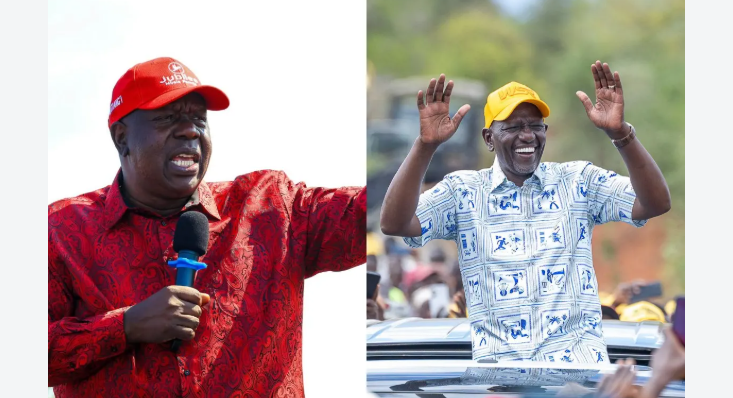
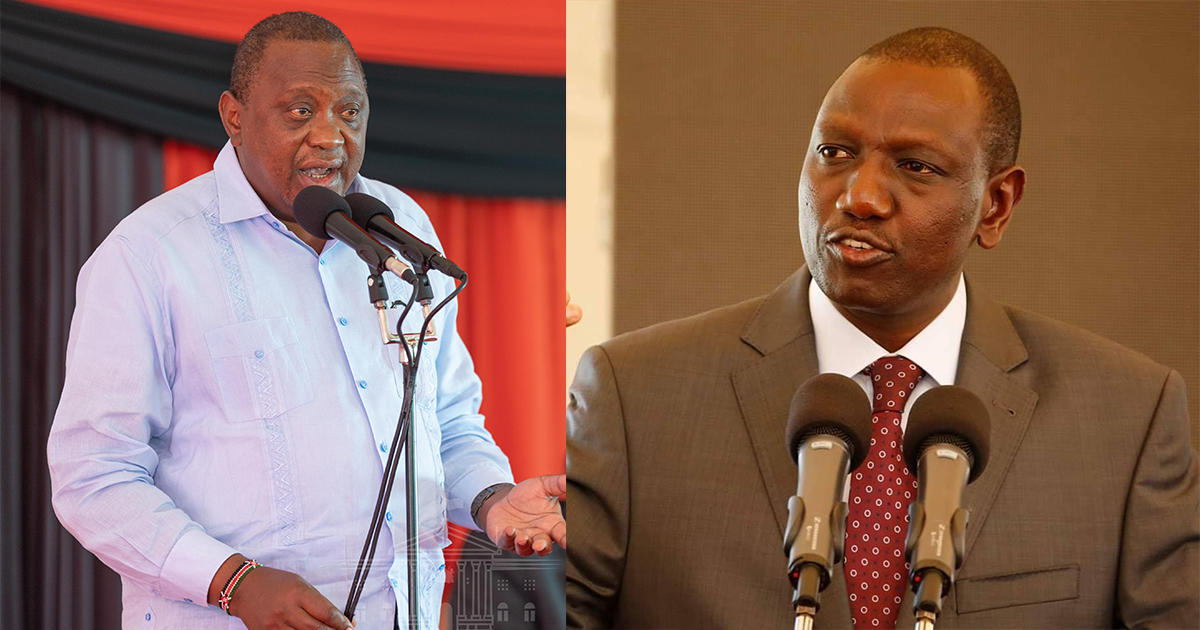
With only a few days remaining before the official campaign period comes to an end, both government-allied leaders and the opposition continue to intensify their efforts to court voters through rallies and grassroots mobilization.
While many residents acknowledge benefiting economically from the campaign spending, the growing flow of money has also renewed concerns over vote buying and the influence of financial incentives on electoral outcomes.
The Ol Kalou by-election, called following the death of former MP David Njuguna Kiaraho, is expected to be one of the country’s most closely watched electoral contests, serving as an important political test ahead of the 2027 General Election.