Ruto’s Mega-Pledge: The $863 Million Road Project Redefining Kenya’s Northern Corridor


President William Ruto has firmly placed infrastructure development at the core of his administration’s agenda, unveiling the monumental first phase of the Rironi to Mau Summit road upgrade. Spanning 233 kilometers of the critical Northern Corridor, this $863 million project is being heralded as a decisive move to solidify Kenya’s position as the regional logistics hub of East Africa and deliver on the promise of national transformation.
The decision to fast-track this project is a direct political and humanitarian response to a long-standing crisis on one of the country’s busiest routes. The steep, winding sections along the Kikuyu Escarpment have tragically earned the reputation of being a deadly blackspot, claiming 284 lives in 2024 alone. The government’s priority is not merely congestion relief, but the saving of human life. The new design—featuring safer dual carriageways and specialized extra lanes for commercial trucks and buses—is an uncompromising effort to mitigate risk and end the preventable carnage that has plagued this national artery for years. This investment demonstrates a political commitment to valuing citizen safety over all else.
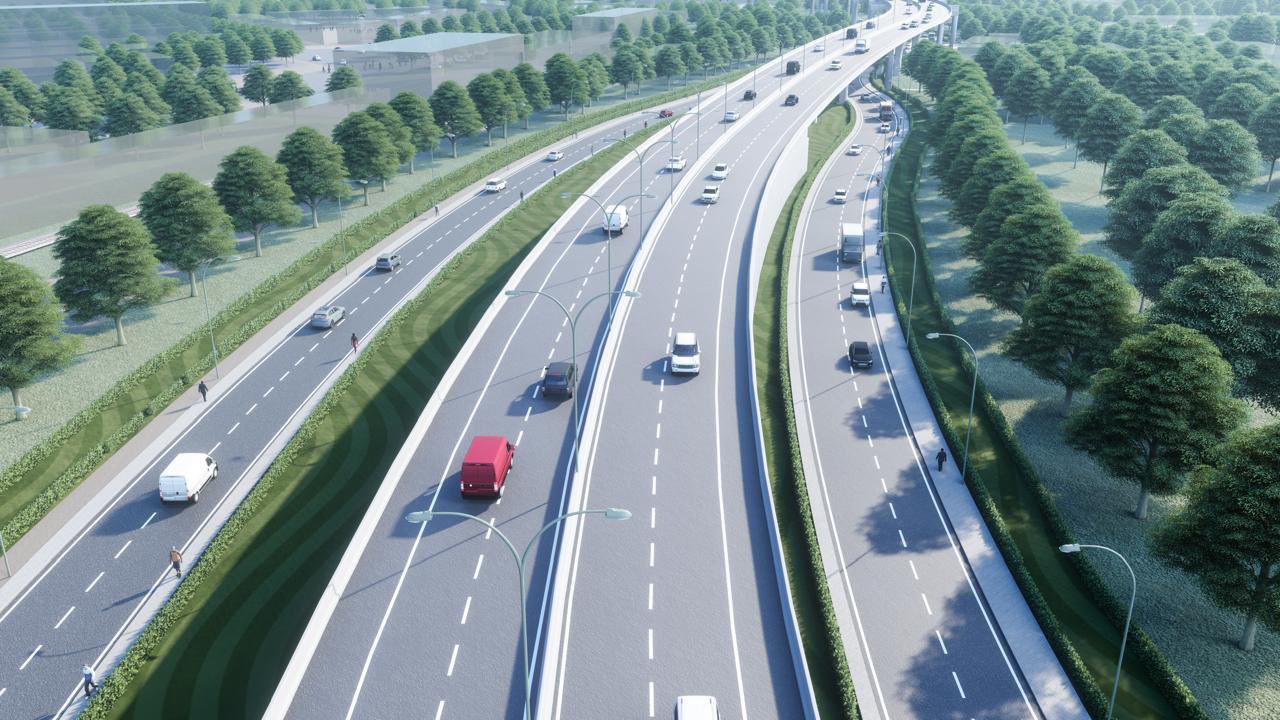
The upgrade, financed through a strategic China-Kenya partnership, is more than just tarmac and concrete; it is a significant engine of economic growth. The improved flow of goods will drastically reduce logistics costs and travel times to key agricultural and industrial zones like Naivasha (home to the Inland Container Depot) and Nakuru City. This enhanced efficiency will strengthen trade ties within the East African Community (EAC), making Kenya more competitive and reinforcing its role as the undisputed gateway to landlocked neighbours like Uganda, Rwanda, and the DRC. Furthermore, the project’s expectation of generating 10,000 local jobs provides a direct and immediate boost to the Bottom-Up Economic Transformation Agenda (BETA).
In a powerful declaration of his long-term vision, President Ruto framed the upgrade as a “gift for the next generation.” This single project is positioned as a pivotal step in a massive national blueprint: the construction of 30,500 kilometers of new roads by 2035. This ambitious plan—which leverages Public-Private Partnerships (PPP) to finance mega-projects—is a political statement that the administration refuses to settle for modest progress. By tackling such critical infrastructure needs, the government aims to lay the foundation for a truly industrialized and globally competitive Kenyan state, ensuring sustainable, generational prosperity built on a world-class transport network. The Rironi-Mau Summit road, therefore, represents a tangible commitment to the nation’s future and a powerful marker in the political history of infrastructure in Kenya.