
Apple’s First Foldable Demands $2,400 for a Completely Seamless Experience

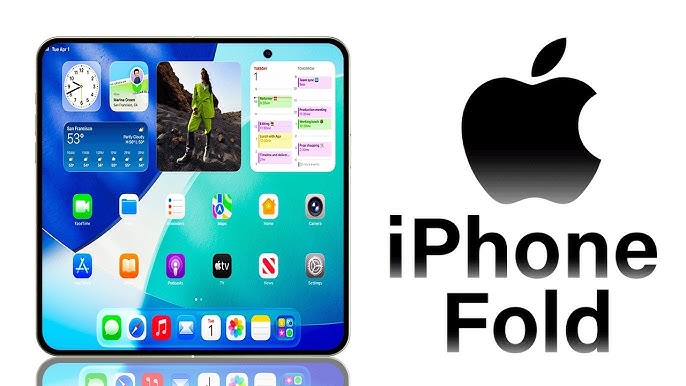
The long wait for Apple’s entry into the foldable market may finally be over, but you’d better start saving now. According to a new torrent of leaks from the supply chain, the device—likely to be called the iPhone Fold—is not only well on its way to a targeted 2026 launch, but it will arrive with two game-changing features: a truly crease-free display and a staggering $2,400 price tag.
The consensus from multiple reports is that Apple has achieved what no competitor has truly mastered: eliminating the visible crease that has plagued every foldable phone since the category began.
This isn’t a small victory—it’s the holy grail of foldable technology. While companies like Samsung and Google have successfully minimized the display seam, the iPhone Fold is rumored to be the first product to remove it entirely.
How did they do it? The secret reportedly lies in Apple’s proprietary engineering:
- Liquid Metal Hinge: Apple is said to be using a complex Liquid Metal component in its hinge. This material offers superior toughness and elastic properties, allowing the display to fold with a more gradual curve, effectively distributing stress and preventing the permanent screen deformation that causes a visible crease.
- Custom Panel Structure: While the main OLED panel is supplied by Samsung, the leaks emphasize that the panel structure, material processing, and lamination method are all custom-designed by Apple. This integrated approach ensures every component works in tandem to create a perfectly flat display when unfolded.
The new reports claim the device has moved past the experimental stage and is currently in Engineering Validation Testing (EVT), a critical step toward mass production.
The downside to this monumental engineering feat is the cost. Analysts, including those from Fubon Research, are pegging the base model of the iPhone Fold at nearly $2,400—a price that makes even the highest-tier current Pro Max iPhones look affordable.
For context: This makes the iPhone Fold approximately $400 to $500 more expensive than top-of-the-line foldable rivals from Samsung and Google, positioning it squarely in a new “Ultra-Premium” segment, a distinction Apple is clearly embracing.
The high price is justified by the specialized, custom components—especially the hinge and the crease-free display—plus soaring costs for premium materials like RAM and storage components.
Apple is clearly taking its time to enter the foldable race, but if these rumors hold true, the company is poised to redefine the market by solving the industry’s biggest flaw. The only question now is: Are consumers ready to pay the price of admission for a truly perfect foldable experience?