
Amenya Exposes Alleged Kenya-US Deal to Access ALL Citizen Health Records

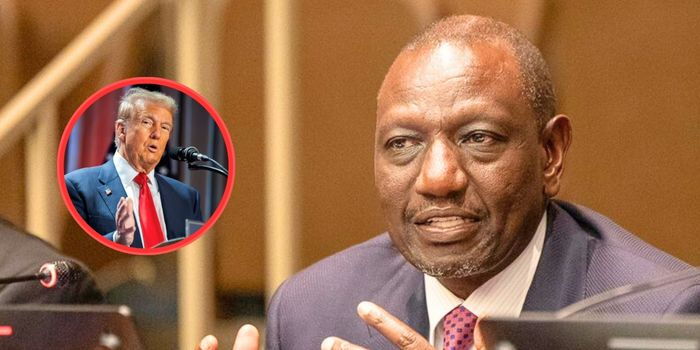
The activist credited with exposing the controversial Adani deal, Nelson Amenya, is back with another explosive allegation, this time targeting Kenya’s healthcare data. On Tuesday, December 2, Amenya alleged that the government is on the verge of signing a 25-year health security agreement with the United States—specifically, President Donald Trump’s administration—that he claims will compromise the private medical information of over 50 million Kenyans.
The core of Amenya’s exposé centers on what he describes as an “unconstitutional” deal that effectively surrenders Kenya’s health data and sovereignty to a foreign power in exchange for continued funding.
According to Amenya, the proposed agreement would grant the US government real-time, 24-hour system access to Kenya’s national health databases.
- Intrusive Access: This access would include incredibly sensitive personal records, such as HIV status, TB treatment, children’s vaccination history, and electronic medical records—everything, as Amenya puts it.
- Audits and Surveillance: The US would also reportedly gain the right to conduct random audits of 5% of Kenyan health facilities at its own discretion.
One of the most concerning claims is a clause Amenya highlighted that dictates the agreement would be governed entirely by US federal law.
Amenya asserts that this clause creates a massive loophole that renders Kenyan data protection laws useless:
“Your data protection rights simply don’t exist under this agreement. The Office of the Data Protection Commissioner becomes completely powerless to protect you,” he alleged.
He noted that the proposal directly contravenes the Kenya Data Protection Act, the Health Act, and the Digital Health Act, which mandate strict privacy and consent guidelines for health data processing and sharing.
The deal allegedly extends beyond digital data. Amenya claims that disease specimens obtained from Kenyan patients would be shared with approximately ten US pharmaceutical companies for vaccine development.
Crucially, he noted that the agreement contains zero guaranteed benefits for Kenya over the next 25 years in exchange for providing this fast and free access to its vital biological material.
Adding to the pressure, Amenya sensationally claimed that should President Ruto’s administration decline to comply with the wide-ranging requirements of the agreement, Kenya would face heavy funding cuts. This puts the government in a difficult position of balancing essential health funding against national data sovereignty.
Amenya’s revelations underscore the high-stakes debate surrounding global biosecurity partnerships, raising fundamental questions about who truly owns and controls a nation’s most sensitive information.


