
IEBC Proposes Early Voting for 600,000 Election Workers Ahead of 2027

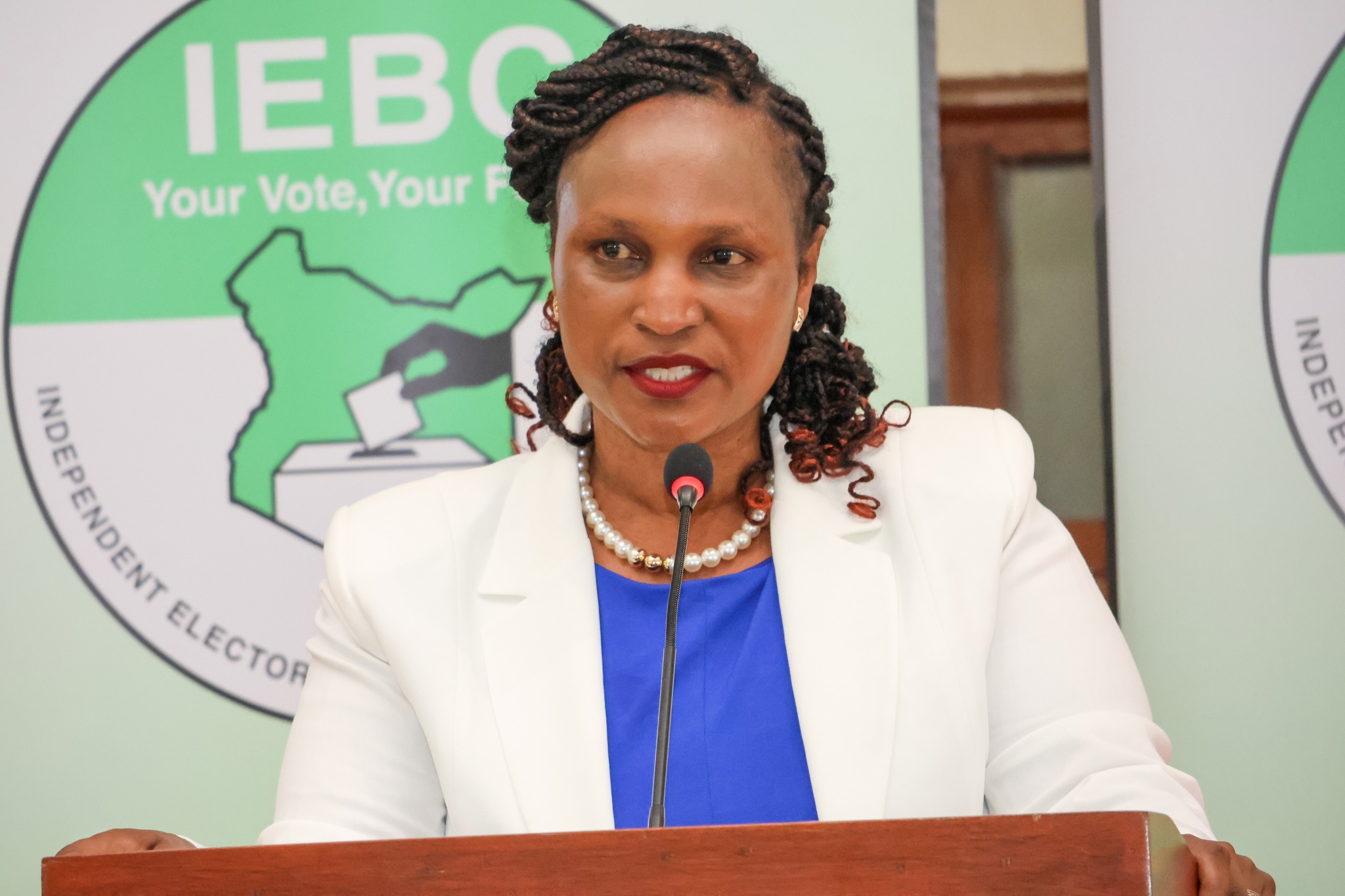
The Independent Electoral and Boundaries Commission (IEBC) has floated a significant reform: early voting for approximately 600,000 essential election staff. This substantial group includes polling clerks, security personnel, and other public servants whose duties require them to be deployed far from their registered polling centers on Election Day.
The paradox is clear: despite Election Day being a constitutional public holiday meant precisely for voting, these key personnel often miss their chance because of their essential assignments. The proposal aims to solve this by allowing eligible workers to cast their votes early, using the same robust safeguards as the main poll—identical ID checks, biometrics, and paper ballots, all sealed securely until the official count.
For proponents, this reform is a straightforward matter of franchise and fairness. It ensures that the very people who facilitate the election are not disenfranchised by their commitment to civic duty. Furthermore, the IEBC’s suggestion to pilot online voting for Kenyans abroad is seen as a necessary move toward modernization, aiming specifically to boost youth turnout and participation from the diaspora.
This perspective views early voting as a natural evolution of electoral management, ensuring the electoral process is inclusive of all citizens, regardless of their work assignment or geographic location.
However, the proposal has been met with significant skepticism, especially among those who feel the IEBC must prioritize foundational issues before introducing new, complex mechanisms. One user on Twitter crystallized this view: “Early voting is good, but IEBC should first fix the basics. Hatuwezi kuruka foundation. Clean registers, transparent tech, and credible tallying before new ideas. Otherwise it’s just window dressing.”
This critique highlights a persistent trust deficit. The argument is that introducing new, segregated voting pools (like early voters) without first securing public confidence in the core systems—voter registration and transparent tallying—only invites further suspicion and potential litigation.
The most potent skepticism revolves around the integrity of the early voting pool itself. The fact that the 600,000 votes would be sealed and counted later raises immediate alarms for critics, with one user openly questioning: “What are the odds the 600K votes will go to one candidate?”
This fear speaks to the enduring political sensitivity around any non-standard voting procedure in Kenya. There are immediate calls for tighter safeguards against misuse, particularly concerning the possibility of manipulating a large, predetermined block of votes. Furthermore, the Twitter observation that questions which 600,000 employees are actually working on a public holiday (“Wakora!”) reflects a deeper concern over the potential for the system to be exploited or misused by political operatives.
The IEBC’s path forward is clearly a delicate balancing act: how to achieve necessary inclusion and modernization without undermining the fundamental trust and transparency upon which the integrity of Kenyan elections rests.