Ruto Cuts Fuel Tax to 8% in Three-Month Economic Relief Plan

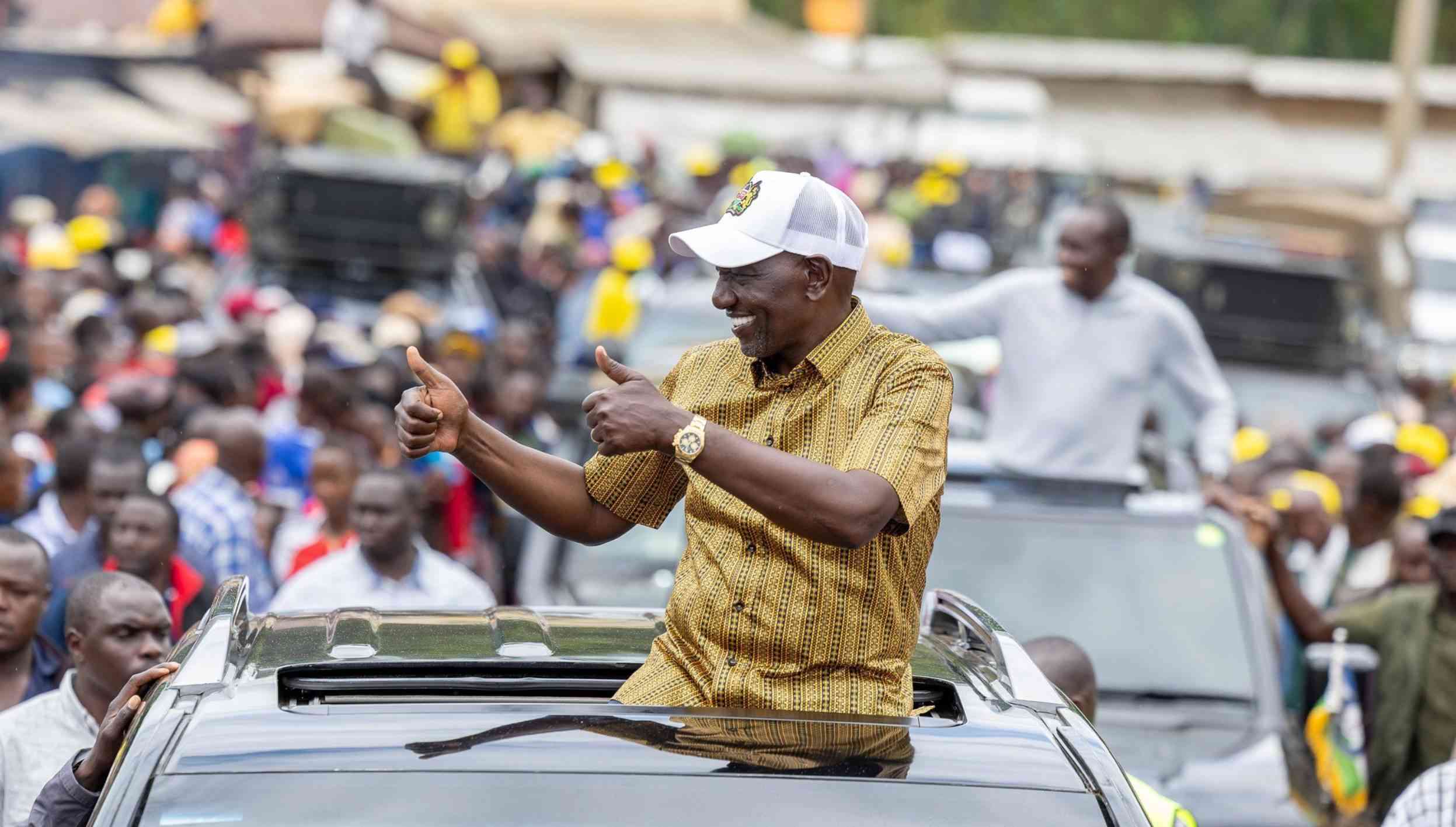
In a direct response to the escalating fuel crisis, President William Ruto has announced a temporary reduction in Value Added Tax (VAT) on all petroleum products. Speaking during his tour of Kisii County, the President revealed that the tax will be slashed from 16% to 8% for the next three months, effective from April 15th to July 14th, 2026. This move is designed to provide immediate breathing room for consumers following the record-breaking surge that saw petrol and diesel climb past the Sh200 mark.
The President’s announcement, however, has triggered a wave of regulatory confusion. While Ruto publicly committed to an 8% rate, a recently gazetted regulatory adjustment by the Treasury had initially set the rate at 13%. Despite this discrepancy, the government has moved forward with a broader stabilization plan, releasing Sh6.5 billion in funds specifically aimed at preventing further pump price spikes. As of tonight, super petrol in Nairobi stands at Sh206.97 per liter, while diesel is retailing at Sh206.84.
The current price adjustments highlight a stark contrast between Kenya and its East African neighbors. Data shows that the Kenyan motorist is currently carrying a significantly heavier financial burden compared to counterparts in Uganda and Tanzania. While Kenya’s diesel prices have surged by a massive Sh40 in a single cycle, Tanzania has seen a more manageable increase of Sh18, and Uganda has recorded a marginal rise of less than Sh7.
The “Fuel Paradox” is most visible at the retail level: in Uganda, petrol is currently averaging Sh184, while in Tanzania, it is priced at Sh190. These figures stand in sharp contrast to Kenya’s Sh206, raising critical questions about internal policy and regulatory frameworks. Analysts argue that while global shocks like the Middle East tensions affect the entire region, it is the domestic tax structures and importation strategies—such as Kenya’s controversial G-to-G deal—that ultimately dictate the final price at the pump.
The crisis has also fueled an internal political firestorm within the Ministry of Energy. Energy Cabinet Secretary Opiyo Wandayi has defended his record against growing calls for his resignation, attributing the current challenges to a “fight back” by powerful cartels within the oil industry. He insists that the government is working to dismantle these syndicates to ensure long-term stability.
However, the lack of clear communication between the Treasury and the Executive regarding the exact VAT percentage has left many businesses and transport operators in a state of limbo. As the three-month relief window begins, the focus remains on whether these “emergency” measures—the VAT cut and the Sh6.5 billion stabilization fund—will be enough to lower the overall cost of living or if they are merely temporary patches on a much larger systemic issue.