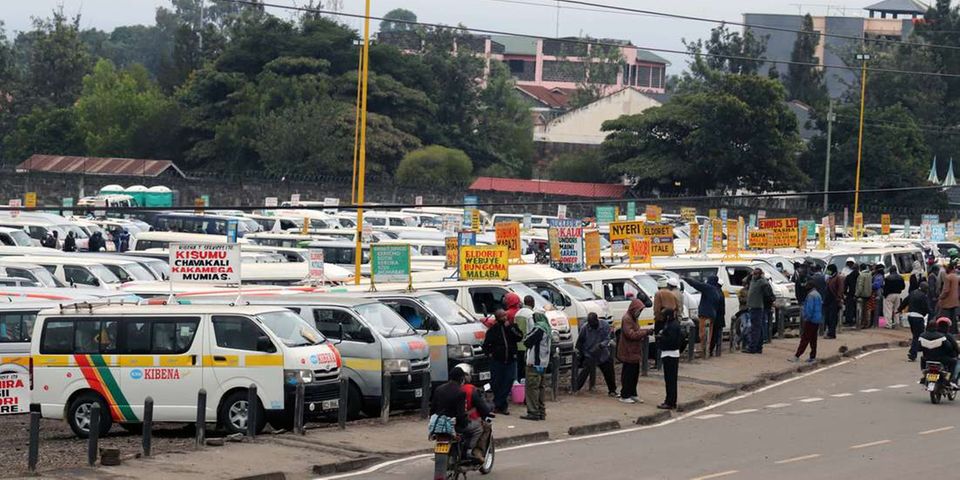
Babu Owino Rallies Kenyans for Mass Protests Over Sh200 Fuel Hike

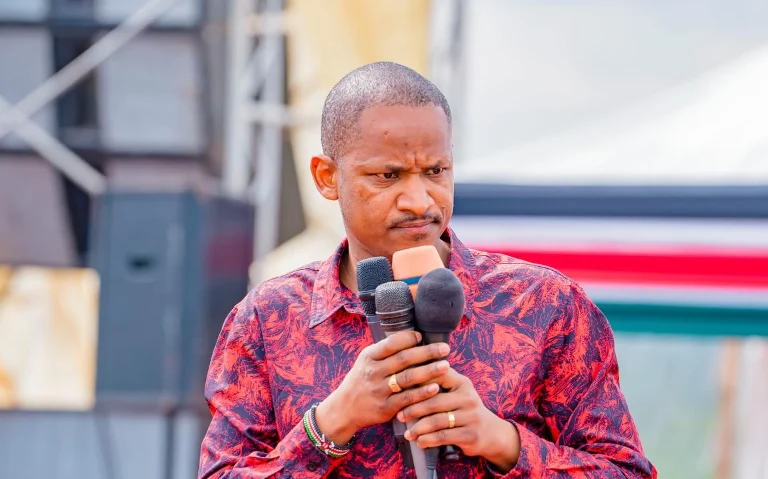
In a fiery address to the nation, Embakasi East MP Babu Owino has registered his profound disappointment and contempt for the government’s handling of the escalating fuel crisis. Following the record-breaking price hike that saw petrol jump by Sh28 and diesel by Sh43, the lawmaker has signaled a return to mass action. Babu Owino argued that the government has betrayed its own assurances—having previously promised a 14-day fuel reserve—only to surprise citizens with some of the highest price increases in Kenya’s independent history.
The MP’s message was clear: the time for dialogue has passed. “When this skyrocketing of prices of fuel will be implemented, this is the right time to call for Mandamano,” he declared, echoing the sentiments of many frustrated Kenyans. He characterized the current administration as a “disorganized kiosk” that operates on lies, claiming that the recent resignations of top ministry officials were mere smokescreens for deeper fraudulent activities. According to Owino, the proposed “adulterated” fuel that led to those resignations would have actually been cheaper than the clean fuel currently being sold at record highs.
Babu Owino highlighted the devastating ripple effect that the fuel surge will have on the common citizen, or Wanjiku. He pointed out that since fuel is a primary driver of the economy, the increase will automatically inflate the cost of transport, which in turn raises the price of everything from fertilizer to the final food products on the shelves. “Increasing fuel means that the transport cost is going to increase, therefore Kenyans are going to be overburdened,” he noted, adding that the disposable income of the average Kenyan is effectively being wiped out.
Beyond the dinner table, the MP warned of a looming surge in electricity bills. He explained that because Kenya relies on thermal power plants for a portion of its energy generation—plants that run on fuel—power costs are set to skyrocket. This will increase the cost of production in factories, leading to a secondary wave of price hikes for manufactured goods. He dismissed the government’s reliance on the Middle East crisis as an excuse, challenging the administration to diversify its sources by looking toward countries like Nigeria or fast-tracking the development of Kenya’s own oil reserves in Turkana.
Representing the Linda Mwananchi movement, Babu Owino urged Kenyans to “be ready” for further communication regarding an upcoming ultimatum. He insisted that the only real solution to the current economic distress is for the “regime to go,” accusing the government of treating its citizens with total disregard. As the nation grapples with the fallout of the Sh200-per-liter era, the lawmaker’s call for mass action adds a volatile political dimension to an already tense economic situation. For many Kenyans, the promise of protests represents a final, desperate attempt to force a change in the country’s fiscal direction.