
KTN Exposes How 60,000 Tonnes of “Toxic” Petrol Bypassed KEBS to Hit Your Tank

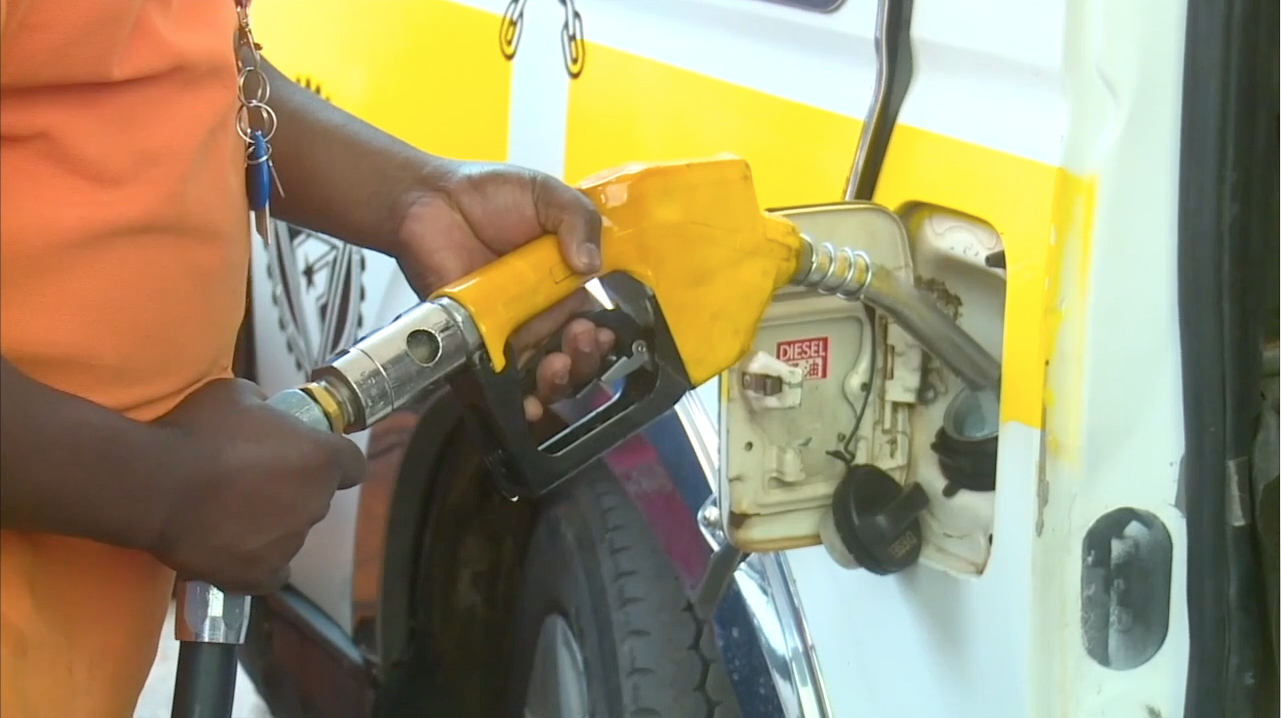
Kenya’s energy sector is facing its most severe integrity crisis in years following a bombshell KTN News investigation. At the center of the storm is the MT Paloma, a massive oil tanker that docked at the Port of Mombasa on March 27, 2026, carrying 60,000 metric tonnes of Petroleum Motor Spirit (petrol). While the cargo initially failed mandatory quality tests conducted by the Kenya Bureau of Standards (KEBS), a web of high-level collusion allegedly allowed this “bad fuel” to be cleared, blended, and pumped directly into the Kenya Pipeline Company (KPC) infrastructure.
The financial scale of the scandal is breathtaking. Exclusive invoices obtained by KTN show that One Petroleum Limited, the Mombasa-based importer, billed leading oil marketers a staggering Sh8 billion in a single day. The “Invoices of Shame” reveal that Vivo Energy was billed Sh2.2 billion, Total Energies Sh1.85 billion, and Rubis Energy Sh1.22 billion. Other companies drawn into the murky deal include Petrol Oil (Sh429M), Astrol Petrol (Sh345M), Galana Energies (Sh255M), and Lake Oil (Sh260M).
What makes this more than just a quality issue is the suspected price-fixing racket. While the government-to-government (G2G) fuel arrangement is meant to keep prices at roughly Sh140,000 per metric tonne, One Petroleum allegedly invoiced these marketers at Sh190,000 per tonne. This Sh50,000 premium per tonne effectively resulted in a Sh3.5 billion overcharge on this single cargo, with the total value of the MT Paloma consignment estimated at Sh11.8 billion.
The investigation further points to a major disconnect—or perhaps a coordinated cover-up—within the Cabinet. While Energy CS Opiyo Wandayi eventually ordered a ban on the fuel and the withdrawal of invoices on April 7, documents suggest that Trade CS Lee Kinyanjui had already authorized the clearance of the cargo on March 28. This allowed the substandard petrol to enter the pipeline system and reach retail stations long before the public was ever warned.
The Directorate of Criminal Investigations (DCI) has now moved in, with the probe expanding into potential economic sabotage. If found guilty, those involved in bypassing KEBS limits to supply fuel that can cause catastrophic engine failure for millions of Kenyans could face life imprisonment. For the average “Matatu” driver or private car owner, the damage may already be done. As the contaminated fuel circulates through the national grid, the cost of repairs and stalled logistics could run into the billions.