
Why Museveni and Ruto Are Betting on “Homegrown” Oil Over Global Imports

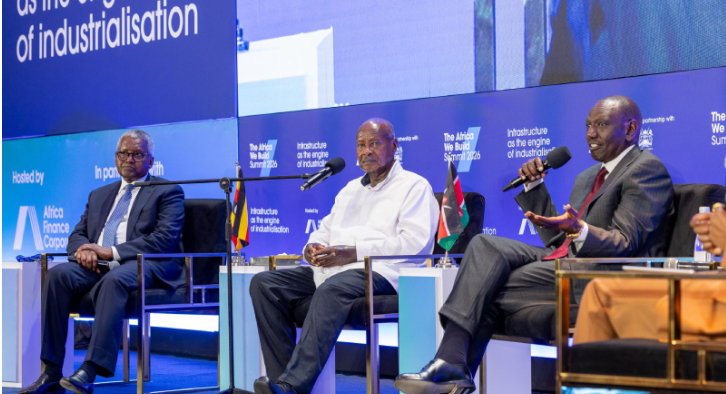
In a landmark announcement at the Africa We Build Summit in Nairobi this April 2026, Aliko Dangote has formally pledged to lead the construction of a world-class oil refinery in Tanga, Tanzania. This isn’t just another infrastructure project; it is a direct attempt to replicate the success of his $20 billion Lagos complex, which reached full operational capacity in February 2026. For a region that currently imports nearly three-quarters of its refined fuel from the Middle East, this 650,000-barrel-per-day facility represents a long-awaited path to energy sovereignty.
The strategic choice of Tanga is no coincidence. The port city already serves as the terminus for the East African Crude Oil Pipeline (EACOP), which transports crude from Uganda’s Lake Albert fields. By placing a refinery at the end of this pipeline, Kenya, Uganda, and Tanzania can bypass the logistical nightmare of exporting raw crude only to buy back expensive refined products. President William Ruto underscored this regional synergy, noting that the refinery will handle “black gold” from the DRC, South Sudan, Kenya, and Uganda, effectively turning Tanga into the energy heartbeat of the continent.
However, the “Dangote Effect” comes with conditions. The billionaire mogul was clear: the project requires total backing from regional heads of state to succeed within its four-to-five-year delivery timeline. This commitment is already bearing fruit in the form of “reciprocal diplomacy.” President Ruto recently revealed that Kenya will invest in Uganda’s separate 60,000-barrel-per-day domestic refinery, a move made in response to Uganda’s strategic acquisition of a 20.15% stake in the Kenya Pipeline Company (KPC). This interconnected web of investments suggests that for the first time, East African leaders are prioritizing regional resilience over national protectionism.
The economic stakes are massive. The Africa Finance Corporation (AFC) predicts a fuel import shortfall of 86 million tonnes by 2040 across the continent. Locally, Kenyan and Ugandan households have felt the sting of volatile global oil prices exacerbated by tensions in the Middle East. A regional refinery would not only stabilize fuel prices but also create an estimated 8,000 direct jobs during construction and thousands more in the petrochemical and fertilizer sectors. As Dangote noted, the current model of “exporting raw materials and importing finished goods” is essentially “exporting jobs”—a cycle this project aims to break forever.