
Why Peter Salasya is Still Supporting After 0% DNA Result

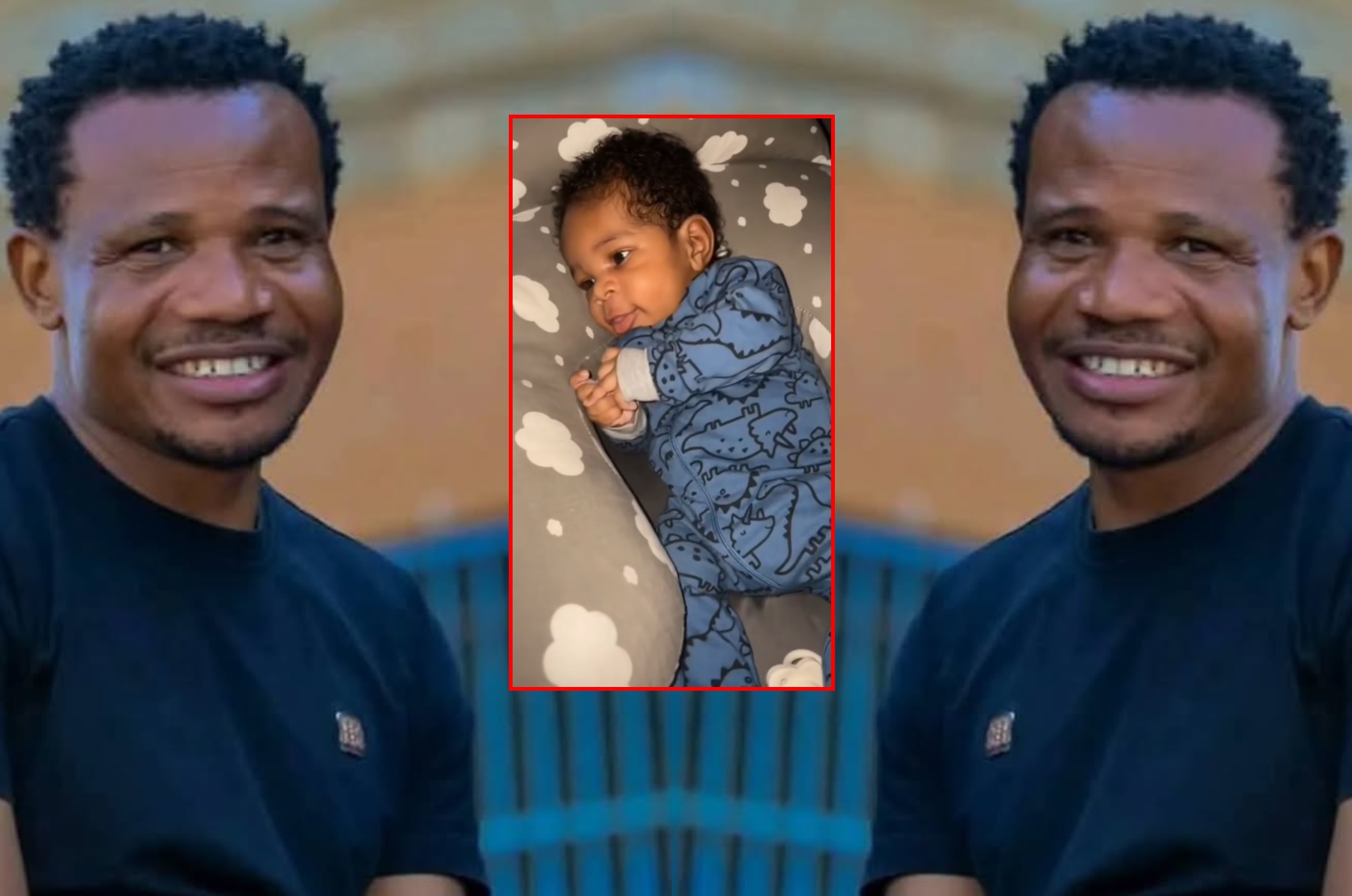
In a story that has sent shockwaves across the Kenyan digital landscape, Mumias East MP Peter Salasya has publicly addressed the results of a DNA test regarding a child he previously believed was his own. The results were as definitive as they come: a 0.00% probability of paternity. Despite the scientific proof that there isn’t even a genetic connection to the child, the legislator has taken a stance that is sparking a massive debate on fatherhood, responsibility, and the complexities of modern relationships.
In a bold social media statement, Salasya clarified his position to the mothers of his children, stating that regardless of the DNA outcome, he remains unwaveringly committed to supporting and caring for the children. This move has left fans and critics alike divided: is this the ultimate act of “stepping up,” or is it a case of a man still processing a public betrayal with misplaced loyalty?
The drama reached a fever pitch when the DNA results, based on a buccal swab test, were released. The report showed “misses” across multiple genetic markers, confirming that there is no biological link between the lawmaker and the child. For many men, a 0.00% result would be the end of the road—often leading to a “matching orders” situation where the mother and child are immediately cut off and excluded from the man’s life. However, Salasya has chosen an unconventional path, emphasizing that the well-being of the children comes first, regardless of what the science says.
This development adds a significant chapter to Salasya’s journey of fatherhood. Only recently, the youthful legislator had introduced his infant son to the public, sharing emotional messages about his desire to be present in the child’s life and even promising to adhere to traditional Luhya ceremonies, such as the symbolic first haircut at his ancestral home. The sudden revelation of 0% paternity turns these heartwarming promises into a complex legal and emotional puzzle.
Industry commentators have noted that while this might be a “shock reaction,” it also highlights the deep emotional bonds that form between a man and a child. Once a bond is created over months or years, it is often difficult for a provider to simply walk away from a child who knows them as their only father figure. “As men, knowingly or unknowingly, we often find ourselves taking care of children who aren’t ours,” one observer noted, sparking a wider national discussion on the role of the “responsible provider” versus the “biological parent.”
The conversation has also touched on the darker side of this saga: the “ultimate betrayal” by the mother. Many are questioning the financial and emotional toll on men who invest in children under false pretenses. While some praise Salasya for his “unwavering commitment” and grace under pressure, others warn that continuing to fund a life built on deception sets a difficult precedent.
As the story continues to trend, it serves as a stark reminder of the complexities of modern dating and parenting in the age of DNA testing. Whether you view Salasya as a hero for his compassion or a victim of circumstance, he has handled this public “chomea” (embarrassment) with a level of transparency and maturity rarely seen in the spotlight.