
Matatu and Boda Boda Operators Announce 25% Fare Hike After Fuel Surge

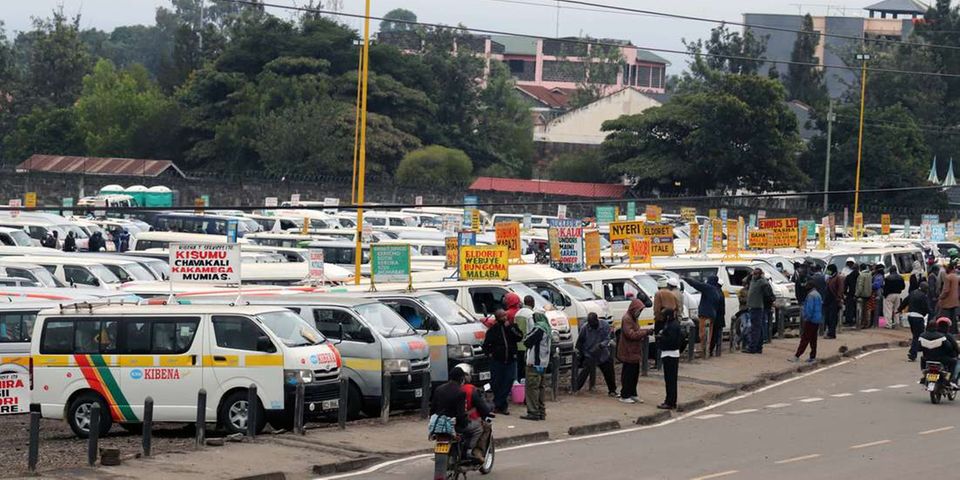
Commuters across Kenya are waking up to a stark new reality following the recent announcement by the Energy and Petroleum Regulatory Authority (EPRA). By midday on April 15, transport operators—including matatus, boda bodas, and heavy trucks—began implementing a widespread 25% fare hike. The Matatu Owners Association confirmed that the sharp rise in fuel prices, which saw petrol and diesel climb by up to Sh40, has made current operating costs unsustainable. For many, a standard Sh100 trip has jumped to Sh150, directly impacting the daily budgets of millions of already struggling Kenyans.
Despite the government’s recent move to reduce Value Added Tax (VAT) on petroleum products, transport players insist the measure has been “too little, too late.” In Nairobi, operators pointed out that the fuel hike alone is stripping away nearly Sh2,400 in daily income per vehicle, making it impossible to maintain previous pricing. This sentiment is echoed by the Shippers Association of Kenya, which has also directed its members to increase transport charges immediately due to diesel prices retailing at over Sh200 per liter.
The ripple effect of the fuel surge has extended far beyond the city bus stages, hitting the country’s grain basket in the North Rift. Maize farmers in Uasin Gishu and Moyben have raised an alarm, warning that the unprecedented Sh40-per-liter hike in diesel is a direct threat to national food security. Most large-scale farmers depend on heavy machinery for land preparation and planting, and they estimate that their cost of production per acre has surged by 20%.
Faced with these skyrocketing costs, many farmers are considering reducing their planted acreage by as much as 15% to 30% to stay within their initial budgets. This reduction in farming activity, combined with the fact that many farmers must now travel over 100 kilometers just to find available diesel in towns like Eldoret, suggests that the price of maize and other staples will likely rise significantly by harvest time. Farmers have made it clear: if the government does not introduce a diesel subsidy soon, the additional costs will inevitably be passed down to the consumer at the supermarket shelf.
As frustrations reach a boiling point, the transport sector is issuing a final warning to the government. Operators in counties like Narok and Makueni are demanding that funds from non-essential projects be redirected toward fuel subsidies. The standoff is threatening to escalate into a nationwide strike, as drivers and owners warn that they cannot continue to bear the burden of the “pain at the pump” alone. For the average Kenyan, the combination of higher fares and rising food prices is tightening an already painful economic noose, with no immediate relief in sight.