Kenyan Lawmakers Challenge Safaricom Stake Sale to Vodacom

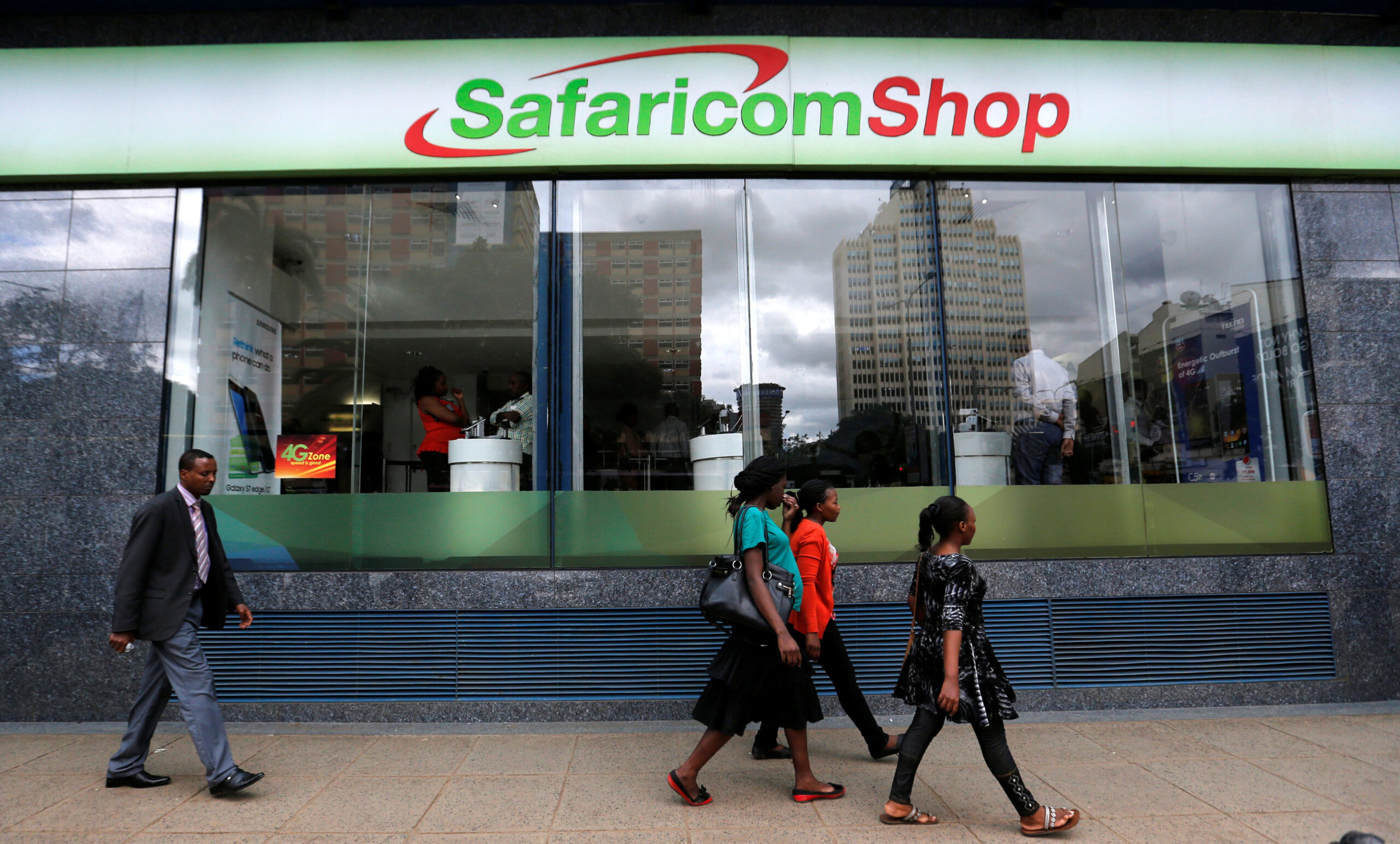
The National Treasury has officially set the wheels in motion for a landmark—and highly controversial—divestiture, proposing the sale of a 15% stake in Safaricom PLC to South Africa’s Vodacom Group. The deal, valued at approximately KSh 244.5 billion ($1.6 billion), would see the Government of Kenya’s (GoK) ownership retreat to just 20%, effectively handing a 55% controlling majority to the Vodacom/Vodafone consortium.
Treasury Cabinet Secretary John Mbadi defended the move before Parliament this week, describing it as a “premium exit” and a strategic “fiscal hedge.” With the current share price on the Nairobi Securities Exchange (NSE) hovering around KSh 29.75, the Treasury argues that the offer price of KSh 34.00 per share represents a significant 23.6% gain over market value. The proceeds are earmarked as “seed capital” for the new National Infrastructure Fund, aimed at building roads, airports, and energy projects without piling on more public debt
However, the “Green Giant” sale has run into a political firestorm. Kiharu MP Ndindi Nyoro, Chairman of the Budget and Appropriations Committee, has emerged as a vocal critic, warning that the government is “selling the asset for a song.” Nyoro argues that Safaricom—at its peak—was valued near KSh 1.8 trillion and remains the “transactional backbone” of the country. He suggests that instead of a direct sale to Vodacom, the government should consider unbundling M-Pesa or opening the bid to international players to fetch a valuation closer to KSh 2.5 trillion.
The deal includes more than just a stock transfer; it features a unique dividend monetization component. Vodacom will pay an upfront KSh 40.2 billion in exchange for future dividends that would have gone to the government’s remaining 20% stake. To address fears over national security and data sovereignty, the Treasury has proposed strict “binding conditions,” including:
- Kenyan Leadership: The CEO must remain a Kenyan national.
- HQ Location: Safaricom must keep its headquarters in Nairobi.
- Veto Rights: The government will retain two board seats and “golden share” rights to block major strategic changes.
Critics remain skeptical, noting that a 55% majority gives Vodacom the mathematical power to override local management. With Safaricom handling the metadata and financial records of over 30 million Kenyans via M-Pesa, the Office of the Data Protection Commissioner (ODPC) is expected to weigh in on whether foreign control poses a risk to “digital sovereignty.” Parliament has promised extensive public participation before any final signatures are inked.