
Why Your Old Voter Card Might Be Useless for the 2027 Polls

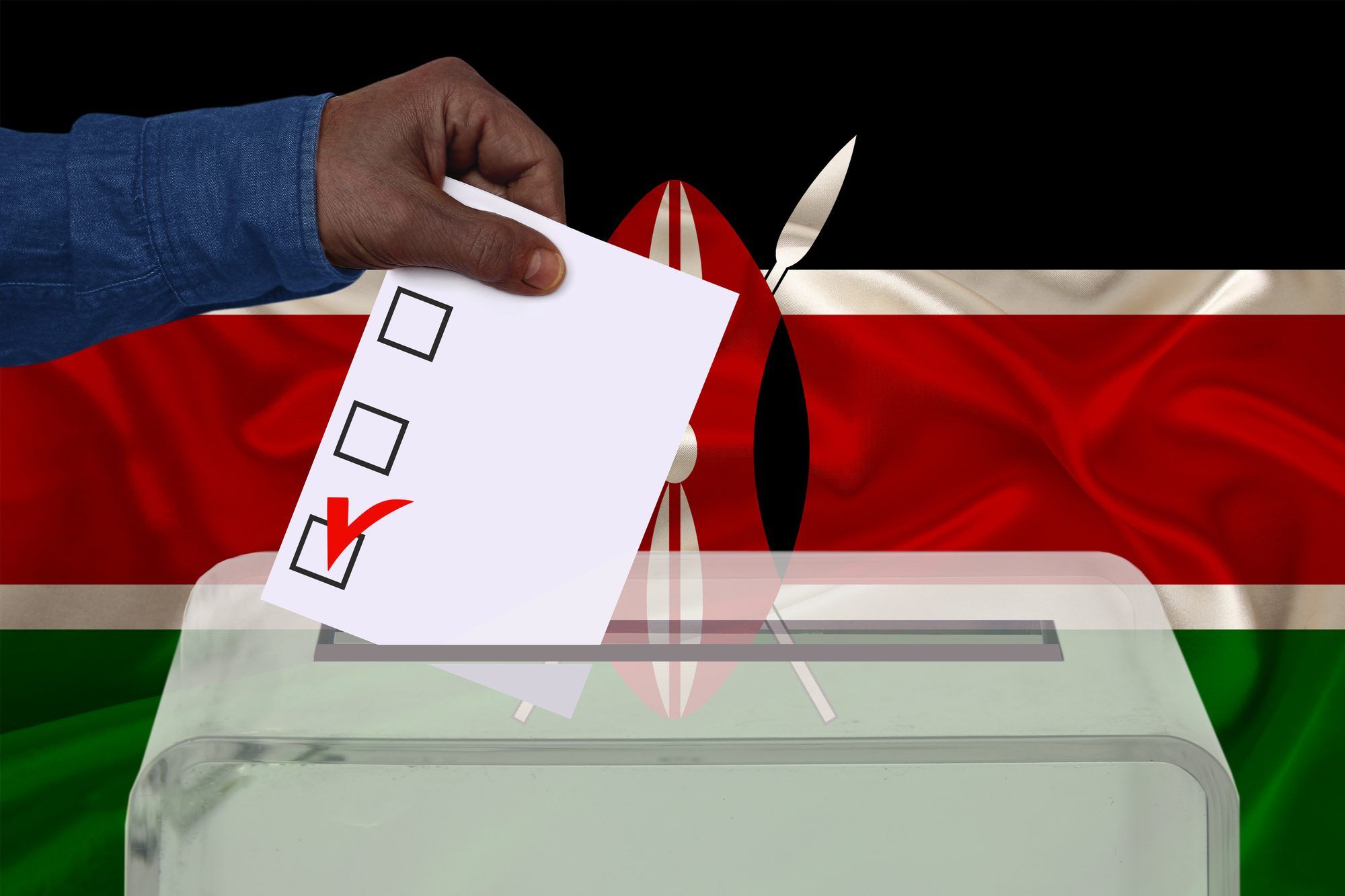
The Independent Electoral and Boundaries Commission (IEBC) has officially sounded the alarm for a specific group of Kenyan citizens: those who registered to vote before the 2012 transition to digital systems. In a high-stakes 30-day “Enhanced Continuous Voter Registration” (ECVR) drive launched on March 30, 2026, the commission is requiring these veteran voters to update their records or risk being locked out of the 2027 General Election. This move aims to bridge the gap in the national database, as older records often lack the essential fingerprints, facial photos, and iris scans required by the current Kenya Integrated Election Management System (KIEMS).
IEBC Chairperson Erastus Edung Ethekon has defended the exercise as a necessary “surgical cleanup” of the national voter register. By mandating biometric updates, the commission intends to eliminate “ghost voters”—records of deceased individuals or duplicated entries that have plagued past electoral cycles. Ethekon emphasized that the credibility of the 2027 polls depends on a verified, high-fidelity register, shifting the IEBC from a passive role to a proactive one by sending registration clerks directly into wards, universities, and remote villages to ensure no one is left behind.
Despite the commission’s optimism, the directive has sparked a heated national debate regarding accessibility and inclusivity. Critics and civil society groups have raised concerns about the potential disenfranchisement of elderly citizens and those living in marginalized areas. Social media has been flooded with stories of elderly relatives who may find it physically impossible to reach registration centers or Huduma Centres, even with the promised “village-to-village” outreach. The fear is that a bureaucratic “cleanup” could inadvertently strip thousands of loyal, long-time voters of their democratic right simply because of their age or location.
As of early April, the drive has seen significant momentum, with over 344,000 Kenyans turning out in the first few days. The IEBC is operating on a tight schedule, with the window for these critical updates set to close on April 28, 2026. For those affected, the message is clear: the transition to a fully biometric future is no longer optional. Whether the commission can successfully balance the need for technological integrity with the physical realities of its most vulnerable voters remains the defining challenge of this pre-election season.
The digital space is currently a battlefield of opinions, with many users expressing a sense of urgency while others voice deep skepticism. Supporters of the move are praising the IEBC for finally taking steps to digitize the “analog” generation of voters, arguing that a modern democracy cannot rely on paper-trail records from nearly two decades ago. These users often highlight that “cleaning the house” now is the only way to prevent the usual post-election disputes over voter numbers.
Conversely, a vocal contingent of the “KOT” (Kenyans on Twitter) community is highlighting the logistical nightmare this poses for the elderly. Many are sharing photos of their aging grandparents, questioning why the government hasn’t implemented a more seamless integration with the National Registration Bureau (NRB) to update these records automatically. The debate has largely centered on the “Niko Kadi” hashtag, where young people are being urged to assist their older relatives in navigating the new requirements before the April 28 deadline.