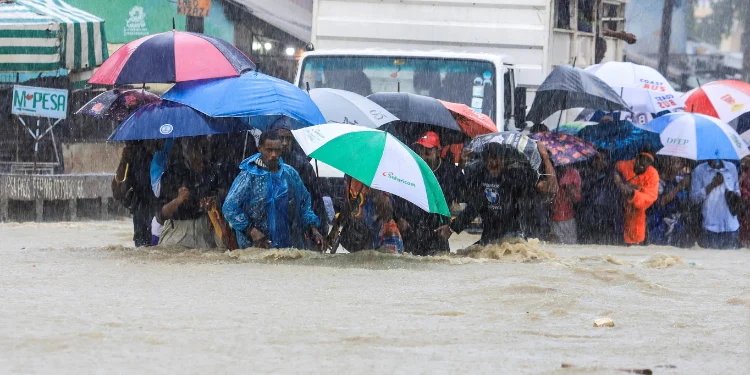
Kenya Braces for El Niño Rains as Red Cross Strengthens Flood Response

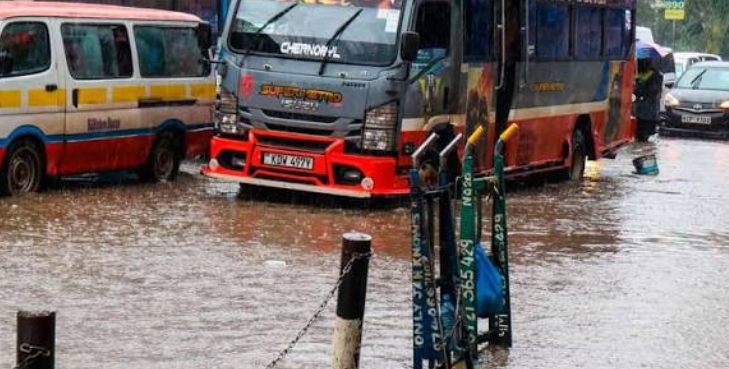
Kenya has begun experiencing the onset of the October-December rains, with several parts of the country recording significant rainfall as authorities and humanitarian agencies step up preparations for possible flooding and other weather-related emergencies.
The Kenya Meteorological Department has forecast a high likelihood of above-normal rainfall during the October-December 2026 season, with the rains expected to continue into early 2027. The Kenya News Agency reported that the country has been preparing for the anticipated rains, with several counties activating disaster response structures. Kenya News
Some areas have already received substantial rainfall. Nyeri recorded the highest amount among the areas highlighted in the latest report, receiving 147.8 millimetres of rain over seven days. Other areas that have experienced significant rainfall include parts of Meru, Kisii and the Coast.
Meteorological officials expect rainfall intensity to increase as the season progresses, with November expected to be a particularly wet month.
The onset of the rains has renewed concerns about the possibility of flooding, landslides and displacement, particularly in areas that experienced severe weather during previous El Niño seasons.
Kenya has experienced devastating consequences from extreme rainfall in the past. The 1997-98 El Niño season was associated with widespread flooding and major disruption across the country. More recently, the 2023-2024 El Niño period also caused extensive flooding, with the Kenya Red Cross reporting significant loss of life, displacement and destruction of homes and infrastructure. IFRC Go API
The Kenya Red Cross Society says it has strengthened its preparedness and response capacity ahead of the current rainy season.
The organisation has trained and equipped teams for water rescue operations and conducted joint exercises with emergency response agencies. It has also identified additional operational locations to ensure rescue teams can reach affected communities even when roads and other transport routes are disrupted.
The Red Cross has stressed, however, that rescue should be considered a last resort, arguing that early preparation and community action can prevent many emergencies from reaching the stage where evacuation becomes necessary.
The organisation is also encouraging communities to pay attention to weather warnings and follow instructions from authorities, particularly when residents are advised to leave areas at risk of flooding or landslides.
Employers and institutions have also been encouraged to consider flexible arrangements during periods of severe weather, including allowing employees to work from home where possible or remain in safer locations when travel conditions become dangerous.
The emphasis on early action comes as Kenya strengthens preparations across multiple sectors.
The Ministry of Health has already activated its El Niño preparedness plan and directed all 47 counties to strengthen their readiness. Health officials have warned that heavy rainfall and flooding could contaminate water sources, increase mosquito breeding and raise the risk of diseases such as cholera, typhoid, malaria and other waterborne illnesses. Kenya News
The government has also been working with county authorities and humanitarian agencies to prepare emergency response systems.
In Nyeri, for example, authorities have been preparing resources and response mechanisms ahead of the expected heavy rains. The Kenya Red Cross has identified hundreds of flood-risk hotspots nationally and has been working on temporary rescue facilities to support communities affected by flooding. Kenya News
The risks are not limited to flooding. Heavy rainfall can trigger landslides and mudslides, particularly in hilly areas. Nyeri and Meru are among areas where authorities are closely monitoring landslide risks, while other counties face the threat of flooded farmland and disrupted transport networks. Kenya Agri Atlas
The rainfall could also have significant consequences for agriculture. Farmers are being encouraged to make use of weather information when planning their activities, while communities living near rivers, drainage channels and other flood-prone areas are being urged to take precautions.
The Kenya Red Cross has repeatedly emphasised that communities themselves are often the first responders when disasters occur. Early evacuation, clearing drainage systems, protecting important documents and moving livestock and valuables to safer areas can reduce losses before professional rescue teams arrive.
The public has also been reminded to avoid crossing flooded roads, rivers and bridges when water levels rise.
Emergency services are preparing to respond where necessary, but authorities say residents should not wait until a situation becomes dangerous before taking action.
The Kenya Red Cross emergency line is available 24 hours a day on 1199 for people requiring assistance.
As the October-December rainy season gathers momentum, the coming weeks will test Kenya’s preparedness measures. With meteorological forecasts pointing to above-normal rainfall, authorities are urging communities to remain alert and act on early warnings.
The message from emergency agencies is clear: preparedness, timely decisions and cooperation between communities and authorities will be critical in reducing the impact of the expected El Niño rains.