Digital Freedom in Kenya Under Threat After New Cyber Law Signed

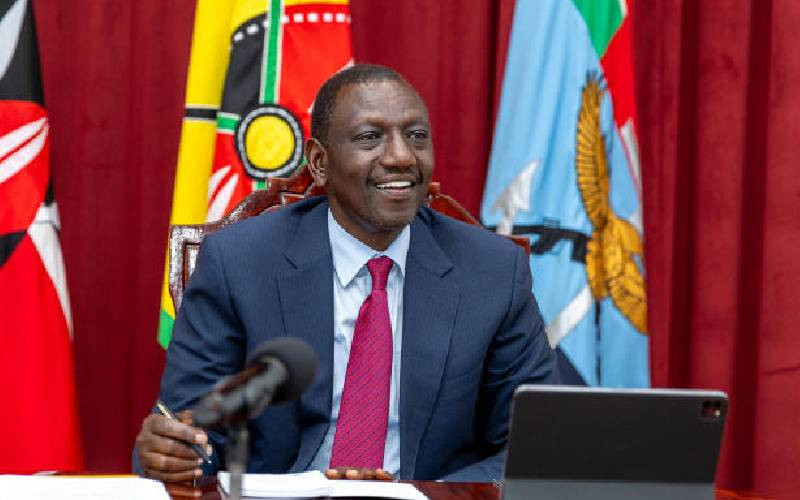
President William Ruto has signed into law the Computer Misuse and Cybercrimes (Amendment) Act, 2025, a move that has triggered a fierce national debate over digital freedom and online censorship in Kenya. The signing took place on October 15, 2025—the same day opposition leader and statesman Raila Odinga died in India at the age of 80—raising questions about the timing of the legislation.
The new law introduces some of the harshest penalties for online speech in Kenya’s history, including:
- Fines of up to KSh 20 million
- Prison sentences of up to 10 years
- Punishment for “false, misleading, or alarming information” shared online
- Power to block websites and digital platforms without a court order
Under the amendments, the National Computer and Cybercrimes Coordination Committee (NC4) now has sweeping authority to order internet service providers to remove websites, blogs, and digital content deemed harmful—without judicial oversight.
Public Outrage and #RejectCyberCrimeLaw Trend
The response from Kenyans was immediate and intense. Within hours, #RejectCyberCrimeLaw became the number one trending topic on X (formerly Twitter) with over 238,000 engagements.
Many users accused the government of taking advantage of the emotional distraction caused by Raila Odinga’s death to quietly pass a draconian digital censorship law. Memes and satire flooded the platform, with “Githinji” becoming a trending name used sarcastically to mock government surveillance fears and online informants.
Human Rights Groups Sound Alarm
Civil society and digital rights organizations including Article 19, Amnesty Kenya, Bloggers Association of Kenya (BAKE), and the Law Society of Kenya (LSK) sharply criticized the law, calling it a “direct attack on free speech, whistleblowing, investigative journalism and digital rights.”
Human rights lawyer Nelson Havi said the amendment would “criminalize dissent and silence political critics online”, while Amnesty International warned it could be used to persecute journalists and activists ahead of the 2027 general elections.
Government Defends Law
The Ruto administration insists the law is necessary to combat fake news, cyberbullying, fraud, terrorism propaganda and online scams. ICT Cabinet Secretary Eliud Owalo argued that Kenya must “clean up its digital space to protect national security and public order.”
What Happens Next?
Opposition politicians and rights activists are planning to challenge the law in court, calling it unconstitutional and dangerous to democracy. Meanwhile, Kenyan internet users brace for what could become the toughest era for online freedom in Kenya’s history.