Nyandarua Residents Dismiss Railway Revival as Political Campaign Strategy

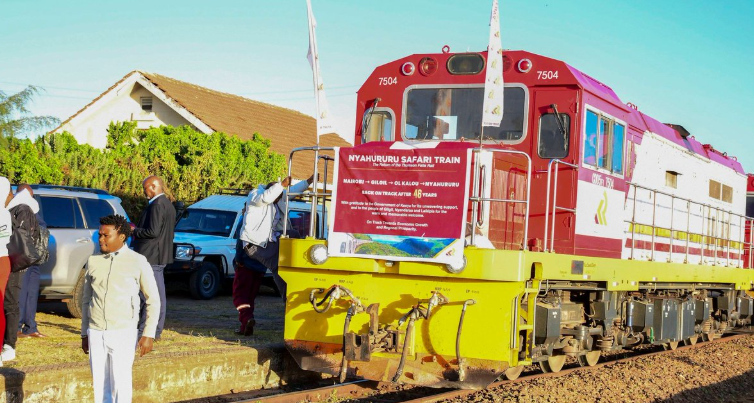
The government’s renewed efforts to revive the historic Gilgil–Nyahururu railway line have been met with skepticism from sections of Nyandarua residents, many of whom believe the project’s timing is more political than developmental. While officials have presented the railway revival as a major infrastructure milestone that will boost transport, tourism, and economic growth, some locals are questioning why the project is receiving attention now after decades of neglect.
The railway line, which has remained largely dormant for years, recently returned to the spotlight following test runs and renewed operations aimed at reconnecting parts of Nyandarua and Nakuru counties. Kenya Railways has promoted the revival as part of broader efforts to restore old railway networks and improve connectivity between towns that were previously served by rail transport.
However, many residents interviewed during the launch activities expressed doubts about the government’s intentions. Some argued that successive administrations have made similar promises regarding infrastructure development in the region, only for projects to stall once political campaigns end. As a result, they view the latest railway push with caution and are waiting to see whether the promises will translate into long-term investment and regular railway services.
Several residents acknowledged that a functioning railway could bring significant economic benefits to the region. Farmers, traders, and business owners believe improved transport links would lower the cost of moving goods, expand market access, and stimulate local economic activity. Others pointed to the potential for increased tourism, particularly around Nyahururu and surrounding attractions, if passenger rail services become reliable and sustainable.
Despite these potential benefits, concerns remain over whether the revival is part of a long-term development strategy or a short-term political initiative. Critics argue that many projects tend to receive heightened attention whenever political temperatures begin rising, fueling suspicion among residents who feel they have been promised development repeatedly without seeing lasting results.
The skepticism reflects a broader challenge facing government infrastructure programmes across the country. While large-scale projects often generate excitement, communities increasingly want proof of implementation rather than announcements. For many residents, the true test of the railway revival will not be ceremonial launches or inspection tours, but whether trains continue operating consistently months and years from now.
Government officials, on the other hand, insist that the railway restoration is part of a wider plan to modernize transport networks, improve mobility, and unlock economic opportunities in previously underserved areas. Supporters of the project argue that reviving dormant rail infrastructure could reduce pressure on roads, cut transport costs, and support regional development.
As debate continues, residents say they will judge the project by its results rather than promises. While many welcome the prospect of improved transport and economic growth, they remain cautious about celebrating until they see consistent railway services, sustained government commitment, and tangible benefits reaching ordinary wananchi.
For now, the revival of the Gilgil–Nyahururu railway line has generated both hope and doubt in equal measure, highlighting the growing demand among Kenyans for development projects that deliver lasting impact beyond the political cycle.