
17 Young Mothers Sit KPSEA in Meru Amid Crisis Surge

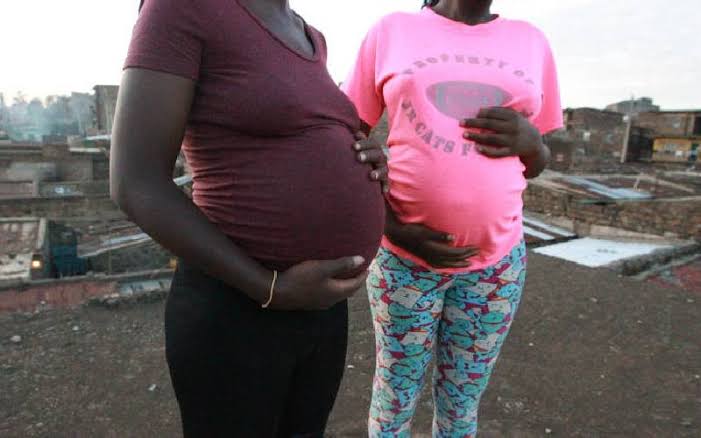
The annual national examination season in Kenya, meant to be a moment of academic triumph, has once again exposed a devastating educational and social crisis, highlighted by the grim statistics emerging from Meru County. Seventeen teen mothers in the region sat for the Kenya Primary School Education Assessment (KPSEA) amid a worrying surge in early pregnancies, with the Igembe area being identified by health officials at Nyambene Level Four Hospital as one of the hardest hit hotspots. Dr. Githu Wachira, the hospital’s Medical Officer of Health, confirmed these heartbreaking figures, noting that the facility is actively providing postnatal care to the newest mothers who are trying to navigate the dual responsibilities of primary education and parenthood.
This deeply concerning trend in Meru is unfortunately not isolated; it mirrors similar tragic reports from across the country, such as in Khwisero Sub-county in Kakamega, where 31 girls were confirmed pregnant while sitting for national exams. Health experts consistently point to a combination of systemic issues driving this crisis, including entrenched poverty that leaves young girls vulnerable to exploitation, severely limited access to comprehensive reproductive health education, and the pervasive social pressures that fail to protect them. The rise in teenage pregnancy has remained a serious challenge, demanding combined and intensified efforts from all stakeholders to address its complex roots.
In an effort to provide a path forward, Nyambene Level Four Hospital has proactively launched a crucial Support Group Programme for Teenage Mothers. This initiative is specifically designed to offer essential guidance, education, and much-needed psychosocial support to these young mothers, helping them stabilize their lives and strive to continue their education. Dr. Wachira explained that the programme is focused on giving hope, teaching critical parenting skills, and providing mentorship so that the girls understand that their futures are not over; they can still succeed in school while caring for their babies.
Appealing directly to the community, Dr. Wachira urged parents, teachers, religious leaders, and community elders to join forces in preventative measures, emphasizing the need to protect young girls from exploitation and curb early pregnancies. This collective call for stronger community awareness campaigns, targeted mentorship programmes, and greater parental involvement underscores the fact that this is not merely a health or school problem, but a failure of the wider social network. Ultimately, stakeholders are urging the authorities to intensify protection for schoolgirls and rigorously ensure that existing policies, which guarantee the right of young mothers to continue their education, are fully enforced.