Nairobi Takeover or Lifeline? The Truth Behind the Ruto-Sakaja KSh 80B Deal


Nairobi’s political temperature just hit a fever pitch following the signing of a massive KSh 80 billion cooperation agreement between President William Ruto and Governor Johnson Sakaja. Signed on February 17, 2026, at State House, the deal is being framed by the government as a “transformation pact” aimed at fixing the city’s crumbling infrastructure. With the National Government injecting four times more funding than the county’s usual annual allocation, the package targets a total overhaul of the city’s most broken systems—from dark alleys to dry taps.
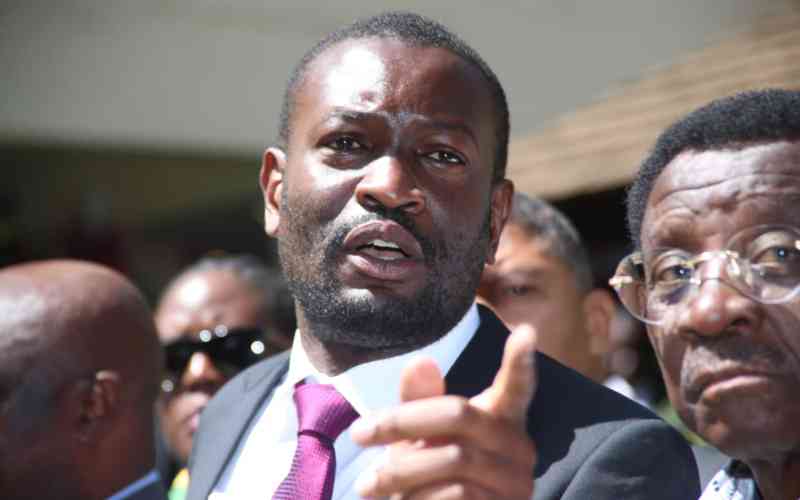
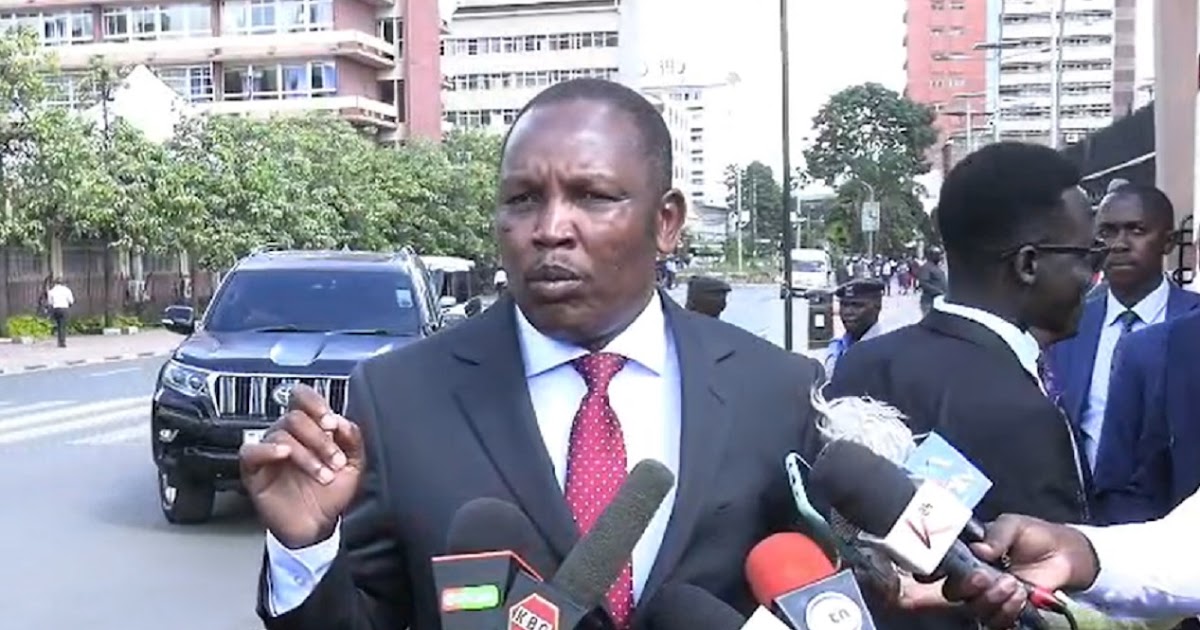
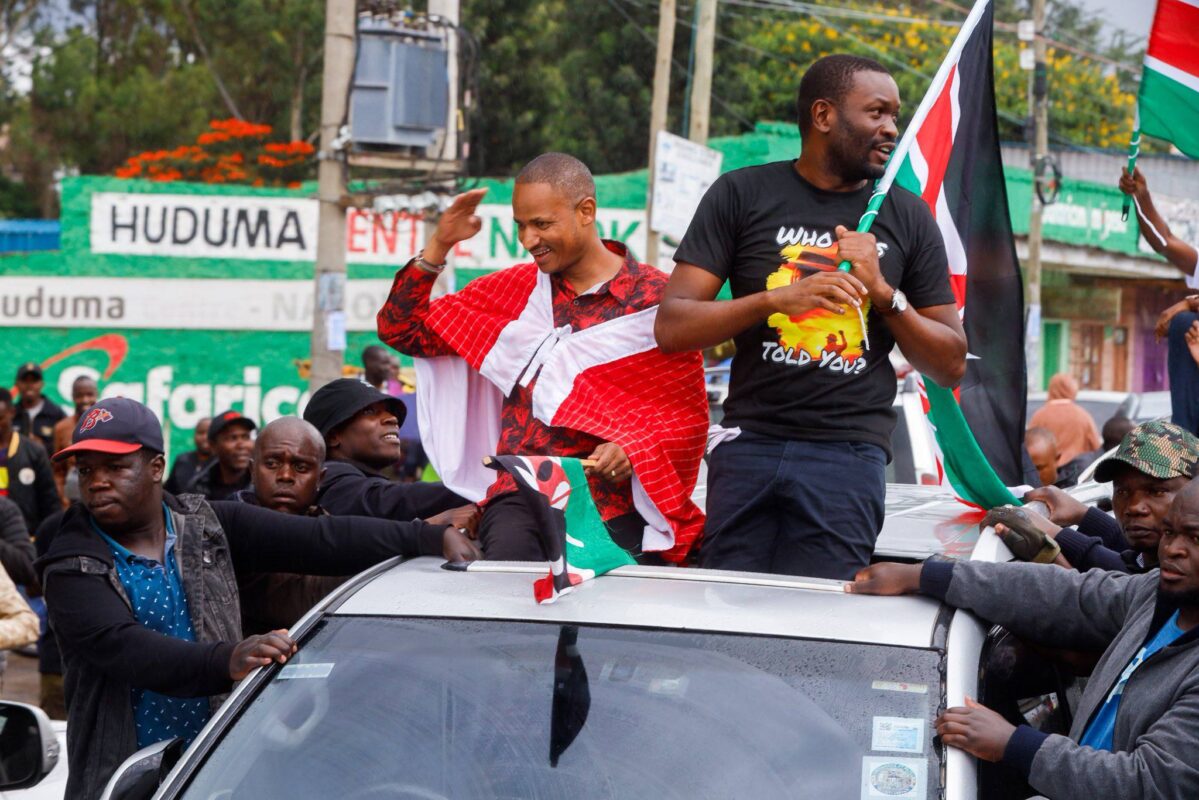
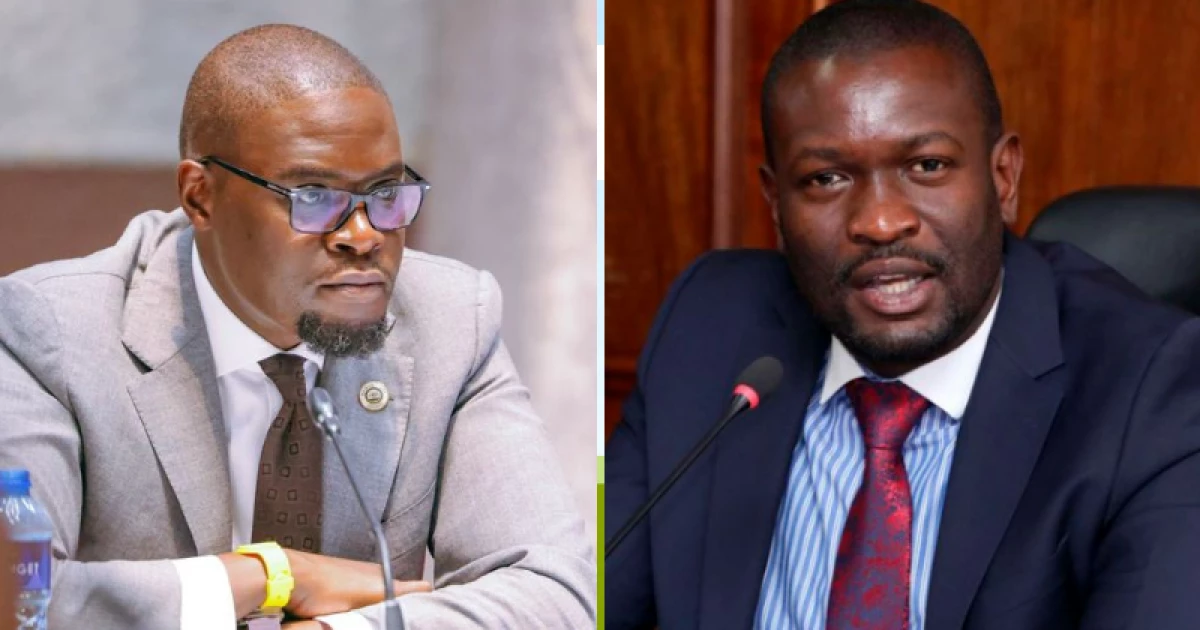
Despite the celebratory optics, the deal has sparked a fierce “blame game” in the capital. Critics, led by Senator Edwin Sifuna and Embakasi East MP Babu Owino, have branded the move a “hostile takeover” and a “power grab through the back door.” They argue that the pact effectively reduces Sakaja to a “deputy role” under the National Government, bypassing mandatory public participation. Sifuna has even called the KSh 80 billion a “ruse,” pointing out that the National Government actually owes Nairobi County over KSh 100 billion in unpaid land rates and other obligations.
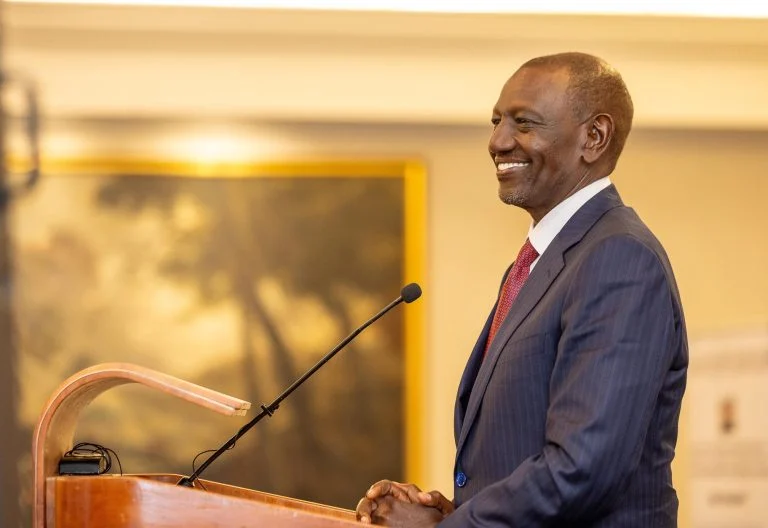
President Ruto has moved swiftly to distance the agreement from the controversial Nairobi Metropolitan Services (NMS) era, which left the city with KSh 16 billion in pending bills. During the signing, the President was emphatic, stating, “For the avoidance of doubt, I have no interest in running the city of Nairobi; my hands are already full.” He anchored the deal in Article 189(2) of the Constitution, which requires the two levels of government to cooperate. Governor Sakaja echoed this, insisting that Nairobi’s unique status as a global diplomatic and UN hub requires a funding model far beyond what a standard county allocation can provide.
The KSh 80 billion isn’t just a vague promise; it’s broken down into specific, high-impact projects. A staggering KSh 3.7 billion is earmarked to fix Nairobi’s street lighting—modernizing 10,000 stalled points and adding 40,000 new ones to improve security. Another KSh 8.7 billion will go toward roads and drainage, including a 57-kilometer road package starting in April. The rest of the funds are dedicated to massive water treatment upgrades at Ng’ethu, a new sewer plant with a 40-year capacity, and the ongoing Nairobi River Regeneration project, which already employs over 45,000 young people.