How Uganda Outmaneuvered Local Investors to Control Kenya’s Fuel Lifeline

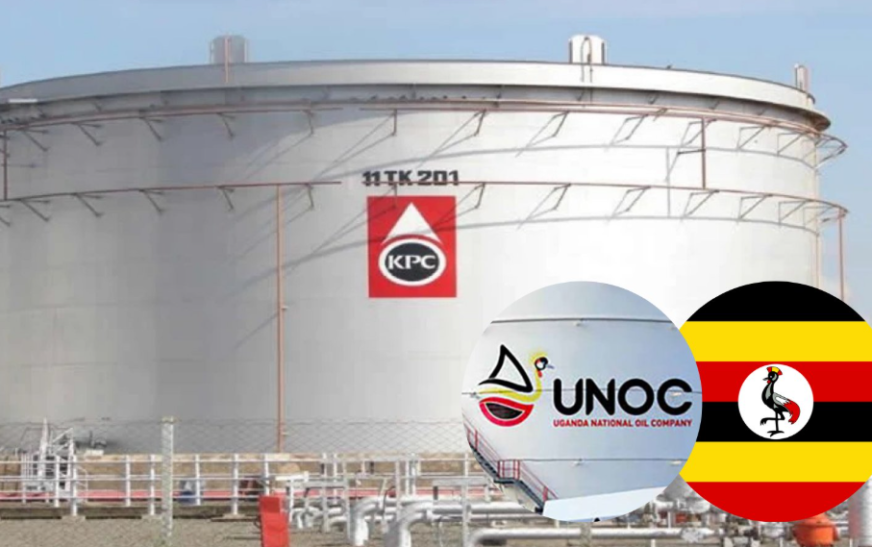
NAIROBI, Kenya — The conclusion of the much-anticipated Kenya Pipeline Company (KPC) Initial Public Offering (IPO) has sent shockwaves through the country’s political and economic circles. What began as an effort to raise local capital has ended with the Uganda National Oil Company (UNOC) emerging as a dominant force, securing a massive 20.15 percent stake in the state-owned utility. The deal, worth $255 million (approx. KSh 33 billion), was finalized after the IPO saw surprisingly weak interest from Kenyan retail investors.
The terms of the acquisition have ignited a fierce debate over national sovereignty. By securing more than a fifth of the company, Uganda has not only earned two seats on the KPC board but has also been granted unprecedented veto power. This means Kampala now has a direct say in the appointment of the KPC Chief Executive Officer and any future fuel tariff hikes. Uganda’s Energy Minister, Ruth Nankabirwa, defended the move as a “strategic necessity,” noting that Uganda relies on the Kenyan pipeline for 95 percent of its petroleum imports and requires a seat at the table to ensure its own energy security.
While Kenyan government leaders have praised the move as a “landmark step” toward true East African Community (EAC) integration, the reaction on the streets and online has been overwhelmingly hostile. Many Kenyans have labeled the deal a “heist,” questioning why the government allowed a foreign entity to gain veto power over a critical national asset. Critics argue that while regional investment is welcome, giving a neighboring state the power to block administrative decisions within a Kenyan utility is a bridge too far.
The fallout has been particularly intense on X (formerly Twitter), where the hashtag #KPCHeist has been trending since the news broke. Digital activists and economic pundits have pointed out that the “weak local interest” cited by the government may have been a result of a rushed process that locked out ordinary Kenyans, effectively “paving the way” for UNOC to swoop in.
As the dust settles on the $823 million total capital raise, the focus now shifts to how this new power dynamic will affect fuel prices across East Africa. With Uganda now holding a “veto card,” the management of Kenya’s most profitable state corporation has entered uncharted waters, balancing the thin line between regional partnership and national interest.
The digital space is currently a battlefield of opinions. Sen. Olekina Ledama questioned the logic of the deal, asking, “Since when did we start selling veto power over our national security assets to neighbors? This is a total surrender of sovereignty.” On the other hand, pro-integration blogger EAC Watchman argued that “Kenyans are being xenophobic; this is how Europe built the EU. We need Uganda’s money to modernize the pipeline.” Meanwhile, user Wanjiku’s Voice lamented, “They told us the IPO was for us, but they priced it to ensure only the big fish and Museveni’s government could bite. We’ve been played.”