How a Global WordPress Supply Chain Attack is Threatening Kenya’s Growing E-commerce Sector

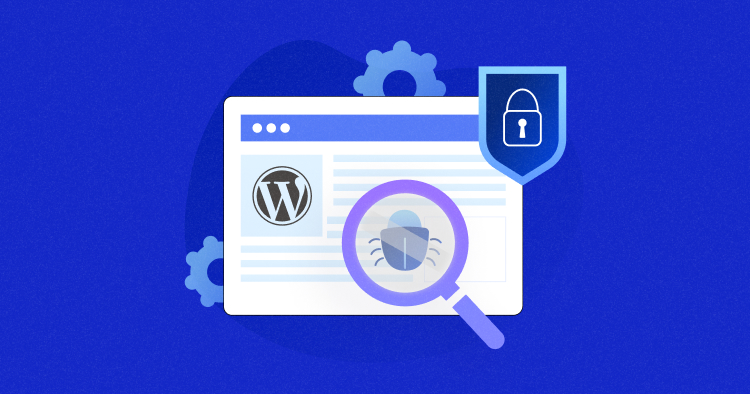
The Kenyan digital landscape, which has seen an explosion in e-commerce, personal blogging, and government digital services, is currently facing a silent but deadly threat. A massive supply chain attack has resulted in dozens of popular WordPress plugins being pulled from the official repository after investigators discovered hidden backdoors. This sophisticated attack follows a “stealthy ownership takeover”—a trend where malicious actors purchase legitimate, well-rated plugins from their original developers, only to inject malicious code into subsequent updates. For the thousands of Kenyan businesses relying on WordPress to power their online presence, this isn’t just a global tech headline; it is a direct threat to their data integrity and customer trust.
In Nairobi’s bustling tech hubs and beyond, WordPress remains the go-to platform due to its ease of use. However, this convenience comes with a price. The reported backdoor allows hackers to execute arbitrary code, potentially leading to full site takeovers, data breaches, and the injection of SEO spam that can destroy a site’s Google ranking. For a Kenyan entrepreneur running a boutique online shop or a news site, the stakes are incredibly high. A compromised website could mean that sensitive customer payment details or personal information are funneled to offshore servers, leading to a total loss of credibility and potential legal ramifications under Kenya’s Data Protection Act.
Cybersecurity experts are noting that this “supply chain” method is particularly effective because it exploits the trust users place in automated updates. Many Kenyan web developers set their plugins to “auto-update,” meaning the malicious code is delivered directly to their servers without any red flags. This trend highlights a growing vulnerability in the local tech ecosystem where the focus is often on front-end aesthetics rather than back-end security audits. The hijacked plugins range from SEO tools to social media integrators—utilities that are staples for Kenyan influencers and digital marketers looking to expand their reach.
The immediate call to action for anyone managing a WordPress site in Kenya is to perform a comprehensive plugin audit. If you are using plugins that have recently changed ownership or have been flagged by the WordPress security team, they must be deleted and replaced with verified alternatives immediately. Security analysts recommend installing robust firewalls and malware scanners specifically tailored for the Kenyan hosting environment. As we move deeper into a digital-first economy, the “Prophet Kanyaris” of the tech world—those promising easy miracles without security safeguards—must be ignored in favor of rigorous, proactive digital hygiene.

