Inside the Shady Deals and Political Shielding in Kenya’s Oil Scandal

The depth of Kenya’s energy crisis has hit a new low as details emerge of a systemic failure within the country’s fuel supply chain. The scandal was ignited by Gulf Energy’s inability to deliver a massive 85,000 metric ton shipment of petrol, a failure that threatened to dry up the country’s pumps. In what was characterized as a “national emergency,” the Ministry of Energy entered into hurried agreements with One Petroleum Limited and Oryx Energies. However, what was meant to be a rescue mission has instead turned into a massive audit nightmare involving substandard products and suspicious regulatory “sanitizing.”
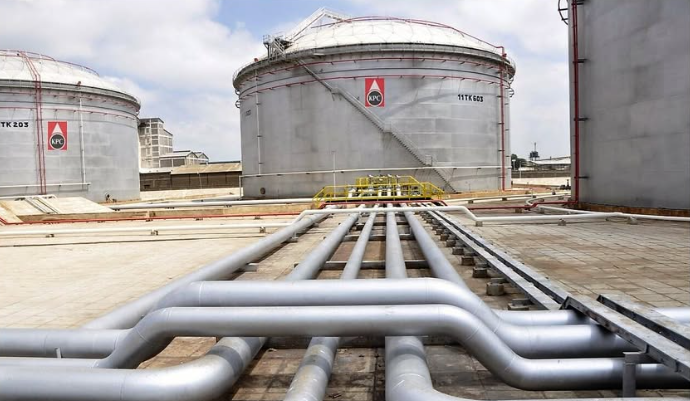
Appearing before the Senate Committee on Energy, Kenya Pipeline Corporation (KPC) Acting MD, Pius Muendo, confirmed the worst fears of many motorists: the emergency fuel supplied by One Petroleum Limited was significantly below Kenyan quality standards. The petrol was flagged for containing dangerously high levels of manganese and sulfur, coupled with lower-than-required octane levels. Despite these red flags, the fuel was allowed into the system through a series of controversial waivers that bypassed standard safety protocols.
The most explosive revelation from the Senate probe involves the timing of these waivers. Senators, led by Narok’s Ledama Olekina, questioned the “suspect” chronology of correspondence between the Ministry and the oil firms. Evidence suggests that One Petroleum had already “dumped” the substandard product into the country before any legal clearance was granted. A waiver was then reportedly issued retroactively on April 28, 2026, to “sanitize” the blunder and regularize a product that had already breached Kenyan borders.
The committee session turned into a theater of political friction when One Petroleum Limited refused to appear, questioning the Senate’s jurisdiction to summon them. This act of defiance led to a shouting match between Senators Olekina and Danson Mungatana, with the former accusing the latter of “holding brief” for the private companies. The refusal to testify has fueled public outrage, as Kenyans demand to know who owns these firms and why they appear to operate above the law while ordinary citizens deal with the mechanical fallout of poor fuel.
While the technical and political aspects of the scandal play out in Parliament, the criminal investigation appears to have hit a wall. In a dramatic move, the Directorate of Criminal Investigations (DCI) recently arrested several high-ranking officials, including KPC’s Joe Sang, EPRA Director General Daniel Kiptoo, and Petroleum PS Mohamed Liban. These arrests initially signaled a crackdown on energy sector corruption, but the momentum has since faded.
Despite these high-profile arrests, no files have been forwarded to the Office of the Director of Public Prosecutions (ODPP) for action. This delay has sparked concerns that the investigation is being sabotaged from within, or that the influential figures involved in the fuel trade are too well-connected to face trial. As the DCI remains silent on the fate of these officials, the Kenyan taxpayer continues to bear the brunt of inflated prices and the long-term damage caused by substandard petrol.