
The Harrowing Murder of Kenyan Trucker Edwin Njuguna in Eastern DRC

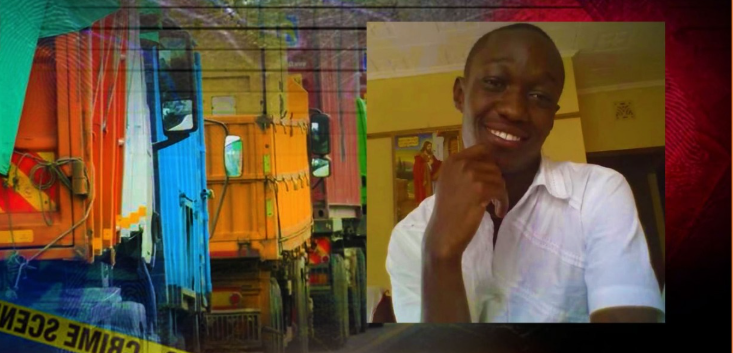
The lawless stretches of eastern Democratic Republic of Congo (DRC) have claimed the life of another Kenyan hero of the road. Edwin Njuguna Ngugi, a dedicated truck driver from Malava, Busia County, was brutally murdered after his vehicle broke down in the volatile Bunia region. Edwin was navigating the treacherous 2,000-kilometer route from the Port of Mombasa, carrying vital cargo, when a mechanical failure left him paralyzed in a known rebel hotspot. In a final, desperate phone call to his cousin in Mombasa, Edwin’s voice betrayed the terror of his situation; he described being stuck in a “bad place,” surrounded by a “thick forest” where locals armed with machetes had already attempted to rob him.
The tragedy is underscored by a staggering betrayal of trust. Edwin had reportedly sought protection from local Congolese soldiers, even paying them to secure his safety while he waited for a replacement truck to transship his cargo. However, it is alleged that once the soldiers had taken his money, they abandoned him under the cover of darkness, leaving him completely exposed. Shortly after, rebels are believed to have ambushed the site, killing Edwin in cold blood before looting the truck. His body was left to decompose in the humid jungle heat for days, a lonely and undignified end for a man who was simply trying to provide for his family back in Kenya.
For the Njuguna family in Malava, the grief is compounded by the traumatic way they discovered the truth. While the Kenyan government and his employers remained silent, fellow truck drivers stumbled upon Edwin’s remains. They took photos of the decomposing body and shared them in a WhatsApp group, hoping someone would recognize the “fallen comrade.” This is how a mother and siblings learned of their loved one’s fate—not through a dignified official visit, but through harrowing viral images on a smartphone screen.
Now, ten days after his murder, Edwin’s body lies in the Bunia Main Hospital mortuary, while his truck remains a shell at the scene of the crime. His mother, speaking through tears, has revealed a new layer of psychological torture: Congolese authorities have been pressuring the family to give consent for a local burial, citing the state of the remains. But for this Busia family, a burial in a foreign, hostile land is unacceptable. They are pleading for the Kenyan government to step in and facilitate the repatriation of his body so he can be laid to rest in the soil of his ancestors.
Edwin’s death highlights the extreme risks faced by Kenyan drivers who are the literal engines of East African trade. Despite the high taxes and fees paid to transit through the DRC, security remains a mirage. The family’s plea is a direct challenge to the Ministry of Foreign Affairs: how many more Kenyans must rot in foreign jungles before the state takes the safety of its citizens across borders seriously? As the Njuguna family waits in an agonizing limbo in Malava, the silence from Nairobi is deafening. They do not have the millions of shillings required for private repatriation, leaving them entirely dependent on a government that has yet to acknowledge their son’s sacrifice.