Debate Rages Over Ruto’s Frequent Foreign Trips Amid Rising Domestic Challenges

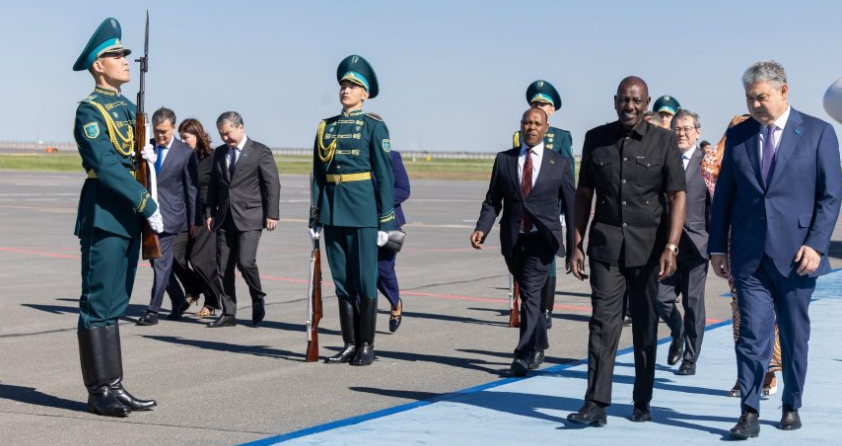
President William Ruto’s frequent international travels have once again become the subject of intense public debate, with critics questioning whether the benefits of his overseas engagements justify the costs at a time when many Kenyans are grappling with economic hardships and mounting domestic concerns.
The debate has resurfaced as the Head of State embarks on another extended diplomatic tour that will see him spend more than two weeks outside the country. The trip began with a three-day state visit to South Africa, where he is expected to hold bilateral talks aimed at strengthening trade, investment, and regional cooperation between Nairobi and Pretoria.
Following the South African visit, President Ruto is scheduled to travel to Belgium for diplomatic engagements with King Philippe before proceeding to Finland for a historic state visit. He will then head to France to participate in high-level international meetings, including the G7 Summit, where global leaders are expected to discuss economic growth, security, climate change, and international cooperation.
While government officials argue that such trips are crucial for attracting foreign investment, strengthening diplomatic relations, opening new markets, and positioning Kenya as a key player on the global stage, critics contend that the frequency and cost of the travels are becoming increasingly difficult to justify.
The latest trip comes against the backdrop of several pressing issues at home. Kenyans continue to express concerns over rising fuel prices, the high cost of living, the controversial Finance Bill, and the ongoing debate surrounding the proposed Ebola quarantine facility in Laikipia. Opposition leaders and government critics argue that many citizens feel abandoned when major domestic challenges dominate national conversation while the President is abroad.
Questions have also been raised about the financial cost of presidential travel. Critics point to reports indicating that government expenditure on both domestic and international travel has continued to rise in recent years. Some have particularly questioned the use of chartered aircraft for certain foreign trips, arguing that the government should demonstrate greater fiscal restraint at a time when citizens are being asked to tighten their belts.
According to available data, President Ruto has become one of Kenya’s most internationally active leaders. During his first years in office, he undertook dozens of foreign visits across Africa, Europe, Asia, the Middle East, and the Americas. Supporters argue that these engagements have helped secure investment commitments, strengthen bilateral partnerships, and enhance Kenya’s profile in global affairs.
The government has consistently defended the President’s travel schedule, maintaining that international diplomacy is an essential part of modern leadership. Officials argue that many of the agreements signed during these visits have the potential to generate jobs, attract investment, boost exports, and create long-term economic opportunities for Kenyans.
However, political analysts note that perception often matters as much as policy. With many Kenyans struggling with economic pressures, images of the President attending international meetings while domestic frustrations continue to grow have become a potent talking point for critics and opposition figures.
Supporters of the President counter that leadership requires balancing both domestic responsibilities and international engagement. They argue that Kenya cannot afford to isolate itself from global conversations, especially at a time when international partnerships are increasingly important for economic growth and development.
As President Ruto continues his latest diplomatic mission, the debate over his travel agenda is unlikely to fade. For supporters, the trips represent strategic investments in Kenya’s future. For critics, they raise legitimate questions about priorities, costs, and the immediate concerns facing ordinary citizens.
Ultimately, the political question remains whether Kenyans will remember William Ruto as a leader who successfully elevated Kenya’s global influence or as a president whose extensive travels became a source of controversy during a period of significant domestic challenges.