Ruto Reassigns Education PS Julius Bitok Amid Worsening School Unrest

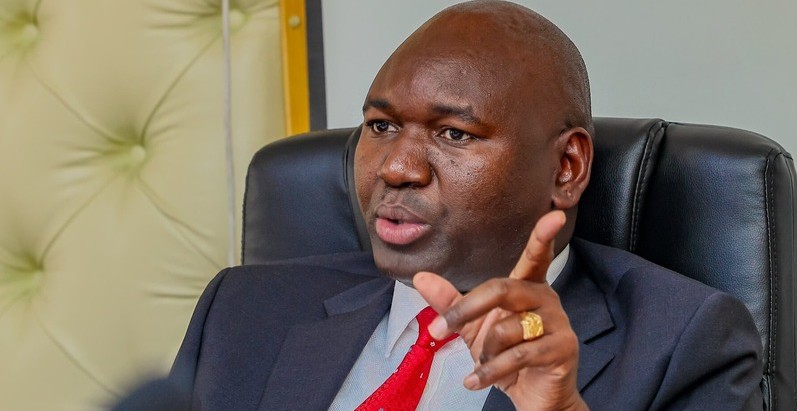
President William Ruto has reassigned Basic Education Principal Secretary Julius Bitok to the State Department for Tourism in a surprise government reshuffle that comes amid growing concern over widespread unrest in secondary schools across the country.
Under the changes announced by the government, Tourism Principal Secretary John Ololtua will now take over the Basic Education docket, placing him at the center of efforts to address one of the most serious challenges currently facing Kenya’s education sector. The reshuffle comes at a time when more than 60 schools have been temporarily closed following a wave of unrest that has disrupted learning in several counties.
The transfer has immediately sparked speculation about whether the ongoing school crisis influenced the government’s decision. Although officials have not directly linked the reshuffle to the unrest, the timing has raised questions among education stakeholders, parents, and political observers.
Before his reassignment, Bitok had sought to reassure parents and learners that the situation remained under control despite the disturbances being reported in different parts of the country. He maintained that the vast majority of schools remained safe and operational, arguing that the affected institutions represented only a small fraction of the country’s learning institutions.
His departure, however, comes as pressure continues to mount on the Ministry of Education following a series of student unrest incidents that have led to school closures, destruction of property, and growing concerns over learner safety. The unrest intensified in the aftermath of the tragic Utumishi Girls Academy fire in Gilgil, which claimed the lives of 16 students and triggered renewed debate about student welfare, school management, and safety standards.
Meanwhile, the school crisis has become a major national security concern. During a meeting of the National Security Advisory Committee, government officials discussed measures aimed at restoring stability in schools and preventing further incidents. The committee directed the Ministry of Education to develop mechanisms for enhanced stakeholder engagement and proposals to improve service delivery and safety within learning institutions.
Deputy President Kithure Kindiki emphasized that the government would not tolerate criminal activities such as arson, destruction of property, or actions that endanger the lives of students and staff. He maintained that while a majority of schools continue operating normally, authorities remain vigilant and are closely monitoring the situation.
Government officials have also indicated that decisions to temporarily close schools are being made on a case-by-case basis by individual school administrations based on prevailing security assessments. The approach is intended to ensure that school leaders can respond appropriately to emerging threats while safeguarding learners.
However, some education stakeholders and local leaders have called for broader interventions. In regions such as Kakamega County, where several schools have already been affected, some leaders have suggested allowing students to return home briefly to ease tensions and create space for dialogue between learners, teachers, parents, and school administrators.
Education experts argue that the crisis has exposed deeper challenges within the sector, including concerns about student mental health, guidance and counseling programmes, discipline management, and the pressures associated with ongoing curriculum reforms. Many are calling for a comprehensive review of how schools address learner grievances before they escalate into unrest.
For John Ololtua, the incoming Basic Education Principal Secretary, the assignment presents an immediate and significant challenge. He takes charge of the docket at a time when parents, teachers, and students are demanding answers and solutions to a crisis that threatens to disrupt learning nationwide.
As the government moves to contain the unrest and restore normalcy, attention will now focus on whether the leadership changes at the Ministry of Education can help calm tensions, rebuild confidence among stakeholders, and prevent further disruptions in schools across the country.
With dozens of institutions already affected and concerns continuing to grow, the reshuffle marks a critical moment for Kenya’s education sector as authorities seek lasting solutions to one of the most serious school crises in recent years.