Finance Bill 2026 Sparks Uproar Over Proposed Mobile Phone Tax Hike


The Finance Bill 2026 has come under intense scrutiny following a controversial proposal to increase excise duty on mobile phones, a move that critics warn could significantly raise the cost of devices and undermine efforts to expand digital access across the country.
Under the proposed changes, the government plans to increase excise duty on mobile phones from 10 percent to 25 percent. The proposal has triggered concern among tax experts, economists, industry players, and consumer groups who argue that the measure could make mobile devices less affordable at a time when digital connectivity is becoming increasingly essential for education, business, financial services, and access to government programs.
A major source of concern is the bill’s provision that the excise duty will become payable at the point of phone activation rather than during importation or manufacturing. Experts argue that the wording of the proposal is unclear and creates uncertainty over who will ultimately be responsible for collecting and remitting the tax.
Questions remain over whether the obligation would fall on importers, manufacturers, retailers, mobile network operators, or consumers themselves. Critics say this ambiguity could create confusion within the market and complicate tax administration.
Tax analysts have also warned that the proposed changes could substantially increase the overall tax burden on mobile devices. They note that imported phones already attract a range of taxes and levies, including value-added tax (VAT), import declaration fees, railway development levy charges, and import duties. Adding a higher excise tax could further inflate prices for consumers.
According to some experts, when all applicable taxes and levies are combined, the effective tax burden on certain devices could become significantly higher than many consumers realize. This, they argue, risks placing smartphones and other mobile devices beyond the reach of many low-income households.
The proposal has also sparked concerns about its impact on Kenya’s digital inclusion agenda. Over the past decade, mobile phones have become the primary gateway to banking services, online education, digital commerce, healthcare information, and government services. Analysts warn that making devices more expensive could slow progress toward universal digital access.
Industry stakeholders have further questioned how the proposal would affect locally assembled phones. Some analysts argue that the tax structure could unintentionally make locally assembled devices more expensive than imported alternatives, potentially undermining government efforts to promote local manufacturing and industrial growth.
Others fear the higher tax burden could push consumers toward informal markets, second-hand devices, or unregulated channels in search of cheaper alternatives. Such a shift, they argue, could reduce tax compliance while exposing consumers to counterfeit or substandard products.
The proposal has prompted calls from tax consultants and financial experts for the provision to be withdrawn entirely from the Finance Bill. They argue that the measure creates unnecessary uncertainty, conflicts with existing excise tax administration principles, and could ultimately hurt both consumers and the telecommunications sector.
Despite the criticism, Treasury Cabinet Secretary John Mbadi has defended the proposal, arguing that the changes are intended to simplify the taxation framework for mobile devices. According to the Treasury, shifting taxation to the activation stage would streamline the system and reduce complexities associated with multiple charges imposed at different stages of the supply chain.
Mbadi has maintained that the revised structure could eventually lower costs by replacing certain existing charges with a single excise duty collected at activation. However, critics remain unconvinced, pointing out that the figures presented so far suggest consumers could still end up paying more for devices.
The Institute of Certified Public Accountants of Kenya (ICPAK) has also weighed in on the debate, noting that while activation-based taxation may enhance compliance monitoring and help combat illicit trade, it represents a significant departure from traditional excise tax administration practices.
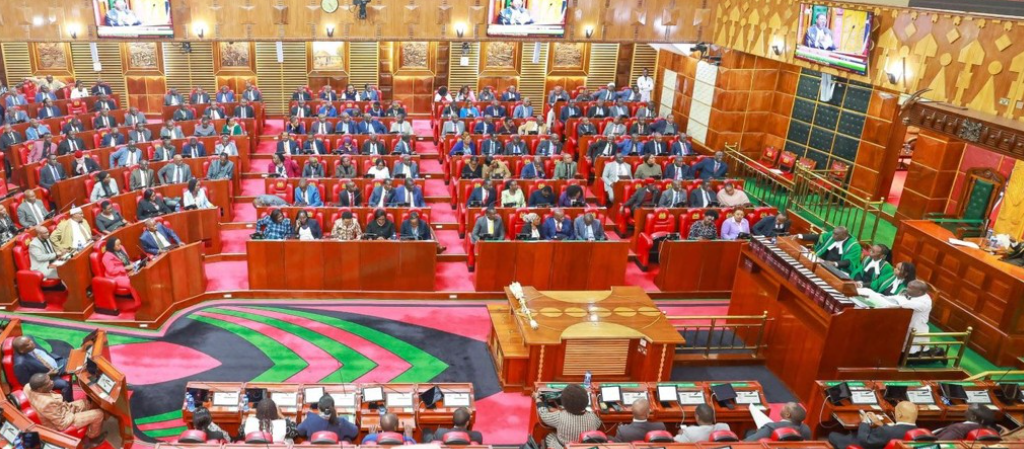
The controversy is likely to feature prominently during parliamentary debates on the Finance Bill 2026, with lawmakers expected to face pressure from consumers, businesses, and industry stakeholders seeking amendments to the proposal.
As the debate intensifies, the mobile phone tax has emerged as one of the most contentious provisions in the Finance Bill, highlighting the broader tension between government revenue-raising efforts and concerns about affordability, digital inclusion, and economic growth.
For millions of Kenyans who rely on mobile phones for everyday life, the outcome of the debate could have a direct impact on the future cost of staying connected in an increasingly digital economy.