MPs Clash Over Mobile Phone and Mitumba Tax Proposals

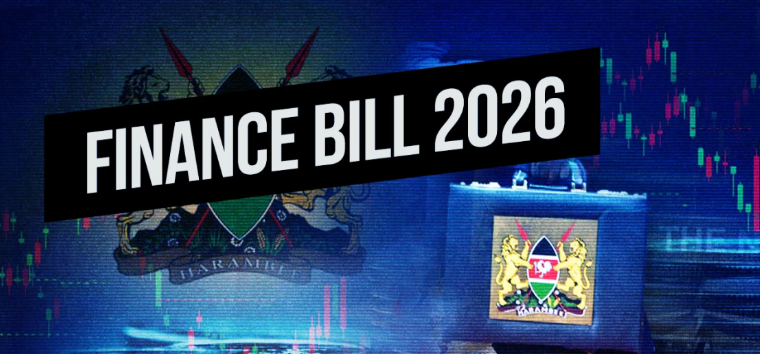
A fierce political battle is unfolding in Parliament as opposition lawmakers vow to push for major amendments to the Finance Bill 2026, arguing that several proposals contained in the legislation will increase the financial burden on ordinary Kenyans.
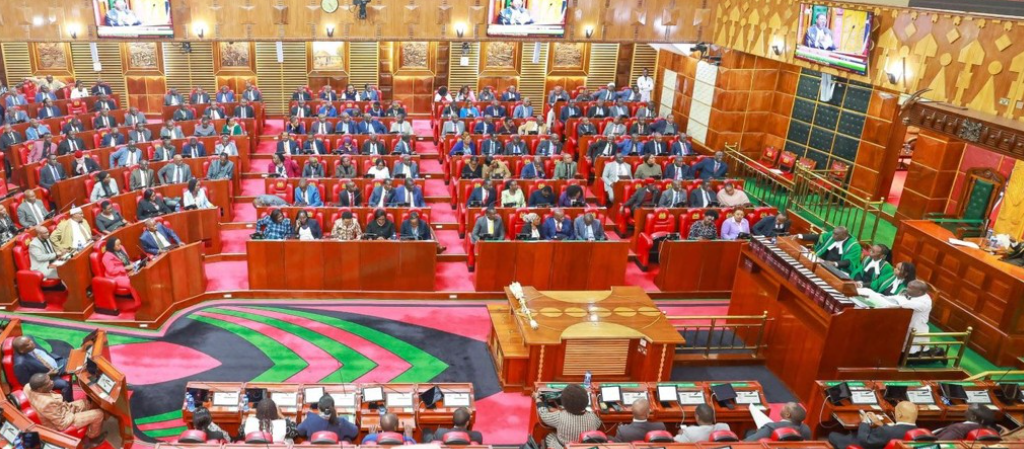
The debate, which entered its second consecutive day amid heated exchanges in the National Assembly, saw legislators clash over what the opposition describes as punitive taxation measures affecting consumers, tenants, and small businesses.
At the center of the dispute are proposals touching on taxation related to mobile phones, imported second-hand clothes, commonly known as mitumba, and rental income. Opposition MPs argue that while some of the provisions may appear technical, their effect will ultimately be passed down to consumers through higher prices and increased living costs.
Several lawmakers expressed concern that the proposed tax measures could hurt low-income earners who depend on affordable second-hand clothing and mobile devices for daily communication, business, and access to digital services.
The opposition also raised concerns over provisions affecting non-resident landlords, warning that any increase in tax obligations could result in higher rental costs for tenants as property owners seek to recover additional expenses.
Government-allied legislators, however, dismissed the criticism as political propaganda, insisting that no new taxes have been introduced to burden Kenyans. They argued that much of the information circulating publicly about the Finance Bill is inaccurate and designed to create unnecessary fear among citizens.
Supporters of the bill maintained that there is no increase in taxation on rental income and denied claims that new taxes have been imposed on mitumba traders. According to government lawmakers, existing tax mechanisms are merely being clarified and strengthened to improve compliance and revenue collection.
The debate became increasingly tense as legislators repeatedly interrupted each other, forcing the Speaker to call for order several times. Despite the disagreements, the National Assembly approved the motion for the Finance Bill 2026 to proceed to the next stage of consideration.
Attention now shifts to the Committee of the Whole House stage, widely regarded as the most critical phase of the legislative process. During this stage, Members of Parliament will scrutinize the bill clause by clause and introduce amendments for debate and voting.
Opposition MPs have already signaled that they will table amendments aimed at removing provisions related to mobile phone taxation and second-hand clothing taxes. They are also expected to push for tax relief measures, including proposals designed to benefit low-income earners.
The coming days are expected to witness intense lobbying and political maneuvering as both sides seek to rally support for their positions. With the Finance Bill playing a central role in funding the government’s budget for the 2026/2027 financial year, the outcome of the parliamentary battle could have significant implications for taxpayers, businesses, and the broader economy.
As lawmakers prepare for the clause-by-clause showdown, Kenyans will be closely watching to see whether Parliament approves the contentious provisions or bows to growing pressure to amend them.