Security Alarm as Rogue Network Allegedly Sells Kenyan IDs and Passports to Foreigners

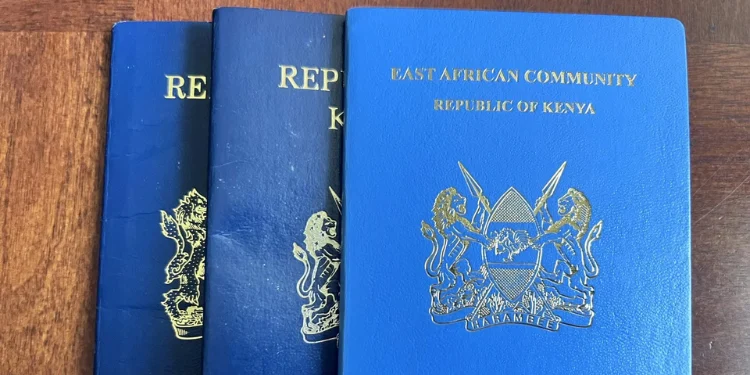
Kenya could be facing one of the most serious national security challenges in recent years following explosive allegations that foreign nationals are obtaining Kenyan identity cards and passports through well-organized networks operating within and outside government institutions.
An investigation by The Standard claims to have uncovered an elaborate syndicate involving rogue officials in registration and immigration offices who allegedly facilitate the acquisition of Kenyan identity documents by foreigners in exchange for bribes.
According to the investigation, individuals from neighboring countries, including Somalia, Ethiopia, Burundi and Uganda, are allegedly obtaining Kenyan birth certificates, national identity cards and passports without undergoing the strict verification processes required by law.
The report alleges that the illegal process can cost as little as Sh15,000, raising concerns about the integrity of Kenya’s identity management systems and the potential risks posed to national security.
Under normal circumstances, acquiring a Kenyan identity card requires applicants to provide proof of citizenship and undergo verification by relevant authorities. However, the investigation claims that corrupt networks have found ways to bypass these safeguards through bribery, document manipulation and collusion with officials tasked with protecting the integrity of the registration system.
Security experts have long warned that weaknesses in national identification systems can create opportunities for criminal networks, human traffickers, terrorists and other transnational criminal organizations to operate undetected.
The allegations are likely to intensify calls for reforms within the National Registration Bureau and the Immigration Department, with critics demanding stricter oversight, enhanced vetting procedures and greater accountability for officials found engaging in corrupt practices.
The investigation further raises questions about how many illegally acquired identity documents may already be in circulation and whether existing systems are capable of detecting fraudulent registrations that may have occurred over several years.
If confirmed, the allegations could have far-reaching implications not only for national security but also for electoral integrity, public service delivery, border management and law enforcement operations.
The revelations are expected to spark fresh debate about corruption within public institutions and the urgent need to protect Kenya’s citizenship and identity registration processes from abuse.
As pressure mounts, attention is likely to turn to government agencies responsible for registration and immigration services, with Kenyans demanding answers on the extent of the alleged network and the measures being taken to dismantle it.
The claims contained in the investigation are likely to trigger calls for comprehensive audits, criminal investigations and policy reforms aimed at restoring public confidence in one of the country’s most critical governance systems.